Posts

Is purchasing furniture really as easy as it seems? Do you actually know what to look for when buying furniture for your home?

That is a decision you shouldn’t take lightly. Kitchens, sofas, and bedrooms are all major purchases that can easily cost several thousand dollars.

Buying furniture for your home is exciting, but it can also feel a little overwhelming. As mentioned before, you know you’re about to make a significant investment, and you want to be sure you’re making the right choices.

So here are some tips to keep in mind, along with the questions you should ask yourself when it’s time to take action.

LIVING ROOM

SOFA

The sofa is undoubtedly one of the biggest and most expensive pieces in this room, so let’s look at what you should consider:

– It needs to be sturdy

Sofas with a solid wood frame are ideal because they’re strong and long-lasting.

Yes, this usually increases the price, but it’s actually the best choice you can make.

We all know there are very “affordable” sofas out there, but that often comes at the expense of quality and durability.

Replacing a sofa after just a few years is definitely not ideal!

(credit: overstock.com; roomandboard.com)

– It needs to be comfortable

I’ve often met friends or clients who fell in love with a sofa’s design, only to realize later that it was very uncomfortable.

Your sofa should be a place where you can truly relax!

One helpful detail to check: ask whether the sofa has coil springs or serpentine springs.

Coil springs tend to be more durable and comfortable because they’re much more elastic.

(credit: yirilom.com; pinterest)

– Pay attention to the padding

Most sofa cushions use high-resilience polyurethane foam.

It’s a durable and easy-to-maintain material, but pay close attention to its density.

If the foam is too thick, the sofa will feel too firm; if it’s not dense enough, it will sink too much.

A quick note on density: polyurethane foam contains tiny air bubbles—the more bubbles, the denser the material.

For sofa seats, it’s paramount to find the right balance between density and weight support. A good medium density usually falls around 30–40.

For backrests, which don’t need to support as much weight, a lower density can work just fine.

(credit: puresaltinteriors.com; bassettfurniture.com)

– Choose the upholstery

Cotton, linen, and leather are classic sofa coverings and are very durable.

Synthetic materials such as microfiber are easy to clean and maintain.

If you have kids or pets, microfiber might be the best solution due to its practicality.

– Pay attention to the dimensions

The sofa must be proportional to the room: one that’s too large will overwhelm the space, while one that’s too small will get lost.

Also, make sure to consider every passage the sofa needs to go through to get inside—not just doors and windows, but also hallways and staircases!

ARMCHAIR / EXTRA SEATING

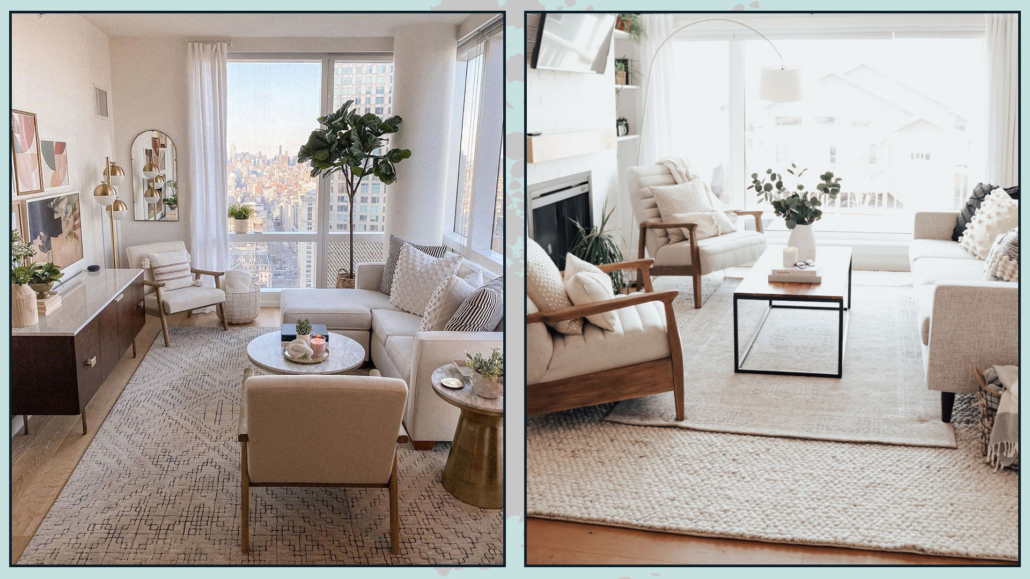
Adding an armchair or extra seating near the sofa instantly adds style to the room, making it a worthwhile investment.

This piece can match the sofa perfectly (a classic armchair that feels like a natural extension), or it can contrast with it, adding rhythm and visual interest.

When choosing a contrasting seat, pay close attention to style, materials, and all those small details that truly make a difference.

(credit: beliani.it; artesanosdesign.com)

COFFEE TABLE

A coffee table should be proportionate to the sofa, slightly lower than the seat height, and placed at a distance of approximately 40–50 cm (16–20 inches)

(credit: Pinterest)

Material choice should reflect the overall style of your home.

One tip: avoid glass if you have children!

As for shape, it’s best to follow the room’s layout:

– in a rectangular room, rectangular or oval tables work best;

in a square room, square or round tables are ideal.

Round tables have a huge advantage, especially in small spaces, because they allow for smoother movement around them.

(credit: vivadecora.com.br; robadadonne.it)

BEDROOM

BED

One of the principal elements to consider is the mattress.

It needs to be extremely comfortable so you can truly relax and enjoy restorative sleep.

(Fun fact: you spend about one-third of your life on a mattress!)

When it comes to the bed itself, don’t focus only on shape and style.

The bed base is just as important: even the best mattress will lose some of its benefits if placed on a poor-quality base.

Slatted bases are usually the best option, especially those with flexible, curved slats rather than rigid ones.

Some slats support different weight loads.

(credit: coppel.com; duomodesign.it)

Pay attention to height!

The bed base raises the mattress, and one should choose its height based on the mattress thickness so you can get in and out of bed comfortably.

There’s no single “ideal” height—it depends on your height, age, and even your health.

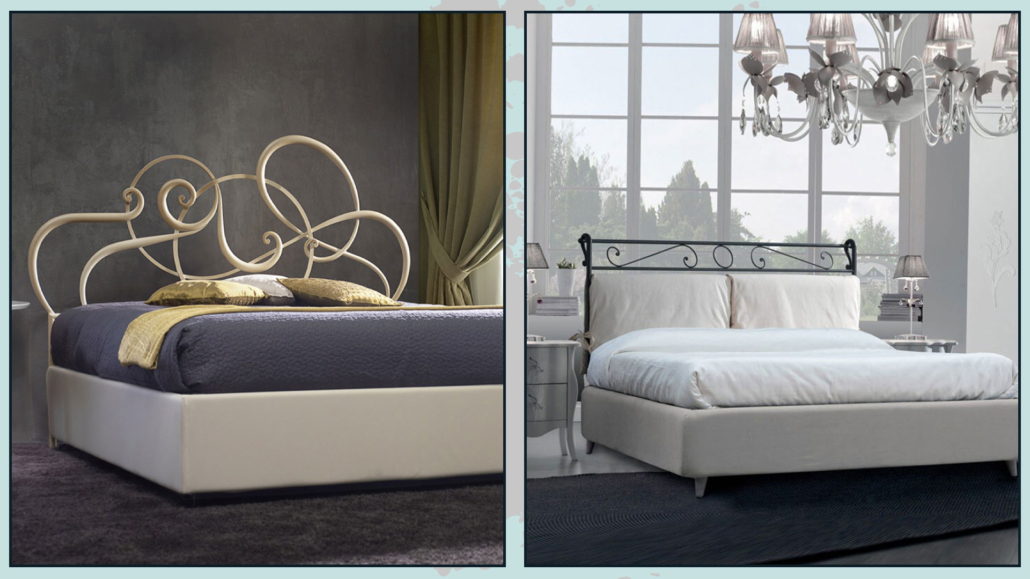
In terms of style, consider the overall look and atmosphere of the room.

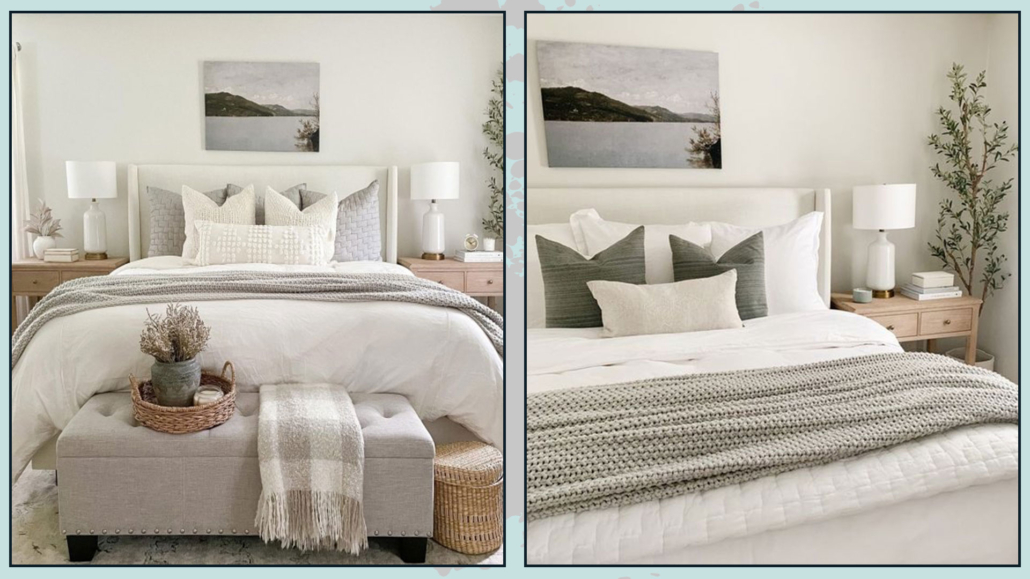
As always, the bed can either coordinate with the rest of the furniture or become a contrasting statement piece.

Start with your color palette and wall color.

From there, decide whether you want a tone-on-tone look, a soft contrast, or a bolder one.

For materials—wood, metal, or upholstered—also think about ease of cleaning.

(credit: duomodesign.it; Tatiana Gedike; duomodesign.it)

WARDROBE AND NIGHTSTANDS

Just like with the bed, your wardrobe, nightstands (and any dresser) don’t have to match perfectly.

Matching everything is a safe choice, but it might not fully represent your personality.

Mixing different pieces creates rhythm and movement, making the space feel more dynamic.

(credit: ourhouseofmodesty.nl; Ikea)

DINING ROOM

The table is the true star of the dining area, so focus on its style and materials.

A glass table feels very formal and has the advantage of reflecting light, which is excellent for small spaces—but it does require constant cleaning!

Wood, on the other hand, is a durable and timeless choice.

Just like in the bedroom, chairs and table don’t have to be a matching set.

Mixing is also an option here.

If you choose wooden chairs, you can either keep them in a similar tone for a cohesive look or go for a strong contrast.

(credit: decorqeeny; thenordroom.com)

KITCHEN

My first piece of advice is to start with the appliances, since they usually have the highest impact on the budget:

– Built-in or freestanding refrigerator?

– Type and size of the oven

– Size and type of the cooktop

– Type and size of the sink (not an appliance, but there are many options, and it highly affects usability)

– Dishwasher: yes or no? 24-inch or 18-inch? Built-in or not?

Choose appliances that match your kitchen habits. (I talk about this in an interview with Chef Patty Smit)

Once you find the best appliances for your needs, choose their finish. White, black, stainless steel, and more.

The right choice depends on your home’s style.

Once the appliances are selected, you can design the rest of the kitchen around them.

(credit: Marmoraria Felcon)

MORE…

Of course, you’ll need to consider your budget, but one thing I truly recommend is this: buy what you love.

If you’ve fallen in love with a piece and can’t stop thinking about it, go for it!

If you know you’re investing in something that’s both beautiful and long-lasting, you’ll be happy in the end.

Remember: spending less can sometimes mean spending more.

Choosing a cheaper, lower-quality option may force you to replace it sooner, ultimately costing you more.

Start with the essential pieces, and don’t be afraid to buy things little by little.

I hope you found this article on what to look for when buying furniture for your home helpful!

If you did, I’d love to hear from you—drop me a comment and let me know.

If you think someone else might enjoy it, I’d be truly honored if you shared it with them.

And if you still have questions or would like some personalized advice, don’t hesitate to get in touch—I’d be happy to help!

How to choose the right wall art for your home?

It’s a question I often get from my clients.

Wall art helps you express your style and personality — but how do you choose the right pieces?

Let’s go through three simple steps to do it right!

1 – EVALUATE THE AVAILABLE SPACE

The very first thing to do is decide which wall you want to decorate.

In each room, look around and figure out where you’d like to hang something.

Once you’ve picked the area, you need to decide what kind of layout works best for that wall.

Here’s what I mean: some walls look great with a single large piece, while others are perfect for a gallery-style arrangement!

After that, think about the size — it doesn’t have to be exact for now. Just eyeball it to get a rough idea.

2 – EXPLORE AND SELECT

Nowadays, you can find almost anything online — many stores have a website, and there are plenty of great e-commerce sites with beautiful prints: Etsy, Posterstore, Desenio, and even Amazon!


So, browse around and start saving your favorites.

You’ll see, it’s actually enjoyable!

Once you have your list, organize it by room.

Go through each room and scroll through the saved images on your phone.

You’ll quickly notice which ones feel right with your existing décor.

Do this in natural daylight — it helps you get a more accurate idea of how everything will look in real life.

This step acts as an initial filter: you’ll easily spot which pieces don’t quite fit, and which ones immediately make sense.

And don’t worry if one print feels right for more than one room — that’s perfectly fine at this stage.

You’re still brainstorming!

A STEP FURTHER

Now, print out the images you really like.

On the back, write down the size you envision for each piece.

If one print could work in several rooms, note that instead of printing it twice.

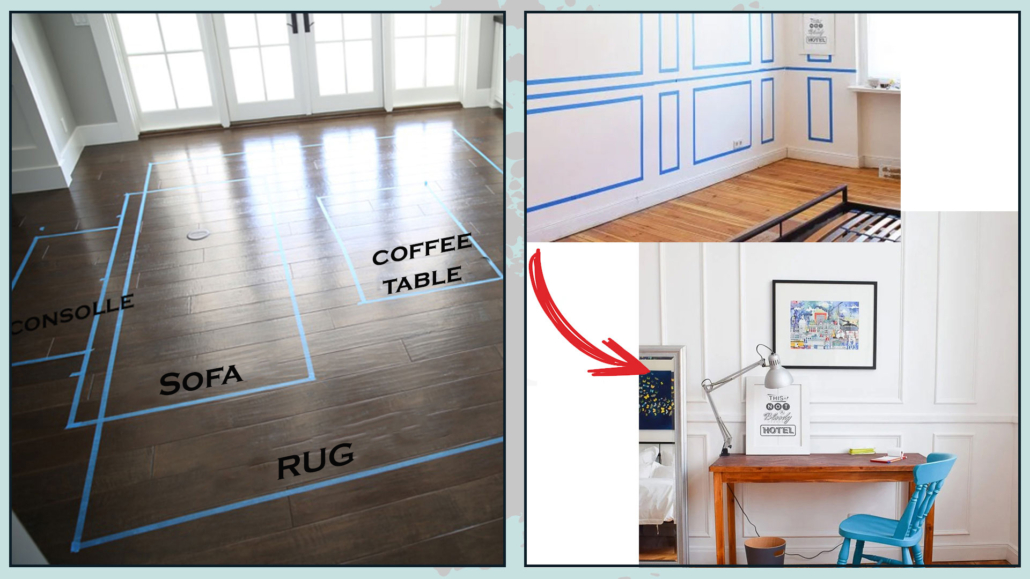
Then, grab some painter’s tape and stick your printouts on the wall where you think they might go.

Step back, take a look, and trust your first impression — it’s usually correct.

If something clearly doesn’t work, take it down and move on.

If you’re unsure, try swapping positions, take a few photos, and compare later.

Sometimes, stepping away and coming back with fresh eyes makes all the difference.

Even for the ones you love, keep the paper versions on the wall for a few days.

You’ll see if it’s a sincere match or just the excitement of the moment.

But remember — give yourself a deadline!

Otherwise, you might end up with blank walls forever.

Quick tip: make sure your wall art complements your home’s color palette.

It can stand out through contrast or an accent color, but it still needs to feel connected to the rest of your space.

3 – TAKE FINAL MEASUREMENTS

Now it’s time to make it real!

Once you’ve chosen your prints, check which available size best matches what you had in mind earlier.

Cut out a piece of paper or cardboard to that size and tape it to the wall with painter’s tape.

This simple trick helps you see if the proportions work — not only for the wall but also with nearby furniture.

It works whether you’re hanging a single piece or creating a gallery wall with multiple frames.

Place the printed image in the center of your paper or cardboard mock-up.

This way, you can clearly visualize the full effect before making any purchases.

And when you see the final result, trust your instinct:

– if something feels off, experiment — swap pieces between rooms or adjust the size;

– if it makes you smile immediately, you’ve nailed it!

Go ahead and order with confidence — you won’t regret it once it’s on the wall.

I hope these three steps helped you see more clearly how to choose the right wall art for your home.

And if you already have some pieces but aren’t sure how to arrange them, I explain it all in this video!

If you’d like to share it with someone who might find it interesting, I’d be grateful.

And of course, if you need help choosing or styling any space in your home, don’t hesitate to reach out — I’d be happy to help!

DECORATE SURFACES? HERE’S HOW TO DO IT!

A few weeks ago, we explored how to style a bookshelf (see the article here and the video here).

Today, I’d like to show you how to decorate other surfaces in your home, like the coffee table, nightstands, consoles, and more!

Styling the various surfaces in your home with care helps create an elegant and refined atmosphere.

Let’s start with some general tips and tricks, then look at how to apply them to each surface.

There are no strict rules, but these guidelines will help you create compositions that are well-balanced every time.

9 TIPS TO DECORATE SURFACES

– THE RULE OF THREE: THREE IS THE PERFECT!

The rule of three means grouping objects in groups of three or other odd quantities.

Compositions of three are more dynamic than pairs; they create rhythm and movement.

With two objects, the eye tends to move back and forth, but with three, there are more possibilities for movement, making the arrangement more interesting!

Arranging items in groups of three gives the impression of a thoughtfully designed composition rather than random placement.

Keep in mind that grouping by three doesn’t just mean placing three different objects together.

Similar objects stacked or placed close together are considered a single unit.

(credits: Hudson Home; theposterclub.com)

To create a proper composition, the objects should be distinct in the two ways explained in the following points.

– USE DIFFERENT HEIGHTS AND WIDTHS

Create arrangements where the three objects vary in height and/or width to generate visual interest.

When objects are too similar, they blend and fail to attract attention.

By varying their heights and widths, you allow the eye to notice each piece and focus on what’s beautiful and valuable.

(credits: Hudson Home; theposterclub.com; durangoboots.com)

– USE DIFFERENT SIZES, SHAPES, TEXTURES, AND FINISHES

Just like with height and width, using a mix of shapes and finishes helps draw the eye through contrast.

Try placing something shiny next to something matte, something larger beside something smaller, or something rough next to something smooth.

As mentioned earlier, it’s all about contrast—if everything looks the same, nothing will stand out.

(credits: crateandbarrel.com; bobbyberk.com; studio-mcgee.com)

– USE COLOR

Assuming you’ve created a color palette for your home, your decorative arrangements should follow it too!

You can stick to similar tones for a monochromatic look, or play with contrast by choosing objects in bolder shades.

Don’t forget to consider the surface where you’re placing your items—that’s a color too!

Start from the base and decide whether to go with coordinating tones or contrasting ones.

For instance, if the surface is light, you might choose light-colored items for a tone-on-tone effect, or darker ones to create contrast (and vice versa).

As for accent colors, remember they’re called accents for a reason—so use them sparingly!


(credits: mariangelavaralli.com; studio-mcgee.com; decorgan.com)

– USE TRAYS

It’s a trend that’s becoming more and more popular, especially in the U.S., and you’ve probably seen it all over Pinterest.

But why use a tray?

First, if you choose the right one, it can be a beautiful decorative element.

Plus, a tray helps define the space of your arrangement, making everything look neat, organized, and intentional.

(credits: amazon.it; Farmhouse Hub; pinterest.com)

– PAY ATTENTION TO DIFFERENT ANGLES

Your arrangement should look good from every angle!

Take picture frames, for instance: they work best when placed against a wall.

Why? Because the back side isn’t exactly the nicest thing to look at!

When you put a frame on a console table or inside a bookcase, you see only the front, so you notice the photo and the frame itself.

But it wouldn’t be the best choice for a coffee table, where your composition is visible from all sides.

(credits: Gladys Paulino; Scout & Nimble)

– USE PLANTS AND FLOWERS!

You’ve probably heard me say this a million times: bringing a touch of nature into your home is essential!

And that goes for styling surfaces, too—plants and flowers instantly add elegance and charm.

You can use a vase of flowers, a single leaf in a bottle, or a small succulent—what matters is adding a touch of nature into the arrangement.

Of course, you don’t need greenery in every single arrangement, but since you’ll be decorating several surfaces, be sure to add it here and there.

(credits: cottonhouse.es; thevintagerugshop.com)

– ADD WARMTH WITH CANDLES

As we have seen before, candles—lit or not—bring warmth and a sense of intimacy to any space.

With the right holders, they can also be highly decorative.

You can create an arrangement with candles of different heights, or add one candle to a group of three objects to add a cozy touch.

(credits: westelm.com; blondieinthecity.com)

– DO NOT FORGET SOMETHING PERSONAL

Your home should reflect who you are, so use objects that hold meaning for you when decorating surfaces.

Let your arrangements tell a story—something about your passions, your memories, or what makes you feel at home.

You could also include items that invite interaction, like a photo album or a book opened to a favorite page.

That adds personality and can even spark conversations.

(credits: studiogriffiths.com; chess-site.com)

HOW TO APPLY…

Now that we’ve covered nine general tips for decorating surfaces, let’s get specific!

– COFFEE TABLE

The first thing to consider is the shape of your coffee table.

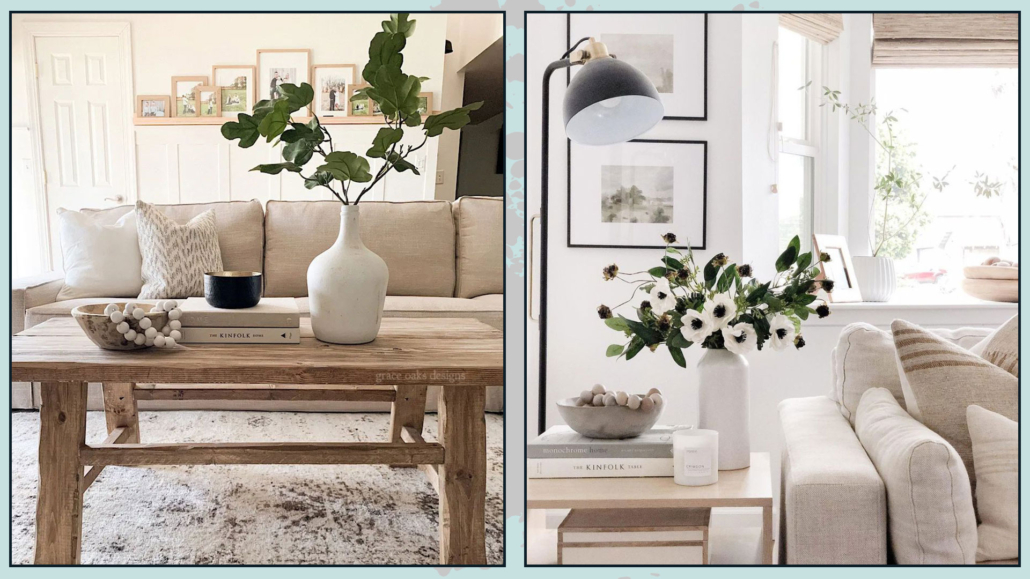
If you have a rectangular table, you can place a nice tray with a composition—of course, grouped in threes—and maybe add a beautiful vase of flowers or a plant next to it.

Your arrangement might include one or two stacked books, a candle, and a vase or another decorative item.

For a round table, it’s important to follow its shape by using a round tray or round vases.

If your table has a glass top and there’s a nice rug underneath, keep the decorations minimal and simple!

You can also switch up your décor with the seasons—fresh flowers and plants in summer, and leaves or pinecones in autumn and winter.

(credits: One Kindesign; homemakers.com; theturquoisehome.com)

– ENTRYWAY CONSOLE OR SHELF

We discussed this in the article (now also in video form): a console or shelf in the entryway is essential because it’s practical.

Having a mirror—either leaning against the wall or hung—is key so you can take a final look before leaving, and guests can quickly check themselves before entering.

You’ll also need a dish or tray to empty your pockets.

If there’s space, adding a lamp is a great idea: lighting is vital, and a table lamp creates a warm atmosphere.

And again, don’t forget to add a touch of nature here!

(credits: Decoist.com; ohmeohmyblog.com)

– NIGHTSANDS

Less is more—especially with nightstands.

The bedroom is for resting, so keep decorations to a minimum.

If you love bedside lamps, start with those, then add other items depending on the available space.

An alarm clock, a book, a small box, a photo—anything you love having close by will work perfectly!

(credits: savoldi.net; blogarredamento.com)

– SIDEBOARD

Decorate the entire surface by creating several small arrangements!

These arrangements should always follow the rules we discussed earlier and, of course, relate to each other, whether through materials or colors.

Another elegant idea is to place two identical lamps at each end for symmetry.

Then hang a painting or mirror in the center, finishing with a central arrangement that can be more or less prominent depending on the lamps and artwork.

Be sure to add some contrast—for instance, pair a wooden sideboard with metal or glass accents.

And if your sideboard is against a low wall, avoid tall items that could obstruct the sightline.

(credits: amazon.com; lighting)

JUST ONE MORE THING…

Before rushing out to buy anything new, try working with what you already have at home.

As I mentioned with the bookshelf, start fresh: clear everything out of each room, lay your items on the floor, and create your arrangements.

Start with the entryway and then move through the rest of the house!

You’ll refresh your space without spending a thing.

I hope you enjoyed this article on how to decorate surfaces and found it helpful.

If so, don’t hesitate to share it with someone you think might be interested; I would be honored, and it will help me gain more visibility.

If you need help with any room in your home, I would be honored to assist you. Book a personalized consultation today.

To decorate a home, a professional follows some concepts I talked about here (you can find the video here)

However, 3 elements are the very basis from which to start decorating your home like a pro would do…

Let’s see together what they are and how to use them at home easily using common things.

1 – EMPHASIS

This element is also known as the focal point.

To create eye-catching spaces, combine bold features with secondary details that still attract attention.

Start by identifying the area or feature you want to highlight.

Here are a few ways to create a focal point:

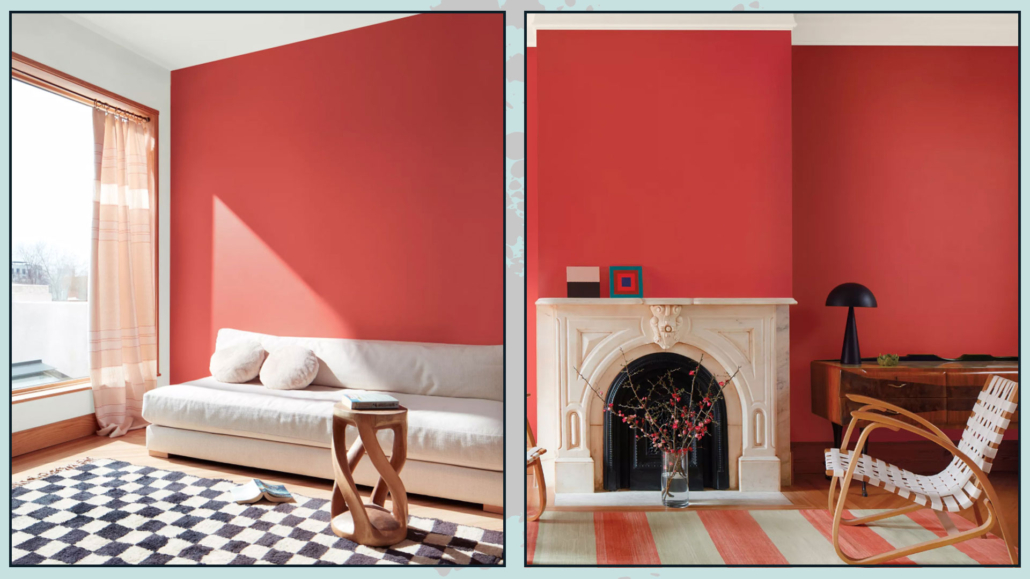
– Use color.

Paint a wall — or even just a portion of it — in a contrasting color.

Make sure to stick to your color palette, but choose a more saturated version of one of your preeminent colors to make it stand out!

(credits: Rugh Design; archimadestudio.com)

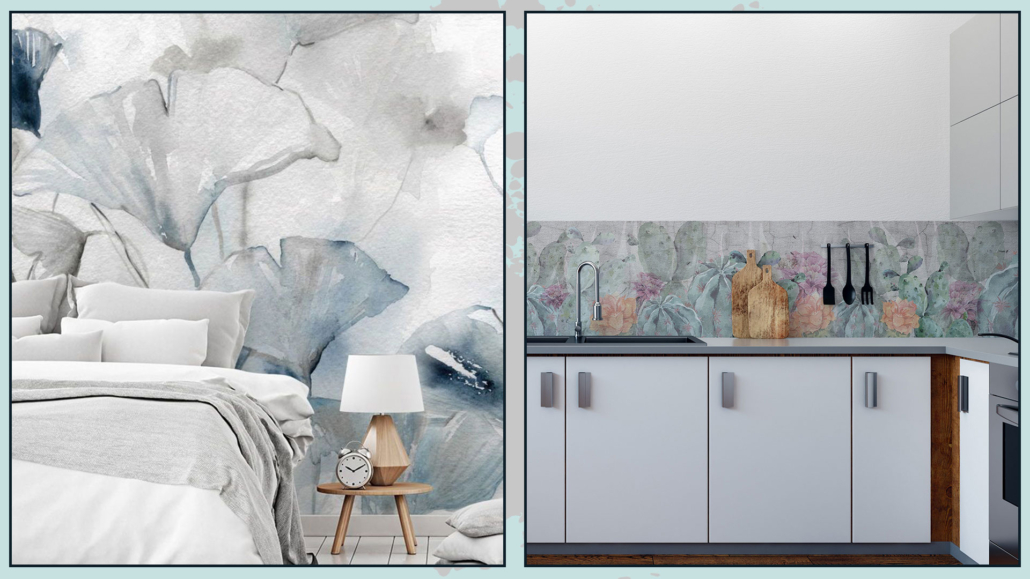
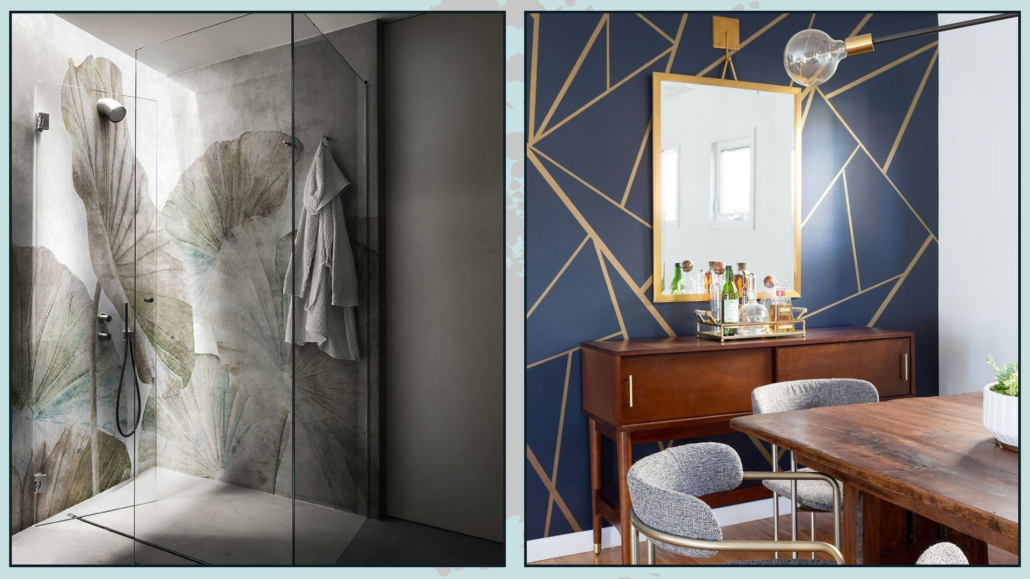
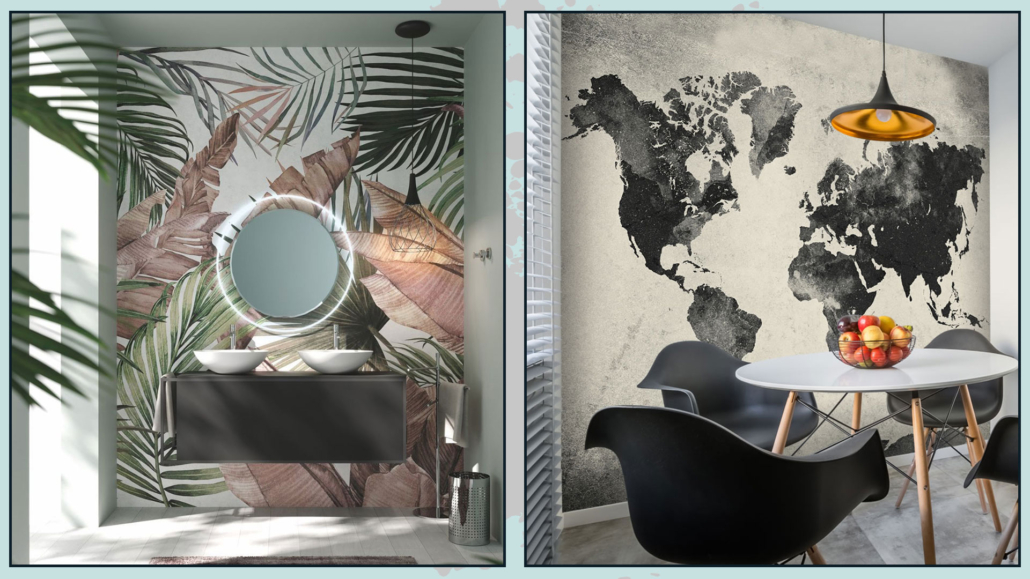
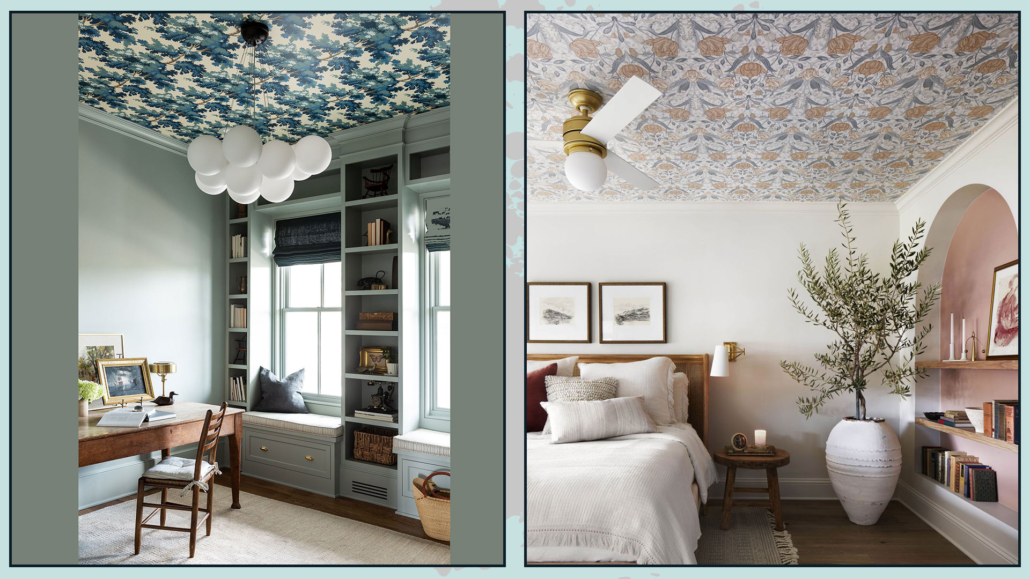
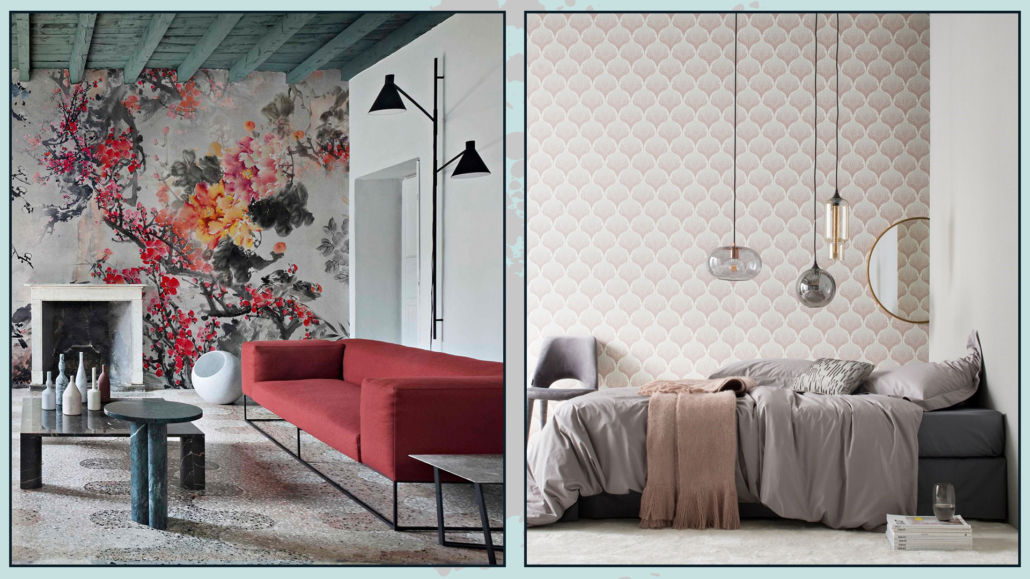
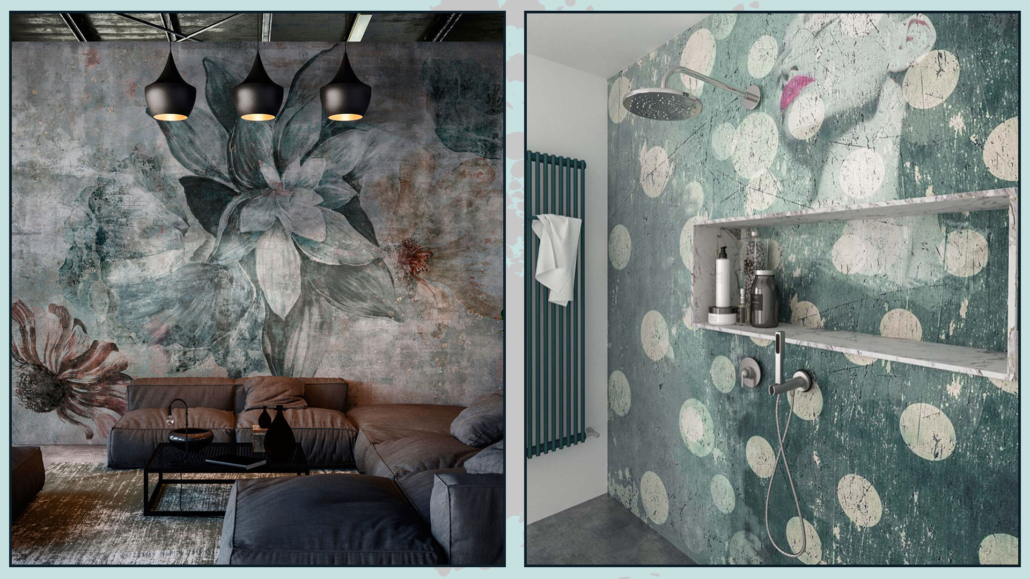
– Use wallpaper.

Wallpaper adds more than just color — it brings texture, depth, and movement.

It creates a bold visual statement that brings a sense of drama to the space.

Geometric patterns or bold prints work incredibly well!

(credits: vivadecora.com; etsy.com)

– Use artwork and mirrors.

Artwork and mirrors are fantastic for drawing attention.

Choose artwork, a gallery wall, or a mirror that fits the wall size and complements the surrounding furniture.

And don’t forget the lighting — a spotlight or two will help make your focal point even more effective.

(credits: pianetadesign.it; etsy.com)

– Use a piece of furniture.

Your focal point doesn’t have to be on a wall!

A designer armchair or a large sofa in a contrasting color can add personality and grab attention.

These pieces draw attention and maintain balance and warmth in the room.

(credits: casaclaudia.abril.com.br; ikea)

2 – COLOR AND PROPORTION (The 60-30-10 Rule)

A color palette should feel harmonious and balanced.

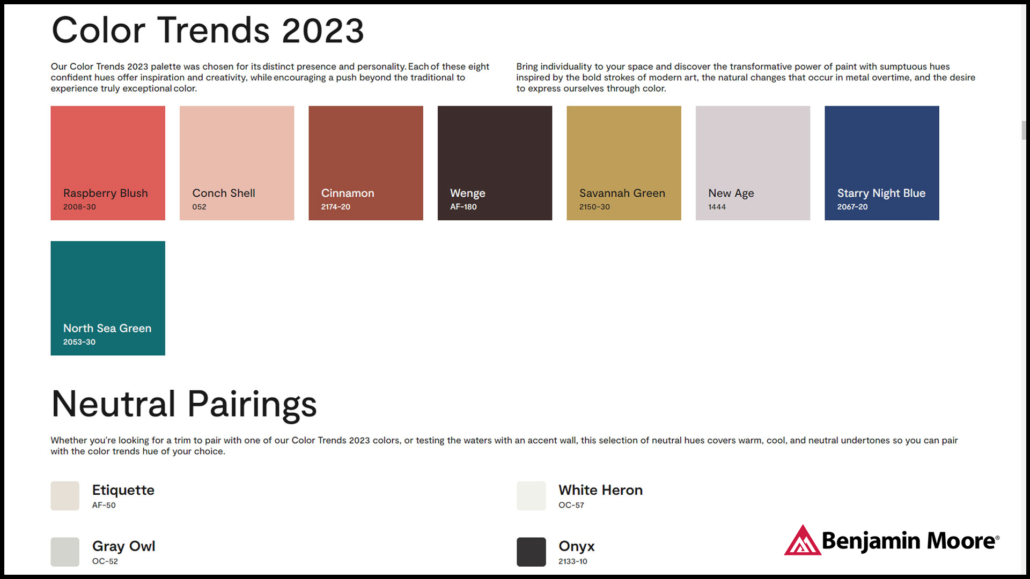
To achieve this, your palette needs to be carefully designed with a mix of neutral colors and accent colors!

Neutrals usually serve as the base or background because they are versatile and easy to pair with any style or color.

Accent colors give personality and character to the space!

To use colors in a balanced way—so they fit well within the space and work harmoniously together—you can follow the 60-30-10 rule.

Here’s how it works:

– 60% is the main color of the room, usually a neutral.
It covers most of the walls, the floor, and the larger pieces of furniture.

– 30% is the secondary color.
It supports the main color but should be different enough to attract attention and create visual interest.

The secondary color is often applied to one wall or part of a wall, or on smaller furniture like armchairs or rugs.

– 10% is the accent color, which can be bold or vibrant depending on the style or atmosphere you want to create.

The accent color stands out clearly.

It appears in small items such as cushions, decorative objects like vases or poufs, and artwork.

Following this rule will ensure your space feels balanced, well-proportioned, and visually appealing.

3 – MATERIALS AND TEXTURES

Materials and textures are truly essential elements in interior design because they add depth and character to a space, enhancing its overall look!

Every object has its own material and texture.

The secret is to find the right balance by mixing different materials and textures.

There are many ways to introduce textures and materials and create interesting, harmonious compositions:

– Mix different textures.

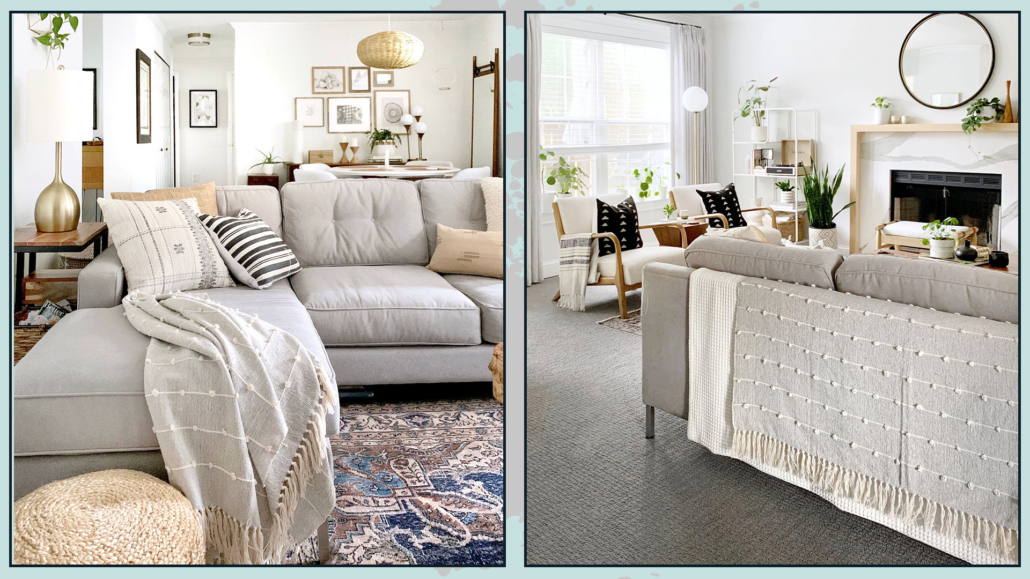
Add a throw blanket with a texture that contrasts with your sofa’s fabric, and maybe a few cushions in different fabrics. Don’t forget curtains and rugs, too.

Bring in an armchair made of contrasting materials.

The key is to place contrasting materials and textures close together.

(credits: casafacile.it; graziademonte.com)

– Add accessories.

Vases, baskets, trays, and candle holders bring texture and variety.

Group them with contrasting colors or materials for visual interest.

(credits: orsipanosinteriors.com; pinimg.com)

– Include plants and flowers.

Whenever I talk about plants and flowers, I mention how they add color and texture, so it’s no surprise to see them here again!

Plants are wonderful because you can add them to any style or color scheme.

Depending on the size of the plant or the pot, you can place them almost anywhere: from a corner of the room to your coffee table!

(credits: Brianne Penney; decor.by.dp)

These three elements are fundamental for creating truly amazing atmospheres.

They are the secret to decorating your home like a pro!

I hope you enjoyed this article and found it helpful.

If so, don’t hesitate to share it with someone you think might be interested; I would be honored, and it will help me gain more visibility.

If you need help with any room in your home, I would be honored to assist you. Book a personalized consultation today.

HOW TO USE AND FURNISH AN EXTRA ROOM

Let’s face it: it’s not often you have it… but if you do, let’s explore how to use and furnish an extra room!

If you’re lucky enough to have an extra room, you have a few options:

– Home office

– Guest bedroom

– Walk-in closet

– Home gym

– Playroom (for those with kids)

Let’s look at each option one by one.

HOME OFFICE

We’ve all seen how important it is nowadays to have a dedicated area at home for studying or working remotely!

If you’re lucky enough to have an extra room — even a small one — it could be the perfect spot to create your own home office.

Here are the essentials:

– A desk — and if it’s not large enough, consider adding a small side table for your printer.

– At least one bookcase.

– Proper lighting — general and, most importantly, task lighting for your desk.

Place your desk where it can receive as much natural light from the window as possible and, when done, arrange everything else.

Don’t be afraid to place the desk in the center if it doesn’t block the flow, but make sure you have a floor outlet.

Otherwise, keep it closer to the wall: loose cables are a tripping hazard!

Make the space comfortable using colors that help with focus, like blues or purples, or calming shades like greens.

Of course, stay within the color palette you’ve chosen for the rest of your home.

Add a few plants to purify the air and bring a bit of nature indoors.

And finally, personalize it with the decor you love so you positively feel at ease in your space!

(credits: yellowa.it; Decoist.com)

GUEST ROOM

If you often host friends and family, turning your extra room into a guest bedroom is the perfect choice.

Here are the must-haves:

– bed

– one wardrobe

– mirror — ideally full-length so guests can see their entire reflection

– Good general lighting and at least one bedside lamp

The wardrobe doesn’t need to be huge, but it should be empty and ready for guests to store their stuff.

Stick to mostly neutral colors so anyone can feel at ease; color preferences are very personal, so if you want to add color, do it in small accents.

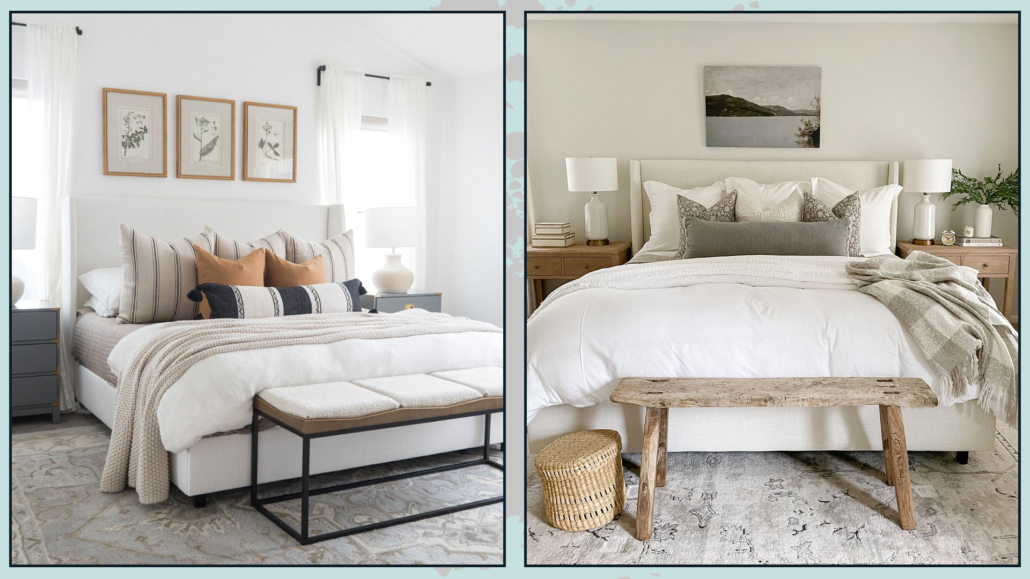
Style the bed with simplicity but invitingly: use a soft bedspread and a few decorative pillows to add a touch of elegance.

To give it that extra flair, casually drape a throw blanket over the bed — ideally in a color that contrasts with the bedspread and matches the pillows.

Add cozy rugs so your guests feel pampered, especially if they walk barefoot.

Curtains are a must — not only for privacy but also to filter out light that might disturb their sleep.

A great idea is to use layered window treatments, with blackout curtains added for maximum comfort.

If you have space, include a small seat — even a pouf can work. It adds a decorative touch and gives guests a place to sit or remove their shoes.

Candles and home fragrances are also great finishing touches to create a warm, welcoming atmosphere.

(credits: studio-mcgee.com; duomodesign.it)

WALK-IN CLOSET

That is the (not-so-secret) dream of almost every woman!

But throwing four wardrobes into a room isn’t enough to make it a proper walk-in closet.

First, it’s paramount to understand how many clothes you need to hang and how many to fold.

That will help you determine the type of wardrobes or drawer units you need.

You might also want a dedicated shoes section — it’s something worth planning carefully.

Include a large mirror to see your total reflection while trying on outfits.

It can be wall-mounted or freestanding.

Consider adding a valet stand for clothes you have worn but don’t need to wash yet.

It’s also helpful to have a seat — it can serve as a handy surface and make it easier to put on or take off shoes.

A clever addition is a wide central surface (may be an island) where you can easily fold clothes.

It also doubles as extra storage space.

If you have enough room, consider adding a vanity where you can do your makeup and keep your jewelry.

It’s a chic and elegant touch that adds genuine charm to the space.

As always, pay attention to general and task lighting to see clearly inside your wardrobes.

(credits: NaturallyMary; bassettfurniture.com)

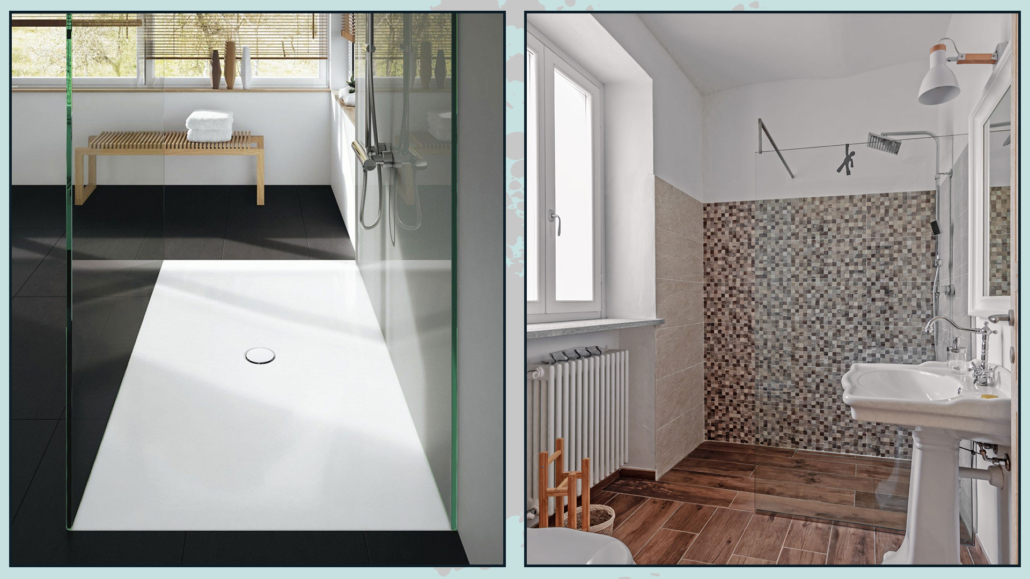
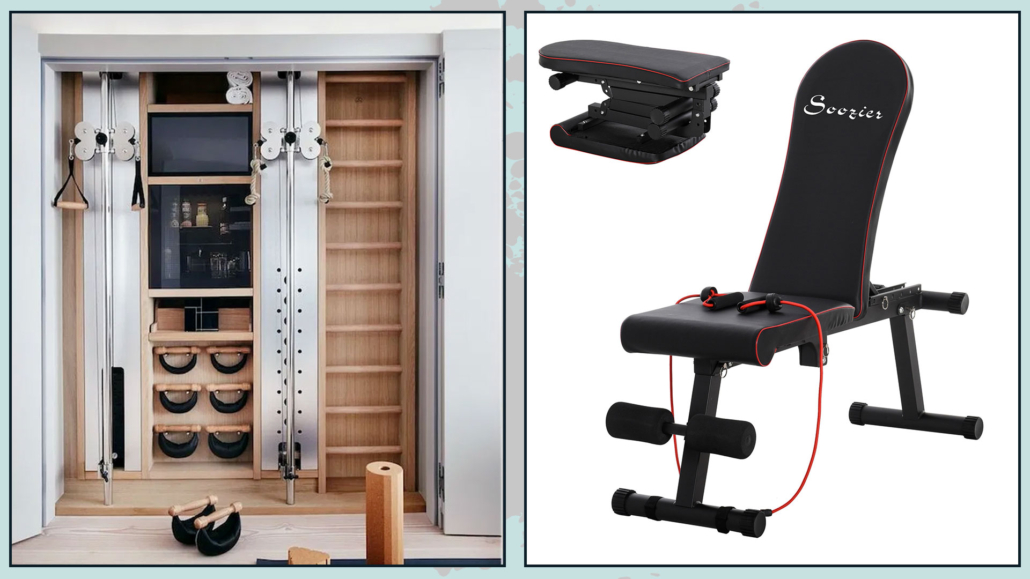
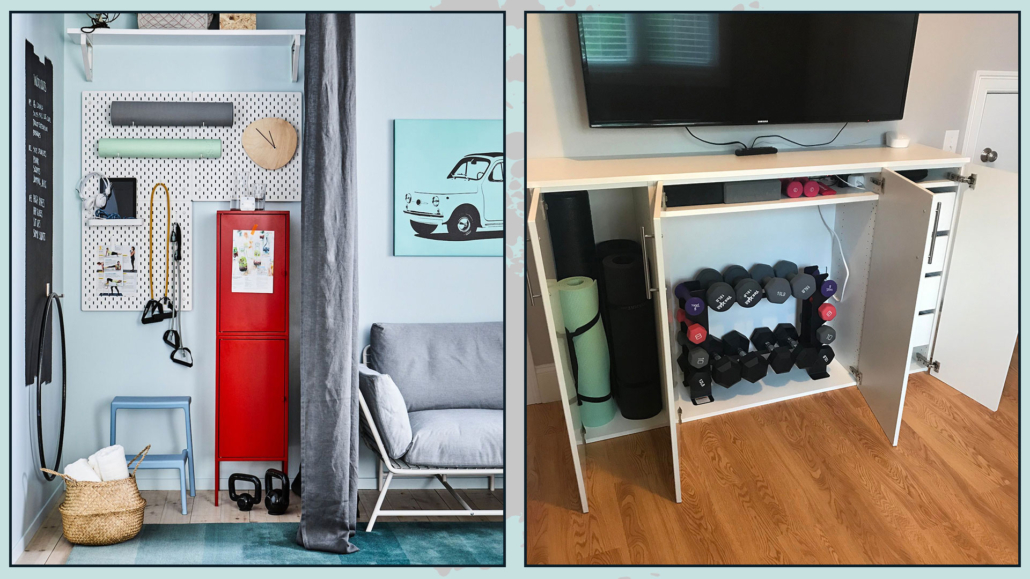
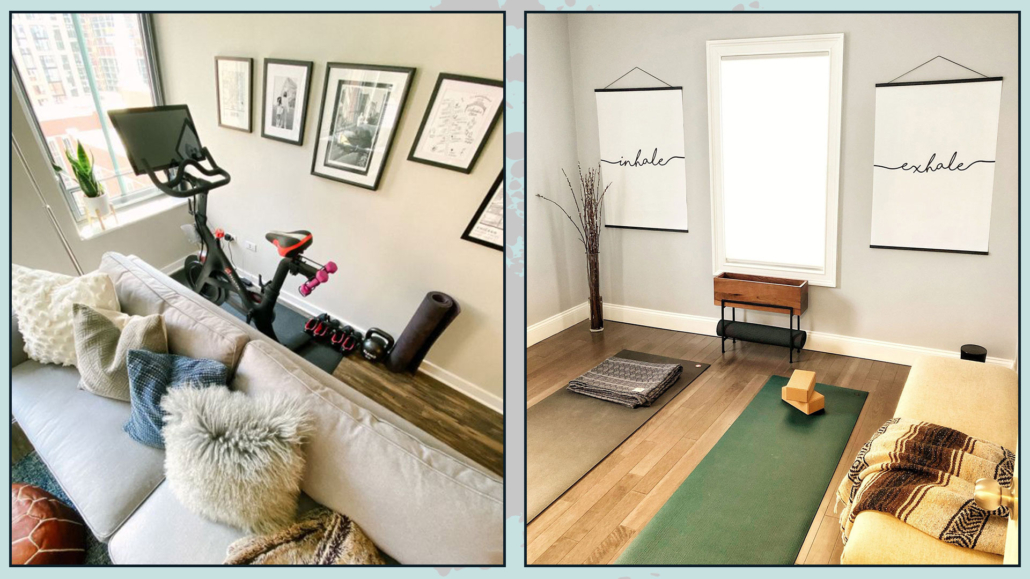
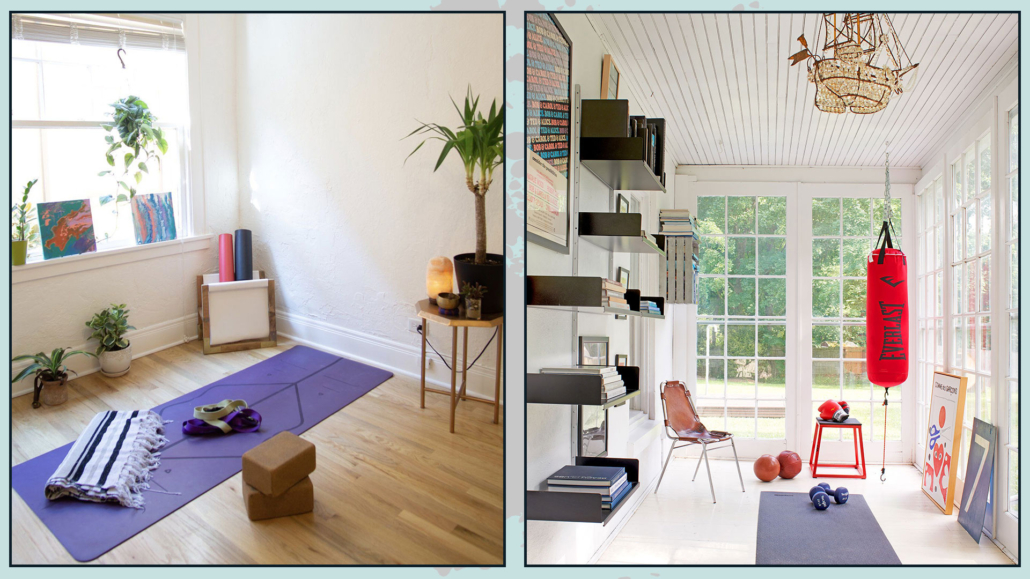
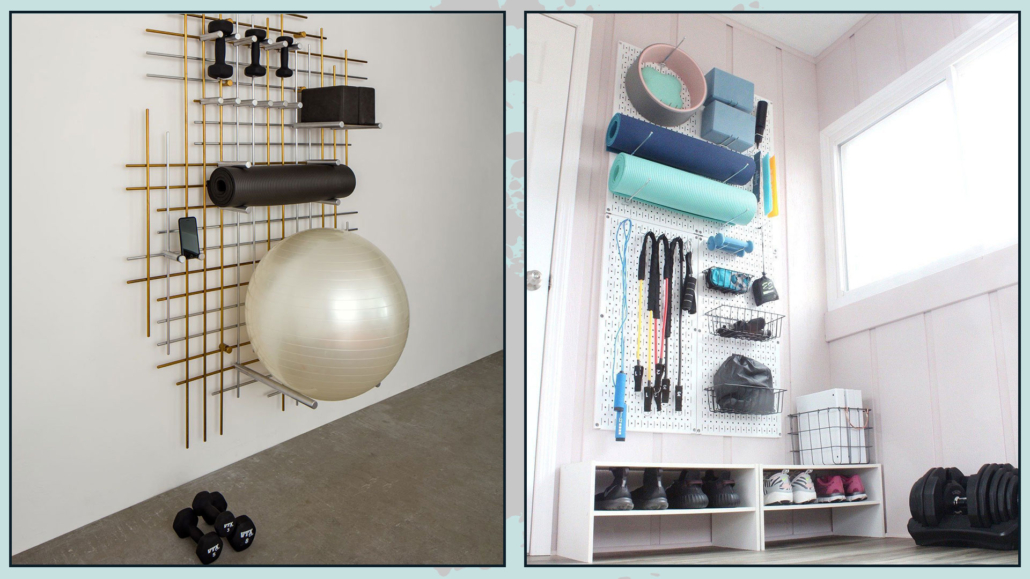
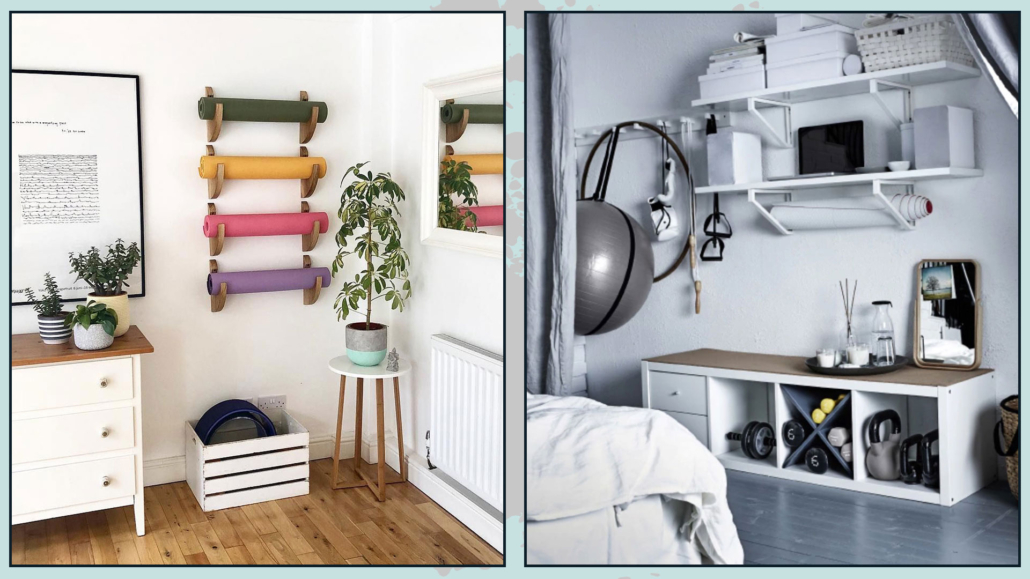
HOME GYM

If you’re into fitness, why not turn your extra room into your gym?

Start by ensuring the lighting is appropriate, then set up the equipment you use most often for your workouts.

A small cabinet or wardrobe can be helpful, too, for storing things like workout shoes and accessories.

Use vibrant, energizing colors like yellow to boost your motivation, but try to stay within your home’s overall color palette.

And yes, add some plants!

They help purify the air and bring a touch of nature into your workout space.

(credits: casamagazine.it; warehouse3c.top)

GAMES ROOM

If you have young (or not-so-young) kids, you surely know one thing: there’s never enough space!

So, dedicating your extra room to playtime might be the perfect idea.

This way, their bedroom can be reserved just for sleeping and studying, helping to separate different activities in a more functional way.

In a playroom, clever organization is key.

Use plenty of storage units and cabinets — ideally placed along the walls to keep the center of the room open for play.

A large, soft, easy-to-clean rug is essential so they can play on the floor without getting cold.

You might also create a cozy little reading nook with a bookshelf, a comfy seat, and (of course) a dedicated reading light.

Here’s your chance to go wild with colors: feel free to step outside your home’s usual palette and have fun with it!

(credits: adventuresofatwinmom.com; inspio.it)

HOW TO DECIDE?

How to choose the best way to use and furnish an extra room?

The answer starts with your needs: think about what you’re missing in your home and prioritize that.

You can also mix and match some of the options we’ve seen.

For instance, if you don’t have guests so often, you could place a sofa bed in your home office and have a space that combines a guest room and a workspace.

Or maybe you’d love a home gym, but you could still include extra storage for off-season clothes — the two can absolutely coexist!

(Credits: Liliana Zenaro Interiores; litzrealestate.com)

In short, there are no strict rules — just helpful ideas to guide you.

To get the most out of your extra room, focus on what you truly need and then plan the layout and design that best fits your lifestyle.

I hope you enjoyed this article on how to use and furnish an extra room and found it helpful.

If so, don’t hesitate to share it with someone you think might be interested; I would be honored, and it will help me get known.

If you feel that your home, or any part of it, doesn’t reflect you enough, don’t wait any longer: fall in love with your place again and book your consultancy!

How to choose the proper lighting for your home?!
It’s a question I’m often asked, so I decided to answer it with this article.

We know perfectly well that lighting is absolutely essential, and the wrong lighting can ruin your entire furnishing and décor project.

As mentioned other times, you could choose the most beautiful furniture, the best colors, and the finest materials, but if you get the lighting wrong, everything will fade away!

I’ve already discussed lighting by explaining color temperatures, color rendering, and more (you can find the video here!).

Today, I want to focus on choosing the right lights for your home and how to position them correctly for perfectly lit spaces!

Let’s first look at the different types of lighting based on their function.

We can divide lighting fixtures into two main categories:

– decorative

– architectural

(credits: Mooeilight; cb2.com; shopee.com; amazon.com; pinterest; obsoleteinc.com; astrolighting.com; indiamart.com)

DECORATIVE LIGHTS

Decorative lights, of course, provide illumination, but they also enhance the design and aesthetics of our spaces.

They come in various forms:

– Chandeliers

– Table lamps

– Floor lamps

– Wall lamps


(Mooeilight; cb2.com; pinterest; obsoleteinc.com)

And each can have different styles!

In addition to providing illumination, decorative lights enhance the design and aesthetics of a space.

Therefore, they are essential elements when designing the décor of any space.

To understand how to choose the right lights for your home, we need to consider two key aspects:

– How the light spreads

– Shape, style, and color

HOW THE LIGHT SPREADS

– SHADED LAMPS

Shaded lamps emit a soft, even light.

This type of lamp helps create the room’s general lighting.

Chandeliers, table lamps, floor lamps, or wall lamps with shades help create a warm and inviting atmosphere.

These lamps are ideal for areas where you want to relax, such as the bedroom or living room.

(credits: urbanoutfitters.com; behance.net)

– DIRECT LIGHTING

This type of lighting illuminates specific areas for tasks like reading, studying, drawing, eating, or cooking!

In addition to being highly functional by providing the right light for each activity, these lights are also a key part of the décor.

(credits: amazon.it)

Depending on how a lamp emits light, it will be more suitable for certain areas than others.

So, this is the first aspect to consider when choosing a lamp!

SHAPE, STYLE, AND COLOR

Once you’ve determined the best type of lamp based on how it emits light, you’ll need to choose its shape, style, and color to match the design you’ve selected for your home!

For example, if you love the minimalist style, you can use lamps with simple shapes and clean lines to maintain the style. Or, if you enjoy mixing, you can add lamps that contrast, making them the focal point!

(credits: jdpinteriors.com)

In a room, there are usually several decorative lamps.

These lamps should have a common thread to ensure the space feels cohesive and harmonious.

You can achieve it by using lamps with similar shapes but different colors and materials or, on the contrary, lamps with different shapes but the same material and color!

ARCHITECTURAL LAMPS

Architectural lamps are subtle lights that, in a way, are part of the structure of a space; for this reason, you can use them regardless of the home’s style.

They are practical and functional for illuminating areas.

We can include in this group:

– Recessed spotlights

– Ceiling lights

– Regular spotlights

– LED strips

(shopee.com; amazon.com;astrolighting.com; indiamart.com)

In addition to illuminating spaces, these elements can highlight decorative objects or architectural features.

Let’s see where and how to use these lights.

– RECESSED SPOTLIGHTS

People commonly use recessed spotlights for general room lighting.

A false ceiling made of drywall is required to install them.

They are functional and discreet lamps that one can use in any room without altering the style.

They can have a wide or narrow light beam.

You can use recessed spotlights with wide beams anywhere as general lighting.

If the beam is narrow, they are best used to highlight a specific area, such as a wall with unique wallpaper or beautiful artwork.

(credits: lednews.lighting; splash-of-light.co.uk)

– CEILING LIGHTS

Ceiling lights fulfill the same purpose as recessed spotlights and work well when you cannot have or do not want a false ceiling.

Their primary function is to provide general lighting.

There are countless different shapes of ceiling lights, and you will need to find one that best fits the shape, style, and color to match the room’s décor!

(credits: archiexpo.com; lampadaribartalini.it)

– REGULAR SPOTLIGHTS

On the other hand, regular spotlights usually have a narrow light beam, which makes them perfect to highlight a specific area, such as an architectural detail, a painting, a sculpture, or a wall with a unique texture!

You have to position spotlights to point exactly where you want them.

There are also spotlights mounted on tracks.

They’re ideal for spaces without a false ceiling but with a single central light source.

Thanks to the track, you can still distribute the light evenly.

(credits: Vicki Fabian; ikea.com)

– LED STRIPS

Thanks to their versatility, LED strips have become widely used in interior design for the past few years!

LED strips can define volumes and illuminate furniture or functional areas like beneath kitchen cabinets!

They emit a soft, diffused light, perfect for general lighting and setting the mood!

(credits: krow.rs; maisondorstudio.com)

SOME ADVICE

Now that you know the various types of lighting, I’d like to give you a few tips on how to better plan the lighting for your spaces:

– Use multiple lamps

One light source is not enough to properly illuminate a space and create contrast and depth!

The ideal setup is layering light: having general lighting to fully illuminate the room, spotlighting to highlight specific areas, and task lights that assist with activities like cooking, reading, studying, and so on.

– Be careful how space will be used

Try to understand how you will use a particular space to determine which lights to choose!

For example, in a study, you’ll need specific table lamps to make the space more comfortable for working.

– Design the lighting system

When designing a lighting system, base it on how you want to arrange the furniture in the room.

This way, you’ll have a truly functional and efficient lighting setup!

Otherwise, the risk is having lights in places where they’re not needed and lacking them where they are.


I hope you enjoyed this article and found it helpful.

If so, don’t hesitate to share it with someone you think might be interested; I would be honored, and it will help me get known.

If you feel that your home, or any part of it, doesn’t reflect you enough, don’t wait any longer: fall in love with your place again and book your consultancy!

Is it possible to transform spaces, at least visually?

Of course, it is, without construction work, only with… color!!!

Color has the power to alter our perception of spaces.

That means it can optically change the appearance and proportions of a room, making it feel taller or shorter, smaller or larger, and so on!

Therefore, color is a fantastic ally for those unique spaces: when used correctly, it can trick the mind and give us the impression of entirely different dimensions.

Today, I’d like to share some tips on using color to your advantage to visually transform spaces in line with what you want to express in them!

– LIGHT COLORS AND DARK COLORS

This difference is quite well-known: light colors enlarge, while dark colors make spaces feel smaller.

Light colors also make a space brighter because they reflect light.

If you need to make a space feel huger, it’s best to use light colors everywhere: on the ceiling, walls, and floors.

Using light colors also for the furniture will amplify the effect.

While white is undoubtedly the color that reflects light the most, I don’t mean only white when I refer to light colors.

ANY color in its lighter, less saturated shades can help make spaces feel bigger!

While it’s true that dark colors make spaces feel smaller, they also create a sense of “closeness.”

The space feels cozier.

The risk is making a space feel a bit stifling, but when used in large, well-lit areas, the result can be stunning!

(credits: posterstore.it; room108.be)

– WARM COLORS AND COOL COLORS

We all know warm colors include shades like red, yellow, and orange because they evoke images of sunsets, fire, and similar elements.

They create a sense of warmth, bring cheer, and feel inviting, setting up pleasant atmospheres.
Warm colors shrink the spaces, making them more intimate and cozier.

On the other hand, cool colors include blues, purples, and greens, as they remind us of water and nature.

They give a sensation of freshness, serenity, and relaxation.

Cool colors also help to visually enlarge spaces by creating the illusion that walls are receding.

That makes them ideal for tight spaces like hallways or small bathrooms.

When choosing a color, it is crucial to understand the room’s specific conditions to select the proper shade, the one that will absolutely help you experience the feelings you want in that space.

(credits: Cleo Scheulderman; talianbark.com)

– NEUTRAL COLORS

Neutral colors have a significant visual impact!

Remember that, aside from pure neutrals like white, gray, and black, all other neutrals have an undertone you need to consider.

The undertone is what makes all the difference in the final result, as it determines whether a neutral appears warm or cool.

Even among warm neutrals, the undertone will influence whether a space feels more yellowish or rosy, and this will, of course, affect the perceived mood.

I discuss neutral colors in greater detail here.

Neutral colors are fantastic as a background or base in interior design as they’re incredibly versatile, pairing well with any style and color!

(credits cocolapinedesign.com; H&M Home)

– VISUAL EFFECTS

Now that you know how colors can visually change the appearance of a room, let’s explore how to use them to create specific visual effects!

– Lower/Raise the Ceiling

If you have a room with a low, somewhat suffocating ceiling, paint the walls and leave the ceiling white.

That will instantly give the impression of a taller room.

On the other hand, if the ceiling is high and feels too expansive, paint it a darker color than the walls!

Visually, the ceiling will seem lower, creating a cozier and more intimate atmosphere.

(credits: @coelholimaarq)

(credits: Future; summerthorntondesign.com)

– Widen/Narrow the Space

To make a space appear larger, use a darker color on the ceiling and the farthest wall while keeping the side walls light.

That will visually bring the ceiling and the far wall closer, creating the illusion of a larger room.

That trick works wonders for long and narrow spaces like hallways!

To narrow the space, do the opposite: keep the far wall and the ceiling light and use darker colors on the side walls.

That will elongate the room slightly, making it feel more proportionate.

(credits: @coelholimaarq)

(credits: @IndiverPlast; stherbb.us)

– Shorten the Space

To make a generous space feel more intimate, paint the far wall darker while keeping the other surfaces light.

The far wall will appear closer, making the space more inviting and cozy.

(credits: @coelholimaarq; kmdesignco.com)

– Narrow the Walls

To “shorten” the walls and make them feel narrower, the ideal solution is to add a dark-colored stripe along the upper part of the wall.

(credits: @coelholimaarq; living.corriere.it)

– Enlarge/Shrink the Space

As mentioned earlier, with light and dark colors, paint all surfaces in light tones to make a space feel larger by reflecting more light.

That creates the effect of a more open and airy room.

Use the same color on walls and ceiling for an even more powerful effect.

On the other hand, if you want to make a room feel smaller, opt for warm, dark colors.

As we’ve seen, these tones bring surfaces closer together.

That approach is perfect for huge rooms that otherwise might feel “empty” or impersonal!

(credits: @coelholimaarq)

(credits: tailoredspace.com.au; igorsirotovarchitects.artstation.com)

As you’ve seen, color is indeed a fantastic ally.

Not only does it set the mood of a room, but it can also help transform visually unique spaces, like long and narrow hallways…

I hope you enjoyed this article and found it helpful.

If so, don’t hesitate to share it with someone you think might be interested; I would be honored, and it will help me get known.

If you feel that your home, or any part of it, doesn’t reflect you enough, don’t wait any longer: fall in love with your place again and book your consultancy!

How correctly to furnish the entryway? It’s a question I’m often asked!

The entryway is your home calling card, the first impression a guest will have of the rest of the house.

The entryway is a transition from the outside world to the heart of your home, so it should be welcoming and give a sense of the style and atmosphere that awaits inside!

First, you should interpret your available space: a small space does not necessarily have to be less welcoming than a large one!

Sometimes, the opposite is true because a generous space can feel empty and impersonal!

You can create a welcoming entryway even if you don’t have one walking straight into the living room!

Let’s go over 6 rules for furnishing your entryway perfectly, no matter the available space!

1 – FLOORING OR RUG

As we mentioned earlier, the entryway is a transition from the outside to the inside, so ideally, the flooring should highlight this transition.

You could choose different flooring from the rest of the house, which is ideal if your entry leads directly into the living room to divide the two areas visually.

You’d want to avoid having two floors with strong contrasts in a tiny space, but different flooring helps define specific areas.

Alternatively, you could use a rug: only remember to choose one simple to clean.

That can help prevent guests from bringing dirt into the rest of the house!

Naturally, having a doormat outside the door is also helpful to get rid of most of the dirt.

(credits: karstinteriors.com; Stefania Damaggio; Pinterest.com)

2 – ALWAYS HAVE A SURFACE TO SET THINGS ON

It’s paramount to furnish the entryway with a surface whose dimension will depend on the available space.

It could be a beautiful round table in the middle of the room, a console table against the wall, or even a simple shelf!

First and foremost, it’s functional because it’s where you’ll “empty your pockets” when you come home, but it will also serve as the focal point of the entryway.

You can place a lovely plant, a vase of flowers on it, or a tray with candles or diffusers. In short, you can decorate it as you see fit!

That is where you give a preview of your home’s style!

If space allows, you could add a small seat, like a simple pouf!

It can be handy if you change your shoes right at the entrance.

(credits: amazon.com; studio-mcgee.com; ohmeohmyblog.com)

3 – LIGHTING

To welcome your guests, lighting in the entryway is vital; you should study it, recalling that there is a transition from the outside, where lighting is totally different.

Get creative, for instance, using recessed ceiling lights: as for the flooring, if your entryway opens into the living room, lowering the ceiling can visually separate the two areas.

You can furnish the entryway with unique and original chandeliers or wall sconces, anything that not only lights the space effectively but, like the surface area, gives a sense of your home’s style and atmosphere!

Play with different types of lighting: use recessed lights or chandeliers for general lighting, but where possible, add a floor lamp or a beautiful table lamp to create a cozy ambiance!

(If you want to know a little more about how to correctly light I talk about it here)

(credits: vogliadiristrutturare.it; amazon.it; houseofjadeinteriors.com)

4 – STORAGE ELEMENTS

When someone visits you, especially in winter, they’ll likely have something to take off and set down, and the same goes for you when you come home!

Of course, a built-in closet isn’t always possible, but many different solutions on the market can adapt to any space.

There are open shelving units that function as coat racks, classic coat racks, or even wall-mounted hooks—some are incredibly original and, when placed correctly, can be very artistic!

You can add a few baskets for smaller items; this will also give a stylish touch to the entryway!

And don’t forget an umbrella stand—if it rains, at least you won’t have wet umbrellas dripping all over the place!

(credits: cutlerkitchenandbath.com; dienlanhsapa.com; elmueble.com)

5 – MIRROR

Having a mirror at eye level in the entryway is very important because:

– You can take a final look at yourself before heading out;

– Your guests can check they look presentable before fully entering the house!

That is a detail not to overlook! Just as you prepare your home when expecting guests, they also want to look their best when visiting you. Coming in from outside, they might need a quick touch-up, so give them that chance!

Depending on the space, you can place a beautiful mirror above the console table or create a composition of mirrors—feel free to get creative according to your style!

Plus, the mirror will help enlarge the space by reflecting light!

(credits: twotwentyone.net; Marina Karpilovsky; lagnappe.com)

6 – PLANTS AND FRESH FLOWERS

By now, you know that plants are vital in any room of the house; in the entryway, they also have a psychological significance: as earlier mentioned, the entryway is the transition space from outside to inside, and plants help to create a smoother connection (even if you live in the city!).

Plants, vases with branches, leaves, or fresh flowers, it doesn’t matter; what is paramount is to have something, even tiny, that brings a touch of nature!

Plants also add fragrance, texture, and color, making them ideal for decorating an entryway!

(credits: brainstudy.info; Muebles Home Direct; amazon.es)

I hope you enjoyed this article and found it helpful.

If so, don’t hesitate to share it with someone you think might be interested; I would be honored, and it will help me get known.

If you feel that your home, or any part of it, doesn’t reflect you enough, don’t wait any longer: fall in love with your place again and book your consultancy!

Often, I receive questions about how to make one’s home cozier, warm, and inviting, so I’ve decided to answer with this article.

When designing a house, commonly, we focus on the aesthetic aspect, neglecting the emotional one: that is what we want to feel in that particular environment!

But to truly feel comfortable and relaxed 100%, the house, besides being beautiful, must also be welcoming and inviting.

So today, I want to share five essential elements to make your home cozier and inviting, regardless of your style!

– WARM LIGHT

Light is a fantastic ally for changing the mood of a room.

The same room, colors, and textures visually change depending on the type of light or, more precisely, the light color temperature chosen (I discuss lighting in detail here).

Lighting with a cool color temperature (above 5000 Kelvin) will give environments tending toward blue, and the perception will be of cold and unwelcoming rooms.

Using instead lighting with a warm color temperature (between 2700 and 3000 Kelvin) will change everything radically, without having to change anything in the room.

This color temperature produces a light that slightly veers towards yellow, creating inviting and warm atmospheres.

(credit: housmag.it)

(credit: morabitoimmobiliare.it)

But there’s a “problem”; this type of lighting changes our perception of colors and spaces, which could ruin some of your design choices.

I’ve said it often: you can design the most beautiful spaces in the world, but if you get the lighting wrong, you ruin everything.

So, what to do?

Well, since there are various types of lighting, the ideal is to use a neutral color temperature (around 4000 Kelvin) for general lighting and warm lighting for secondary lighting, such as table lamps or floor lamps.

(credit: jowebster.com)

Playing with different lights and different color temperatures will allow you to easily change the atmosphere of a room, all with just the use of different bulbs!

Today, there are even some special bulbs on the market that you can not only dim (meaning you can decide the light intensity) but also change the color temperature.

With these bulbs, you can modify the mood of your spaces whenever you want!

Another relevant element to consider is using lampshades that can soften the light.

That also helps to make the spaces warmer and more comfortable.

Additionally, to add a bit more warmth and romance, I suggest adding some candles

(credit: firstforwomen.com)

Candles not only illuminate but also immediately create the atmosphere.

And if you get scented ones, you can give that extra touch that makes a difference!

– SCENTS

As I’ve mentioned before, good design goes beyond aesthetics, and how we perceive spaces through all our senses can also improve our quality of life.

So, we should use everything at our disposal to stimulate the senses and create the atmosphere we want to live in.

(credit: istock.com)

Stimulating the sense of smell is a simple way to make instantly a home more welcoming and inviting.

In addition to scented candles, as mentioned earlier, you can use small aroma diffusers.

Of course, you can use fresh flowers, adding a little color and freshness.

(credit: shutterstock.com)

Some inviting and enveloping essences that help with relaxation and feeling good are cinnamon, orange, cedar, lavender, chamomile, jasmine, rose, and vanilla.

These essences help slow down the nervous system and thus bring many benefits to the mind and body.

(credit: homedics.it)

Of course, be careful not to overdo it with essences, especially with chemical ones; too much could have the opposite effect.

– WARM COLORS

It’s well known that colors have a strong psychological impact and are an excellent ally in creating elegant and attractive environments (I’m talking about color psychology here).

Warm colors, needless to say, are highly recommended for spaces where you want to feel immediately welcomed, almost like being in an embrace.

(credit: desenio.it)

Using warm colors is even more vital in large rooms or open spaces, which otherwise could feel empty, somewhat impersonal, and especially cold.

(credit: larizzadesign.com)

In smaller spaces, the key is to use light shades to maintain that sense of warmth without overwhelming the space.

(cretid: living corriere)

– NATURAL ELEMENTS

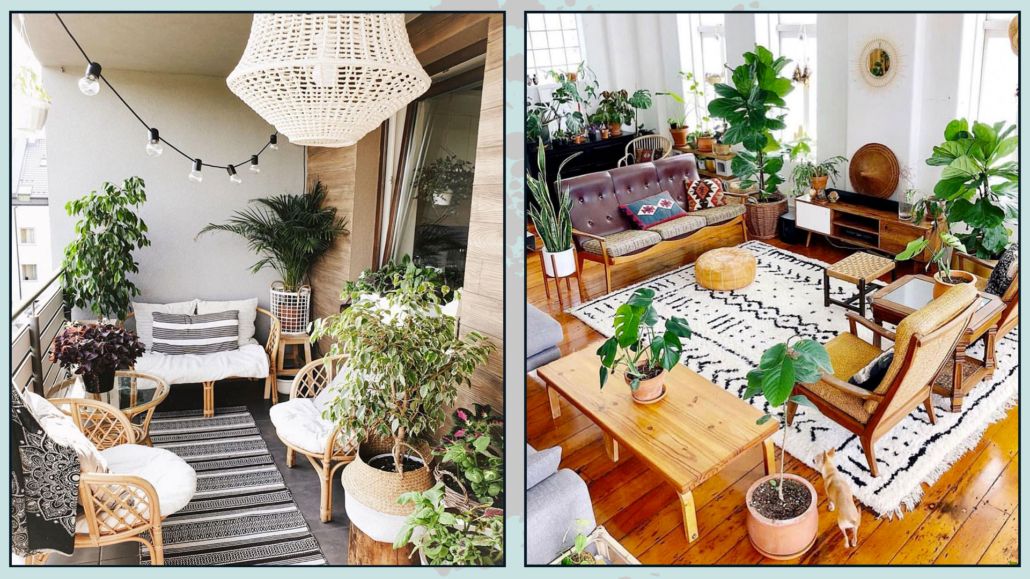
Plants, in particular, are an incredible way to make a home comfortable and inviting!

(credit: istock.com)

Regardless of your style, a plant will liven it up and add that extra touch of elegance.

Not only that, plants help purify the air, making it healthier!

Additionally, as mentioned other times, they bring shapes, textures, and a touch of color that never hurts!

Other natural elements like wood, terracotta, rattan, or fibers such as linen help us feel closer to nature, which relaxes us and makes us feel good!

(credit: H&M)

(credit: Sebastian Erras)

If you like, you can also add nature sounds in the background at home: for instance, classical music accompanied by the sound of the sea, rain, or crackling fire.

That could also be a great way to feel even more relaxed!

– TEXTURES

Soft textures are essential to create a warm and enveloping home feel and stimulate the sense of touch.

Look for materials that are pleasant to the touch and can make spaces more comfortable and inviting.

(credit: entrancemakleri.se)

A soft rug will immediately help warm up the environment, and walking barefoot on it will help you relax!

(credit: soopush.com)

Blankets, casually draped over the sofa or bed, immediately give a sense of warmth, also adding a touch of color!

Likewise, cushions are indeed the best way to add comfort and decorate a sofa or bed.

(credit: favim.com)

As you can see, making a home more welcoming and inviting is not difficult.

Use what you have, make changes if necessary, such as changing a few light bulbs, and add some details, and you’re all set.

Your home should represent you and, most importantly, make you feel good and comfortable.

Choose things based on your style and personality!

I hope this article on how to make your home cozier and inviting has been helpful and enjoyable for you. If so, let me know in the comments!

Feel free to share it with anyone you think might be interested, I would be honored, and it will help me gain more exposure.

If you feel that your home, or any specific area of it, doesn’t reflect your personality enough, don’t wait any longer and book your consultancy!
Did you know that the most important element in interior design is the focal point?

It’s actually a fundamental element to consider when designing the furnishings of a home!

What is the focal point, such an important element in interior design? 

It’s the area of the room that captures the gaze because of its greater visual interest.

It’s an element that should stand out from the other elements in the same room due to color, size, style, or material!

The focal point is a valuable element in interior design because it somehow defines the space: the other elements and furniture and their position, and consequently the use of the room, will be decided concerning this.

Study each room, looking for those that can already be major architectural elements to enhance.

If there aren’t any, try to understand which area could be most suitable for creating an attractive viewing area.

You can do this by looking at how you wish to move and live in that space.

Can you have multiple focal points in a house? 

Absolutely yes! Each room can (indeed must) have its focal point.

The care to take is not to make these focal points “compete” with each other because otherwise, you will lose the very meaning of a focal point!

Therefore, one should aim to create focal points that are visually different!

If, for example, you’ve used a wall color as a focal point at the entrance in the living room, it should be something else, like a fireplace, a mirror, or even the TV wall!

(credits: vivadecora.com; Rugh Design)

These two focal points will not compete: they will attract attention, stimulating the desire to enjoy each space!

(credits: vivadecora.com; alibaba.com)

Now, let’s see how to create a focal point, room by room!

– ENTRANCE

If you’re fortunate enough to have an entrance, even a small one, remember that it’s the first thing people will see and the first impression they’ll get of the house.

The focal point could be a large mirror above a console, a vibrant painting, or an extraordinary vase of flowers!

The important thing is to choose ONE main element that catches the eye, then use other items, like lighting or decorative objects, to emphasize the main one!

This element should grab attention and “invite” people in!

(credits: albertolamaphotography.com; studio-mcgee.com; pianetadesign.it)

– LIVING ROOM

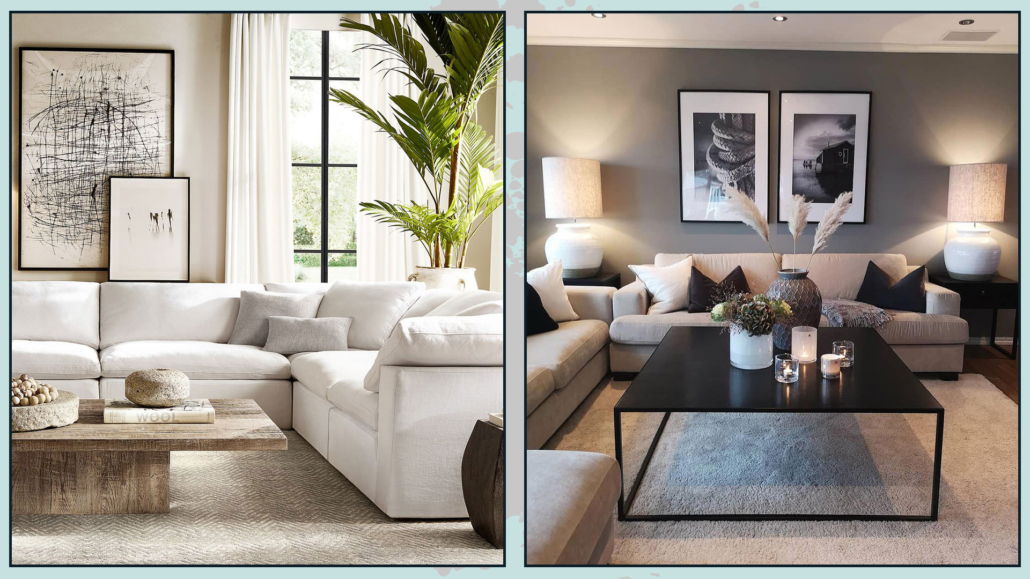
As mentioned earlier, in the living room, the focal point could be a beautiful fireplace, for those fortunate enough to have one, or the TV wall.

But you could also decide to have a wall filled with photos and paintings or a beautiful and particular wallpaper.

If you’re lucky, even a large window with a superb view can be the focal point!

Once you’ve figured out where and how to create this focal point, which must somehow “dominate” over the rest of the room, you’ll arrange your furnishings accordingly!
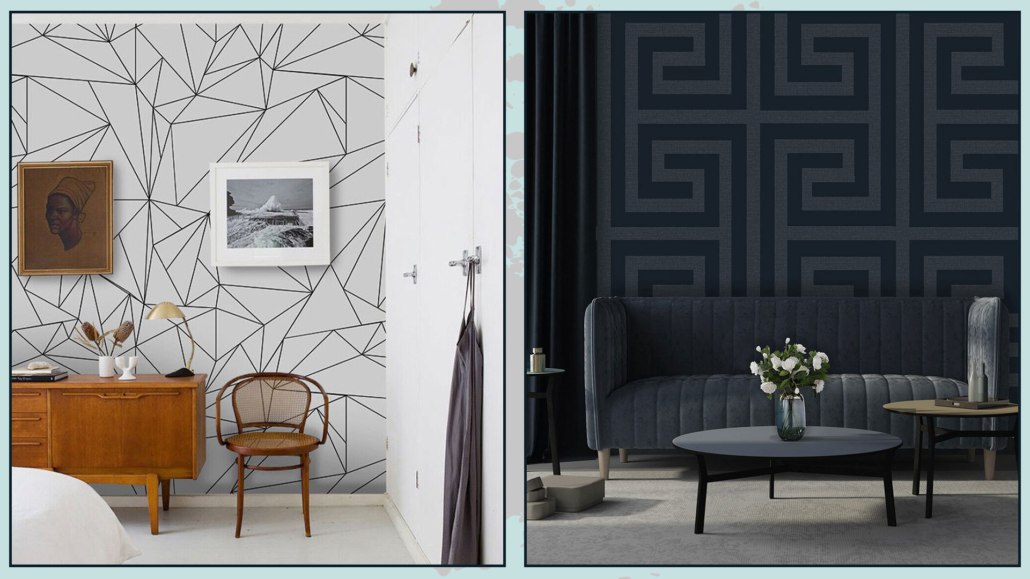
(credits: edilnet.it; vault-light.com)

– DINING ROOM

Usually, the table takes center stage in the dining room. Thus, the focal point could be a large and unique centerpiece! 
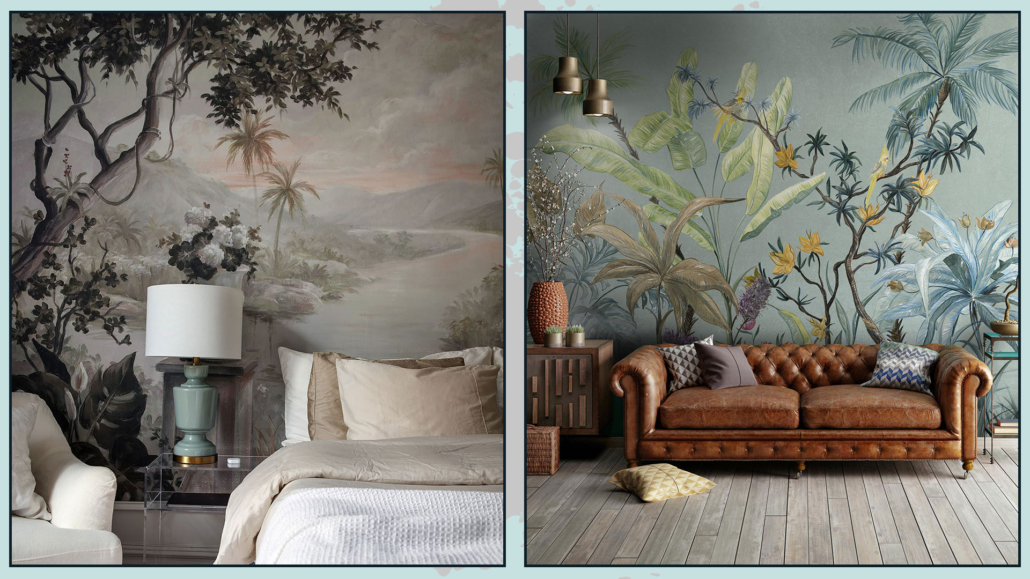
Alternatively, you could have a beautiful and stylish chandelier above the table, immediately drawing the eye.

Whether you choose the centerpiece or the chandelier, remember that the walls should remain simple and linear to not “steal the show.”

Of course, you can decide the opposite and choose a wall as the focal point with a beautiful mirror, painting, or even a particular wallpaper.

In this case, the chandelier and centerpiece will be more “modest” to avoid competing with the wall!
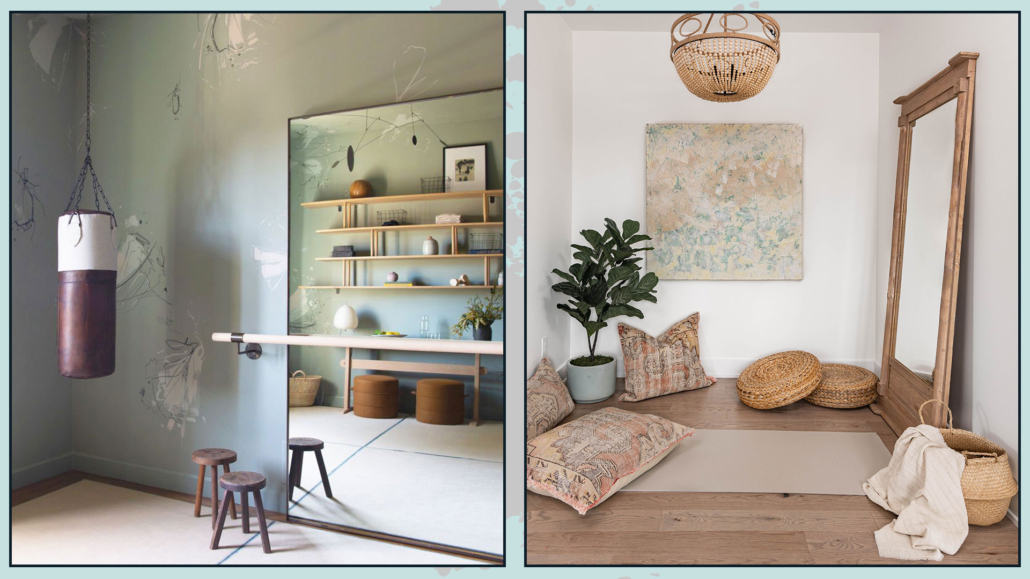
(credits: dearkitchen.it; casatuaitalia.it; beiboerfineart.com)

– KITCHEN

Even in the kitchen, it’s possible to have a focal point!

Study the space to evaluate potential areas to transform into focal points.

You could choose a colorful or textured backsplash, a unique hood (perhaps a design piece), or a splendid credenza.

As always, the important thing is using the other elements, like lighting or color, to emphasize this focal point. 

(credits: bilderwelten.it; homedesignlover.com)

In the case of an open space with a living room or dining room, consider how these two areas are connected and look for the most significant and attractive point.

Since it’s a unified space, having a single focal point is better!

(credits: pinterest.co.uk)

– BEDROOM

Just as in the dining room, the table takes center stage; in the bedroom, the bed is the main element.

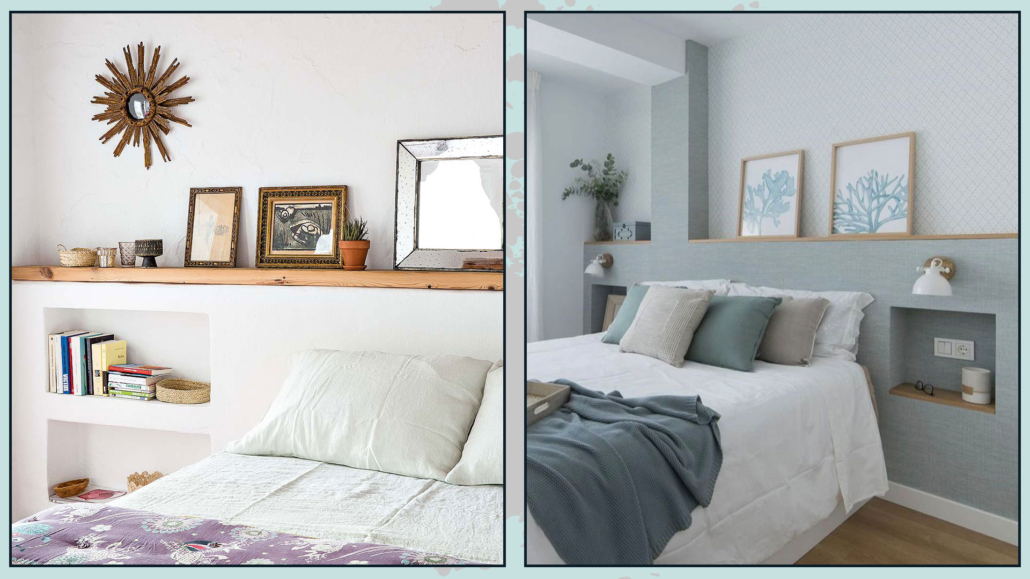
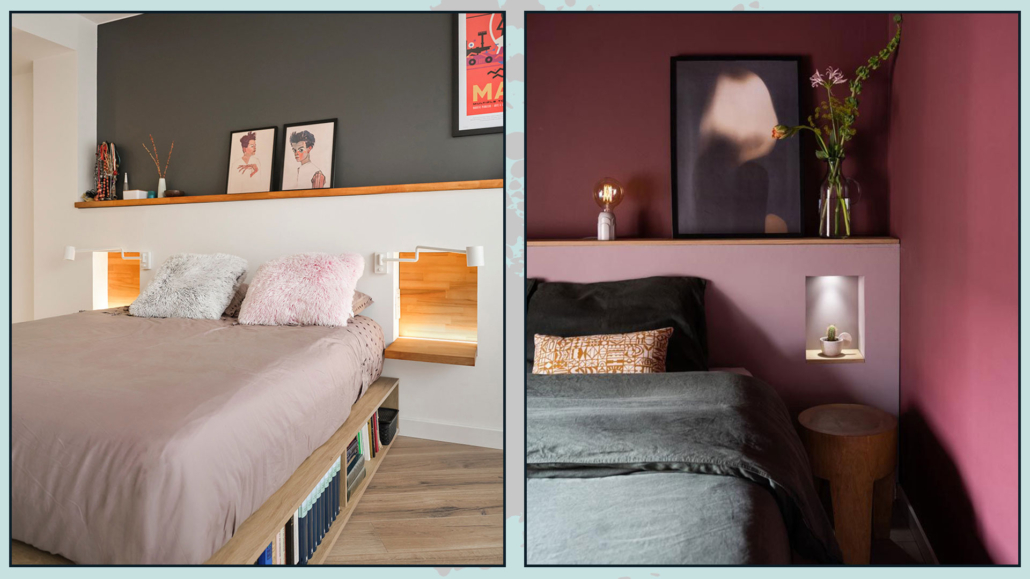
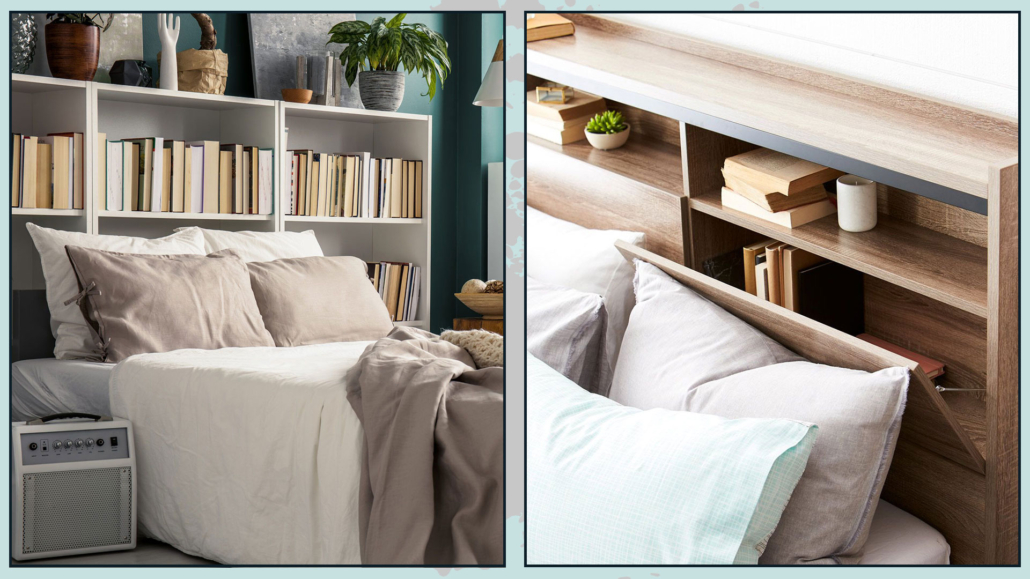
Thus, the focal point of the room could be the bed wall!

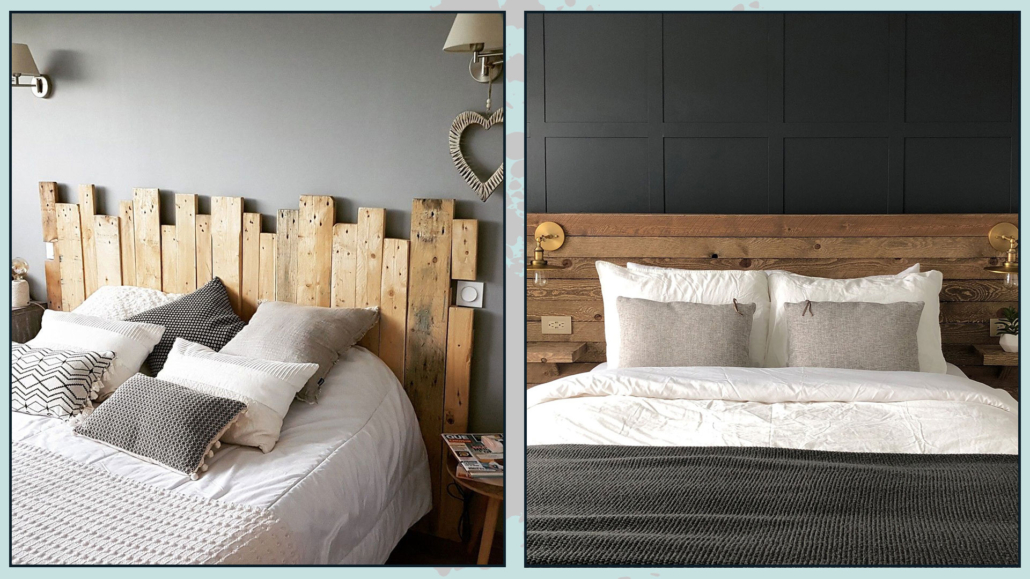
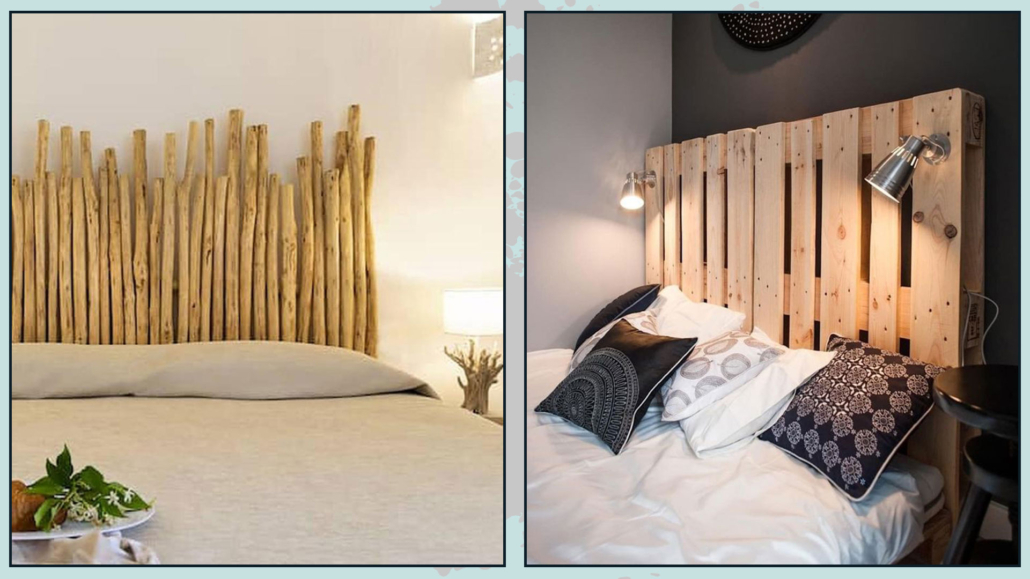
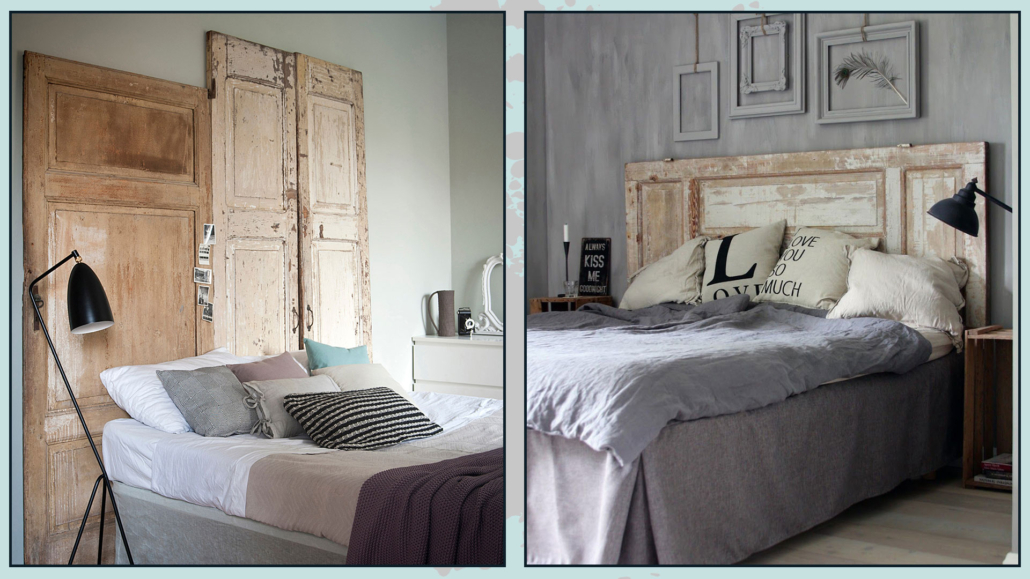
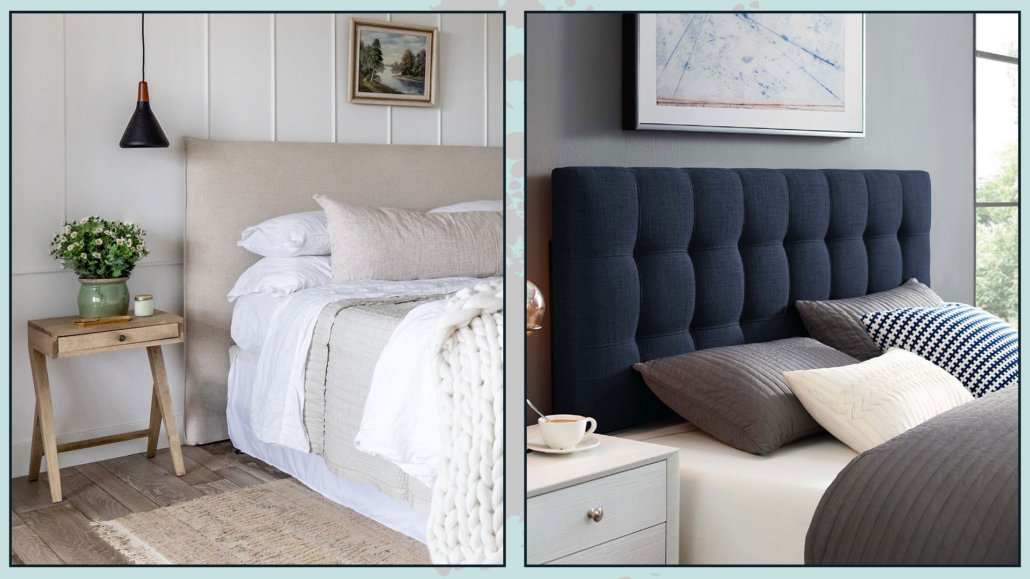
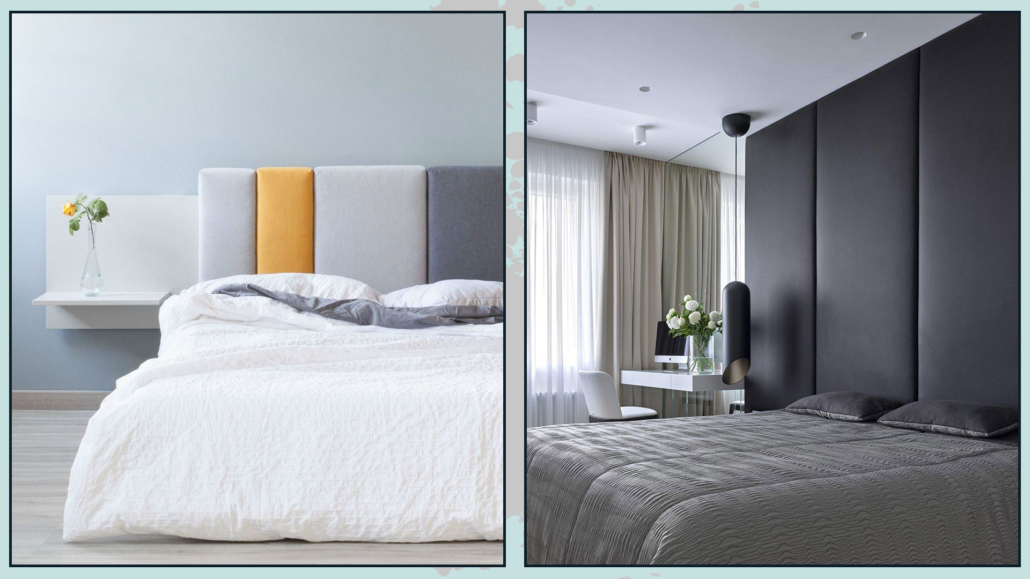
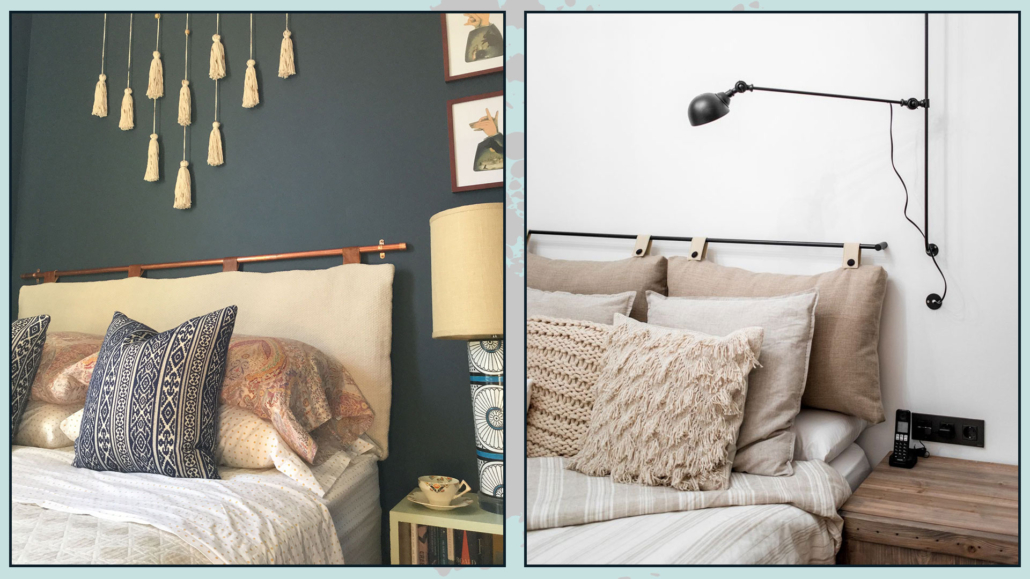
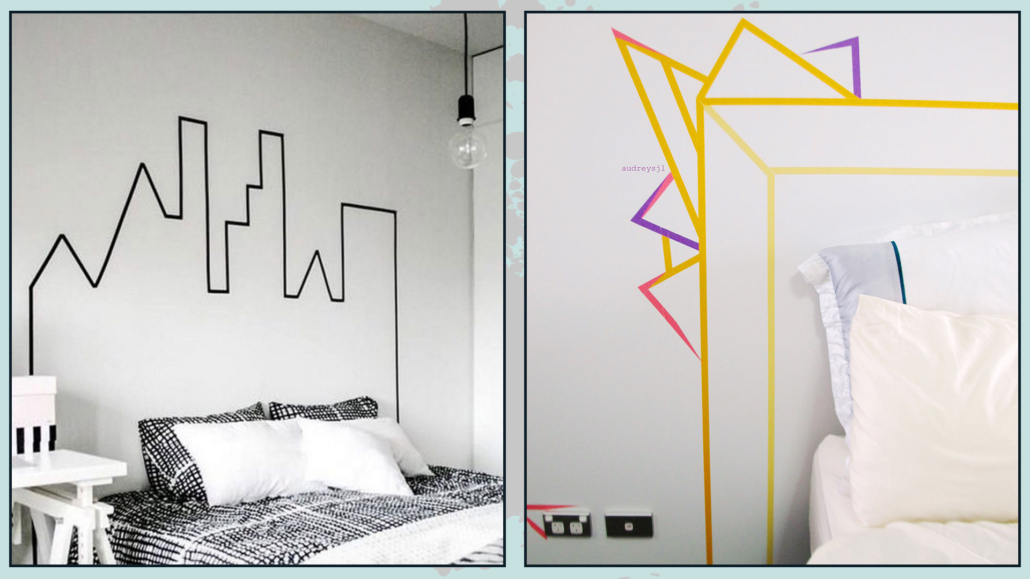
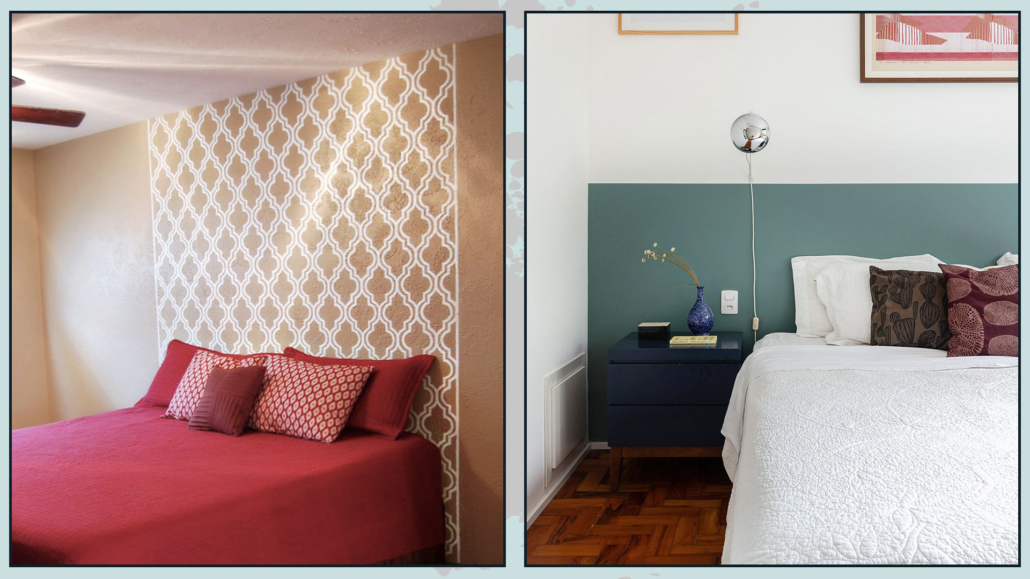
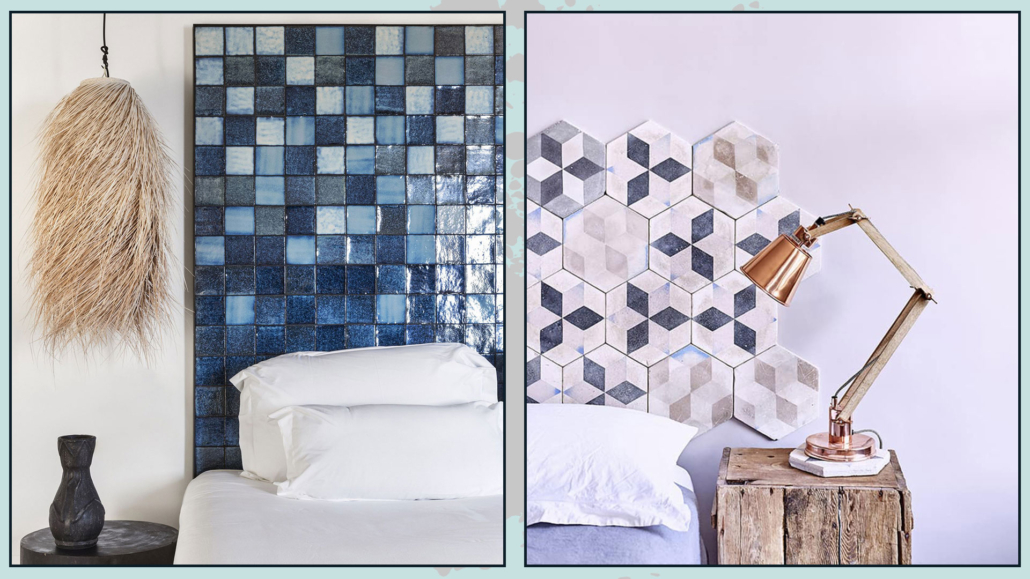
You can decide to have a particular headboard or decorate the wall with a contrasting color with the bed, a wallpaper, a picture gallery, or use the boiserie!

There are many ways to decorate the bed wall; I discuss them here!

However, if entering your room, there is something else you want to “draw attention” to, such as a vanity with a lovely mirror, why not make that the focal point?

(credits: thespruce.com; casamagazine.it)

– BATHROOM

Even in the bathroom, it is paramount to have a focal point to give that extra touch!

Typically, the focal point is the mirror area. 

You can choose to use a distinctive mirror, perhaps backlit, colored tiles with particular textures, but here, too, you could use wallpaper (there are special ones, highly resistant to moisture!)

If entering, the first thing you see is the shower or bathtub area, you could decide to make that area your focal point, always with a particular wall covering that contrasts with the rest of the room in terms of colors, shapes, or materials. 

(credits: il-bagno.it; arredobagno.shop)

The toilet shouldn’t be the first thing you see in a bathroom, but this isn’t always possible!

However, properly studying the focal point can help draw attention to captivating elements while making the rest less prominent!

(credits: pinterest; pianetadesign.it)

As you can see, the focal point is actually crucial in interior design for every room in the house! 

To achieve this, in each room, try to find the best area to create it; remember first to see if there are already architectural elements worth emphasizing.

Then, consider how you want to experience that space and what you want to be noticed first in that room.

Use focal points to draw attention where you want it!

Utilizing contrast, whether it’s in color, shape, or material, is the best way to create effective and impactful focal points.

(I discuss the contrast of the six basic concepts in interior design here.)

Creating a focal point is essential to make that room unique and special!

I hope this article about the most important element in interior design has been helpful and enjoyable for you. If so, let me know in the comments!

Feel free to share it with anyone you think might be interested, I would be honored, and it will help me gain more exposure.

If you feel that your home, or any specific area of it, doesn’t reflect your personality enough, don’t wait any longer and book your consultancy!