Posts

Small spaces don’t have to feel restrictive.

In fact, living in a compact home can be a great opportunity: it encourages you to choose carefully, maximize every inch, and turn your space into a cozy, functional retreat.

What truly matters isn’t the square footage but how you live and design it.

In this article, I’ll guide you through practical solutions, design ideas, and energy-flow tips that can turn even the tiniest home into a space filled with beauty and comfort.

– Smart furniture: when space becomes multifunctional

In small homes, furniture shouldn’t just fill a room; it should solve problems.

A sofa with hidden storage, a bed with built-in drawers, or a folding table that disappears when not in use all save valuable space without sacrificing comfort.

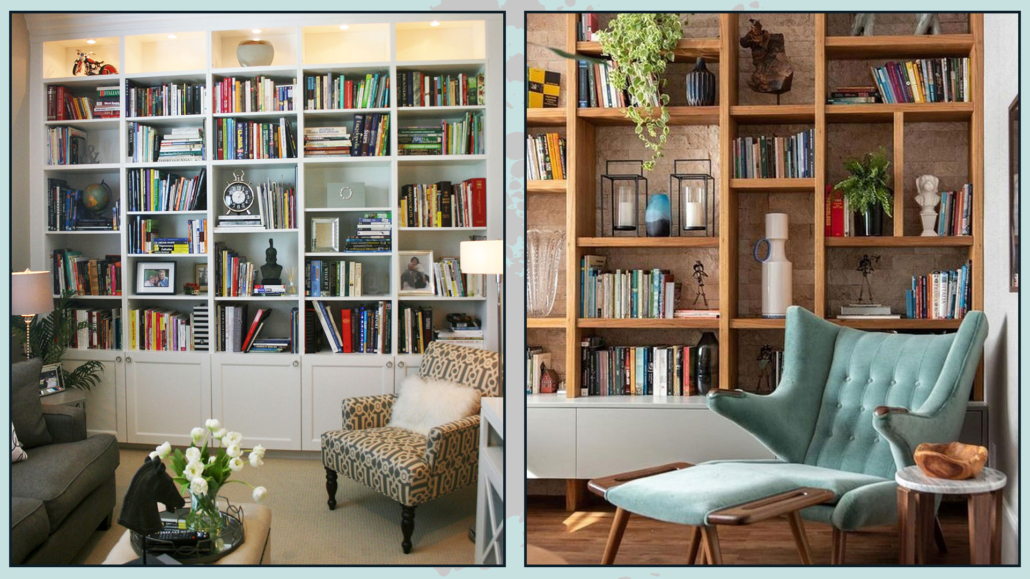
The secret lies in thinking vertically: tall shelves, floor-to-ceiling bookcases, and wall-to-wall wardrobes guide the eye upward, helping rooms feel larger, tidier, and more open.
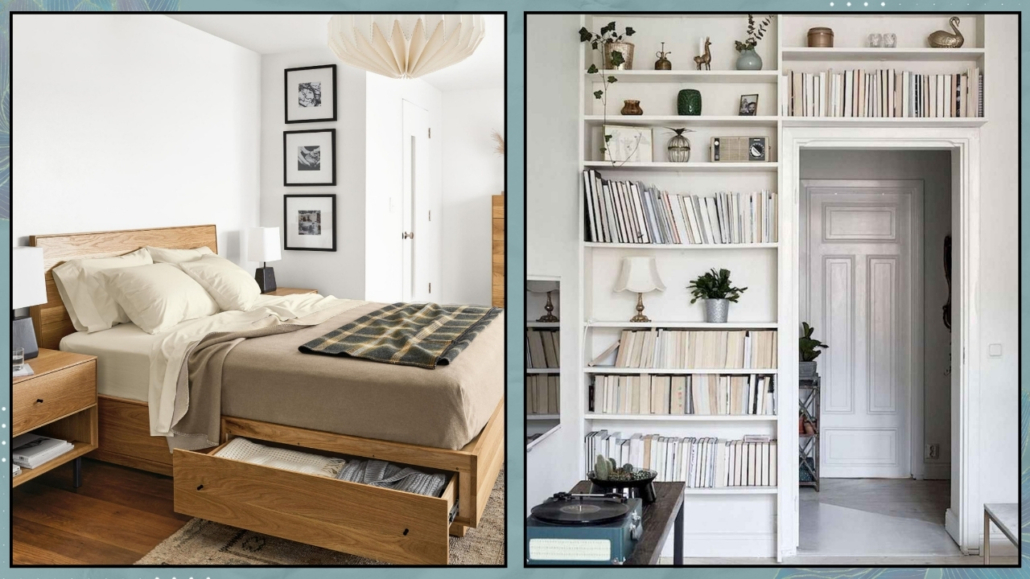
(credits: roomandboard.com; epgplus.com)

– Define zones without walls

Many small homes come with an open floor plan, where the kitchen, living room, and even a work area share the same space.

To avoid a “one big room” feeling, define areas by creating separate spaces without building walls.

A rug under the sofa sets the living zone, while targeted lighting highlights a study corner.

A two-sided bookcase or different wall colors separate areas without closing them off.
Each function has its place, and the space feels more organized and harmonious.
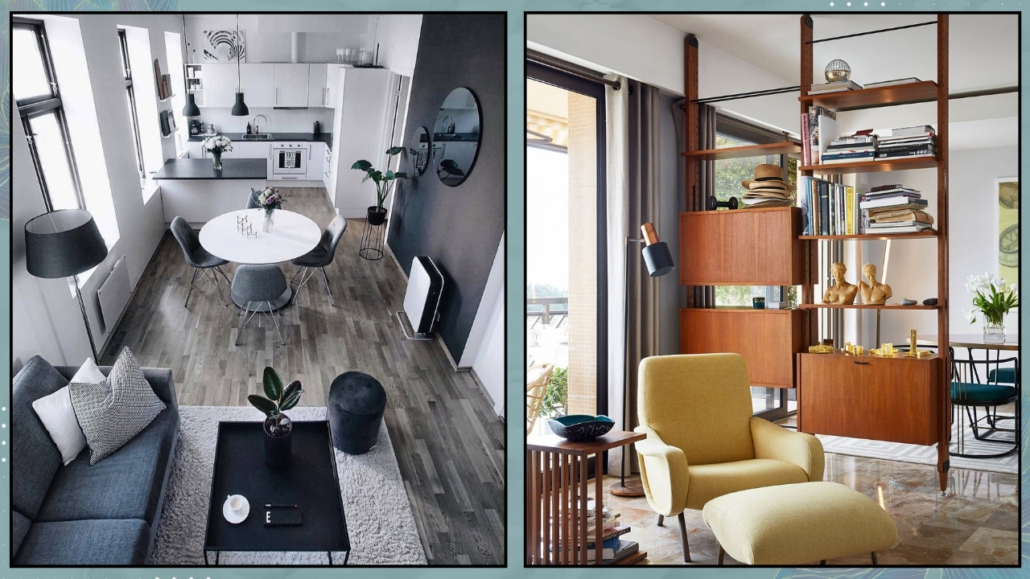
(credits: @egilfarstad; Humber & Poyet)

– Small spaces, big style

Who says you need to sacrifice style in a compact home?

The right choices make a small space feel even more curated and personal.

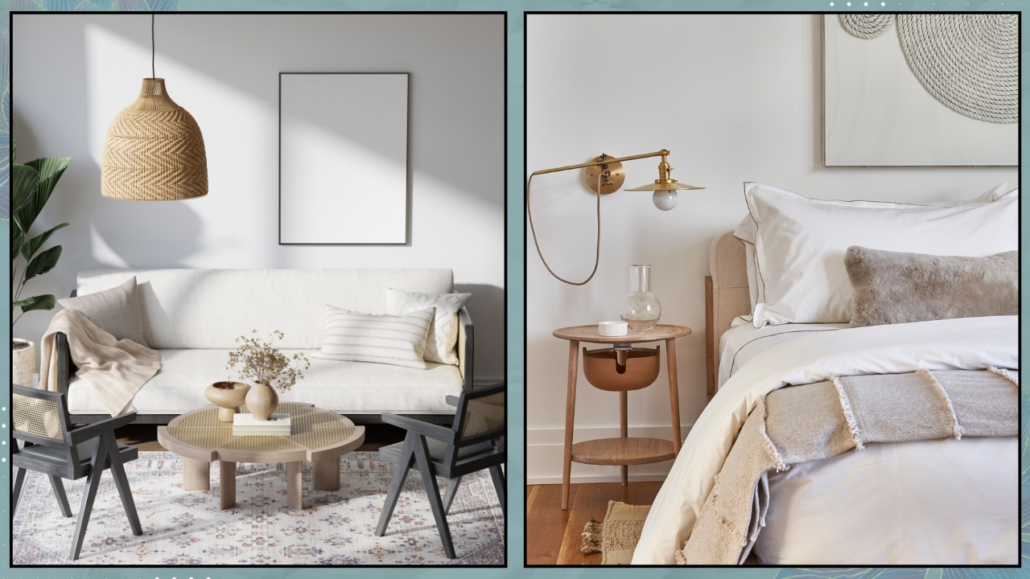
The Japandi style is especially fitting.

It combines Japanese minimalism with Scandinavian warmth, featuring clean lines, natural materials, and a few carefully chosen pieces.

Perfect for small homes, as it creates a sense of openness and calm.

Modular design also works wonders: extendable tables, stackable chairs, and sectional sofas adapt easily from a quiet evening to a dinner with friends.
(credits: canva; sissyandmarley.com) 

– Bedroom: the compact comfort zone

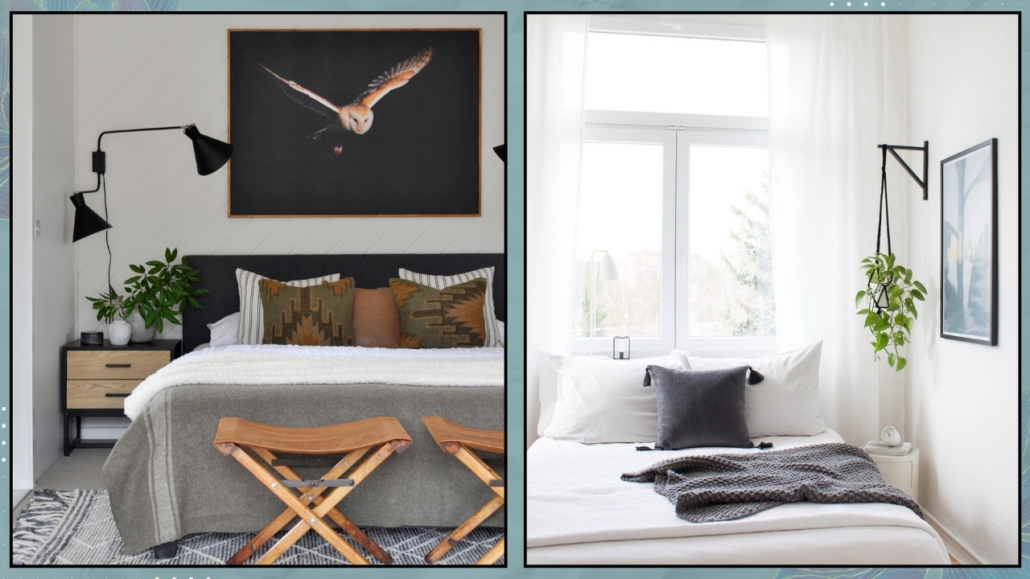
Even in a small bedroom, comfort should remain your focus.

Go for a storage bed, floating nightstands, and sliding-door wardrobes to maximize every inch.

Light, soothing colors, and minimal contrasts help the room feel open, while sheer curtains hung high near the ceiling enhance natural light and visually expand the space.

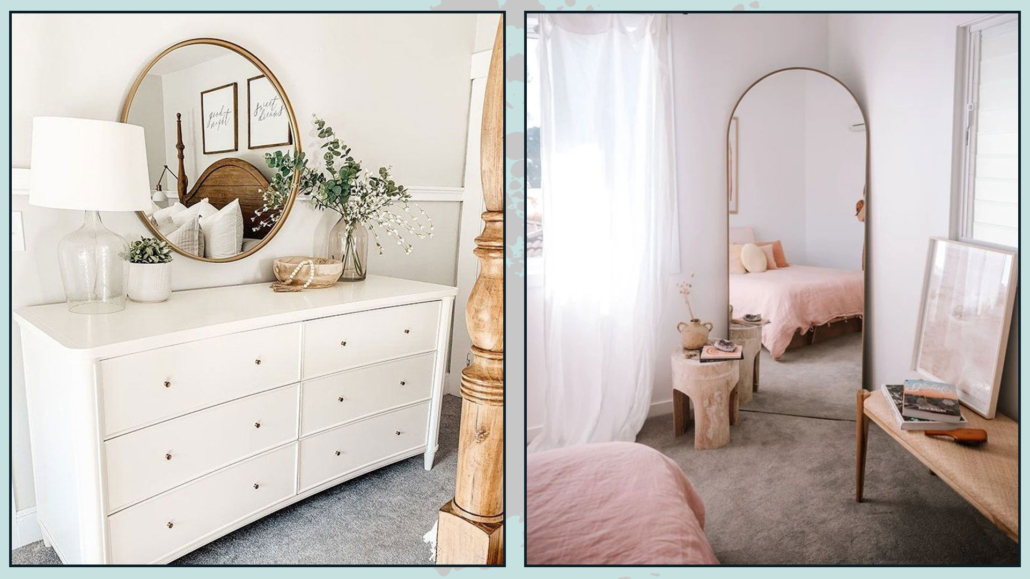
A well-placed mirror (never reflecting the bed) adds depth, while coordinated linens and natural fabrics create a peaceful retreat.
(credits: stylecurator.com.au; bloglovin.com)

– Compact kitchen, beating heart of the home

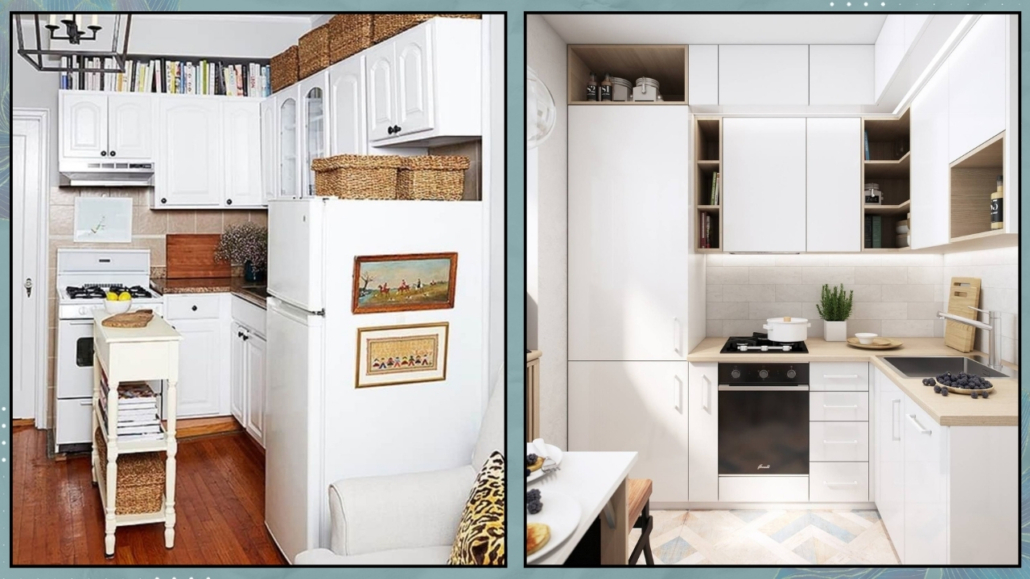
Even the smallest kitchen can feel inviting and practical.

Choose smart storage: full-height cabinets, hooks and magnetic bars for utensils, slim carts, or rolling trolleys.

With folding tables or pull-out counters, you can set up a dining area without losing precious space.

Light colors and reflective finishes brighten the room, while well-planned artificial lighting prevents shadows.

Clear countertops and organized cabinets keep the kitchen efficient and pleasant to use.
(credits: blog.decorsteals.com; moovdesign.it)

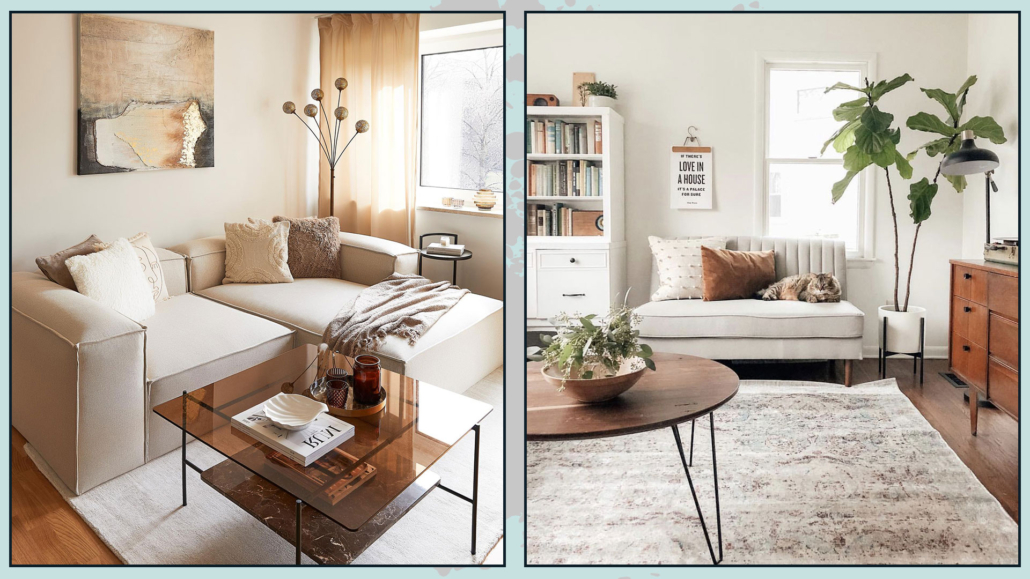
– Small yet cozy living room

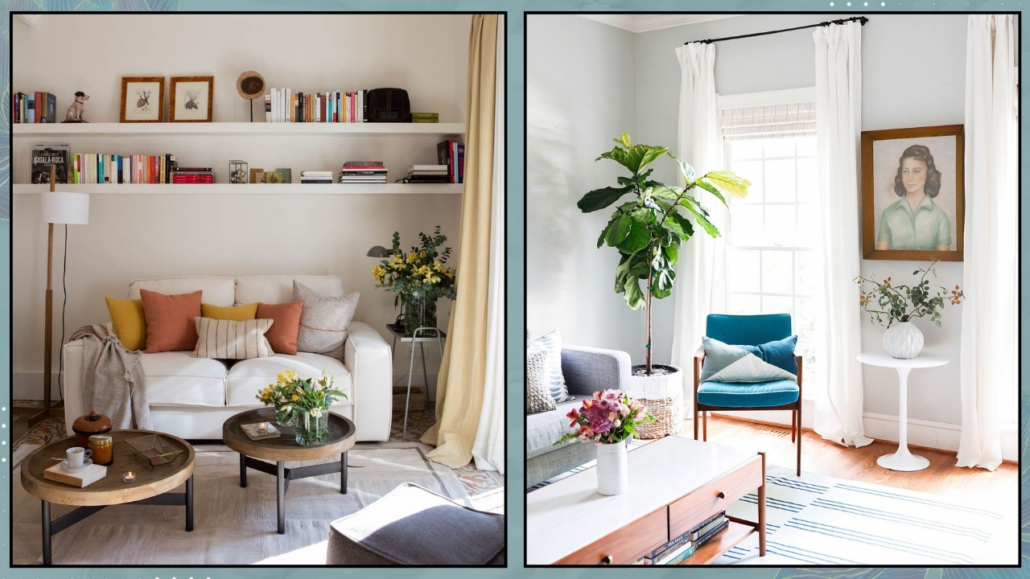
The living room remains the heart of the home, even in a small space.

The main risk is clutter, so be selective: opt for fewer pieces that feel comfortable and fit the space.

A slim sofa, a light armchair, and a round coffee table with soft edges help the space flow and create an inviting atmosphere.

Plants are excellent allies—they purify the air, bring freshness, and boost positive energy.

Even a small vase of greenery on the table can make a difference.
(credits: Pia Capdevilla; sunnycirclestudio.com)

– Tiny bathroom, everyday wellness

A small bathroom can still feel like a mini spa.

Here, organization is key: slim wall shelves or recessed niches free up floor space, making the room feel lighter.

Coordinated containers for products and accessories help keep everything under control.

A large mirror brightens and expands the space, while a consistent, light-toned palette makes the bathroom both functional and relaxing.
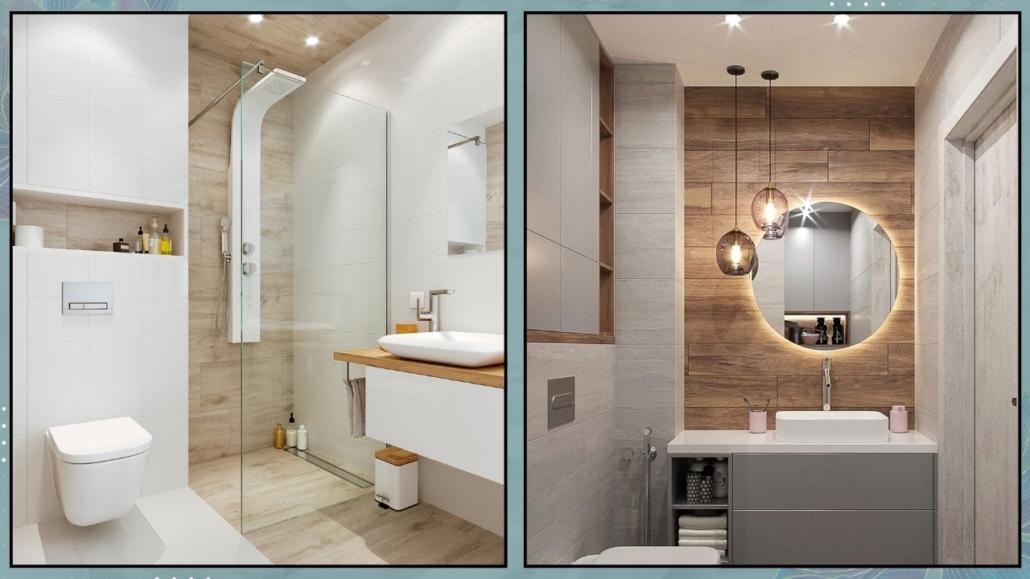
(credits: leroymerlin.pl; screwfix.com)

– Balconies and terraces: an outdoor oasis

Balconies often end up as storage spaces, but with a few thoughtful touches, they can transform into relaxing outdoor spaces.

A folding table, compact chairs, and vertical planters create the perfect spot for breakfast or evening relaxation.

Soft lighting (string lights or lanterns) adds a cozy atmosphere after sunset.

You don’t need much: just a few thoughtful choices can turn even the smallest balcony into a green oasis in the city.
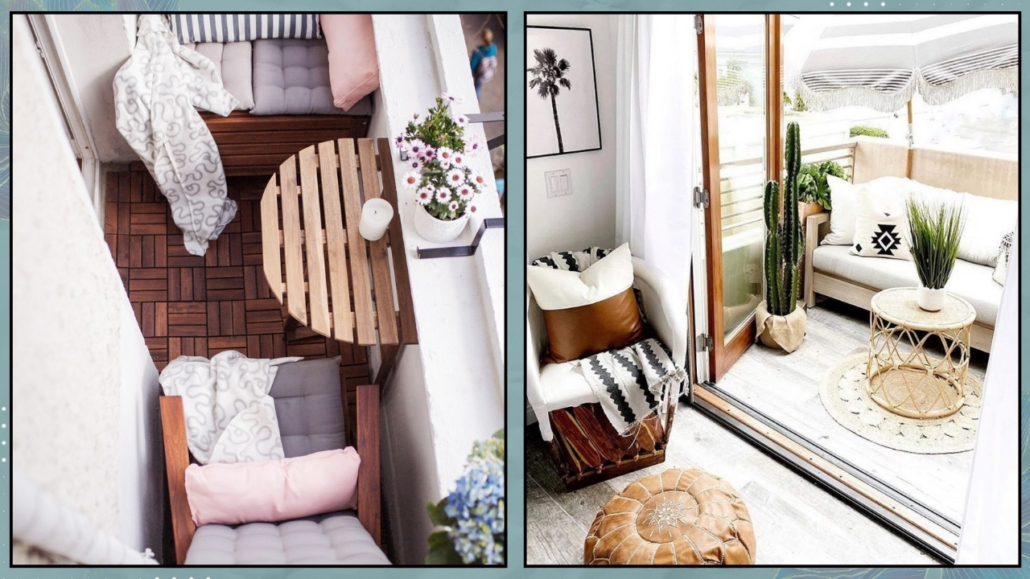
(credits: bekleidet.net; @pernillevinge)

– The energetic touch: 5 elements in small spaces

No matter the size of your home, don’t forget the five Feng Shui elements: Wood, Fire, Earth, Metal, and Water.

Balancing them—even with colors, textures, or small objects—brings harmony.

  • Wood: plants, natural wood furniture
  • Fire: candles, warm lights, red accents
  • Earth: ceramics, natural textiles, beige tones
  • Metal: mirrors, chrome, or gold details
  • Water: shades of blue, black, or small decorative fountains

Even in a compact space, these elements nurture your home with vital energy and turn it into a true sanctuary.

feng shui piccoli spazi

(credits: gabrielepoggiali)

– Conclusion

Small spaces, huge possibilities.

A compact home teaches you to live with intention, to choose what truly supports you, and to create comfort without excess.

With clever furniture, clearly defined areas, a touch of style, and mindful energy, even the smallest home can become a welcoming, character-filled nest.

Ready to transform your own space?

You don’t need a complete overhaul—just a few mindful steps.

Book a consultation, and I’ll guide you through every stage of the journey.

If you love the “small spaces” topic, you can find an entire session here on my YouTube Channel
Today, I want to go back to the topic of small homes and small spaces, because they can be really challenging to furnish.

They need to be functional, but of course, they also need to be comfortable and beautiful!

So, let’s take a look at the essential elements you need when you have limited space at home.

LIVING ROOM

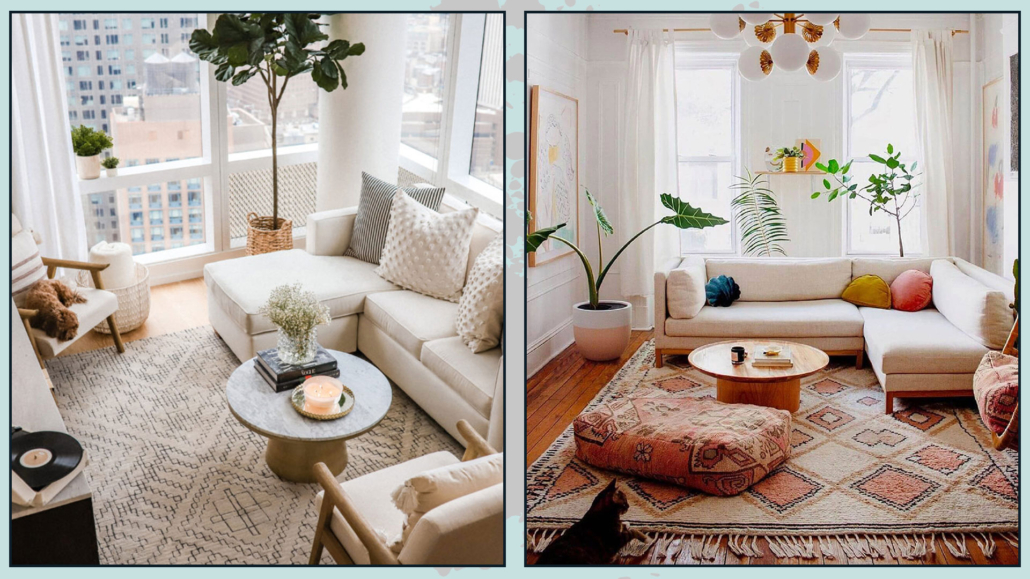
1 – SOFA

If your living room is really small, you probably won’t have room for a three-seat sofa, let alone armchairs or additional seating. You may only have space for a small sofa.

It is essential that your sofa is properly proportioned to the space.

So, the very first thing you need to do is take accurate measurements of the entire relaxation area.

Since you have limited space, the sofa will most likely be placed against a wall. Once you have identified the right area, measure the maximum wall length available for the sofa.

Don’t forget to take any coffee tables or lamps into account!

Whenever possible, choose a sofa with a chaise longue that can be used as an extra seat, or add an ottoman.

Sectional sofas can also be an excellent solution for filling a corner and making the most of your available space!

If you often have guests, then a sofa bed is definitely worth considering.

Besides size, it will also be important to choose a shape and, above all, a material that best suits your home style.

Keep in mind that the sofa is one of the most important pieces of furniture in a living room, and in a small home, it could become the focal point!


(credit: westwingnow.it; Pinterest)

ORIGINAL IDEA:

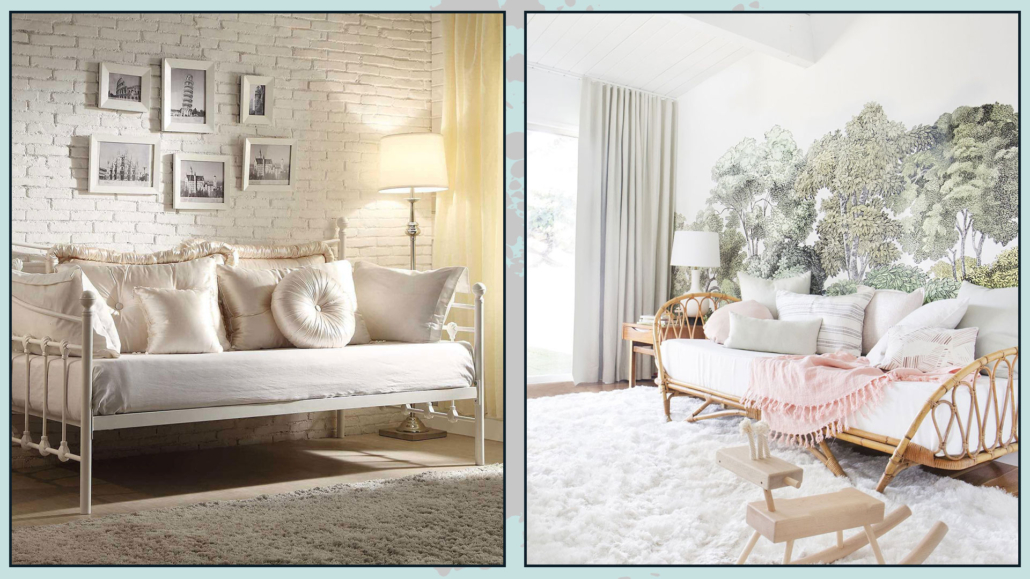
You could even use a bed as a sofa!

This could be especially convenient if you live in a studio apartment, because your sofa would also be your bed, without having to open and close it every time.

And if you have a separate bedroom, it could double as a guest bed!

All you need to do is add some large, comfortable cushions to serve as a backrest and style it like a sofa!


(credit: triplejfurniture.com.au; stylebyemilyhenderson.com)

2 – SWIVEL CHAIR

If you have enough space to add an extra seat, why not choose a swivel chair?

Having a central base instead of the usual four legs will make the chair feel visually lighter and take up less visual space.

Plus, if you have a nearby dining area, you can directly swivel the chair around to “move” from one area to the other!

In small spaces, multifunctional pieces are key to creating functional and harmonious environments.

So, look for pieces that can serve more than one purpose!

Choose a chair that reflects who you are and adds that extra special touch to the room!


(credit: elle.com; westelm.in)

3 – RUG

In small spaces, where everything is close together, it is important to create a clear visual distinction between different areas.

A beautiful rug that separates the living area from the dining area can therefore be essential.

The rug should, of course, be properly proportioned to the space, the sofa, and any additional seating.

Choose a rug in a tone similar to the flooring, so that the different areas are visually defined without creating overly sharp boundaries.

Sharp visual boundaries, in fact, tend to make a space feel smaller (I talk about this in my article on the 5 mistakes people make when furnishing small homes – here in video version).

(credit: Margaret Boatner; @reserve_home)

DINING ROOM

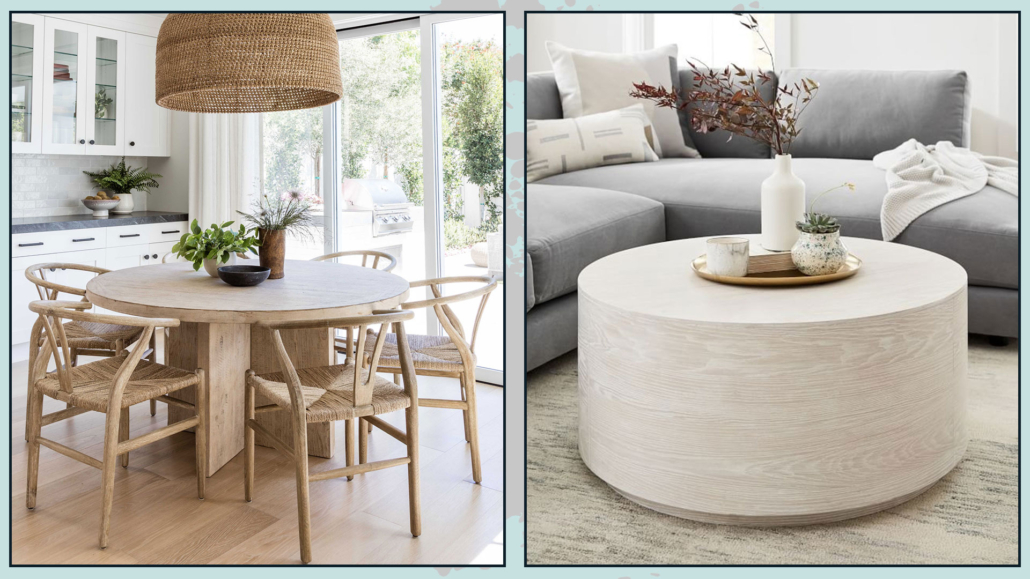
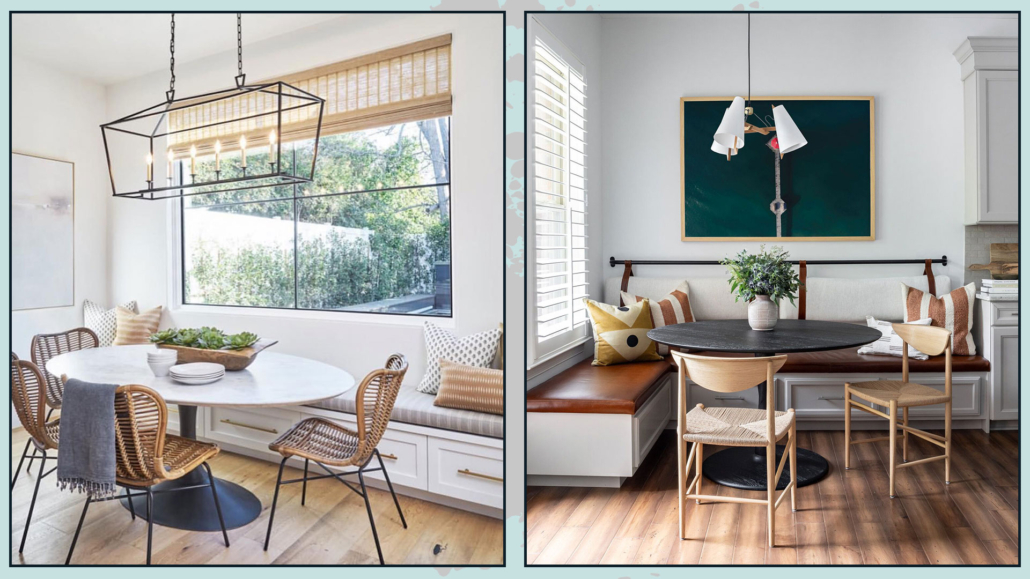
4 – ROUND TABLE

In small spaces, a round table is often a better choice because, without any corners, it is easier to move around and use.

Not only that, but a round table can also accommodate at least one extra person compared to a rectangular table of the same size.

Even better, if the table has a single central pedestal instead of the traditional four legs, everyone will have more room and be more comfortable!

The same principle applies to coffee tables: a round shape takes up less visual space.


(credit: puresaltinteriors.com; aptdeco.com)

5 – BENCH

In small spaces, there may not be enough room between the table and the wall to fit chairs and move around comfortably.

Ideally, you should have at least 90 cm (about 35 inches) of clearance. (I talk about the measurements that really matter here.)

If that is the case, a good solution is to place a bench against the wall.

This will give you more usable space for seating.

Just make sure to choose a bench without armrests, so it is easier to get in and out.

And needless to say, if you choose a bench with built-in storage, you will also gain some extra storage space!


(credit: @melissa_shapiro_interiors; studioalyse.com)

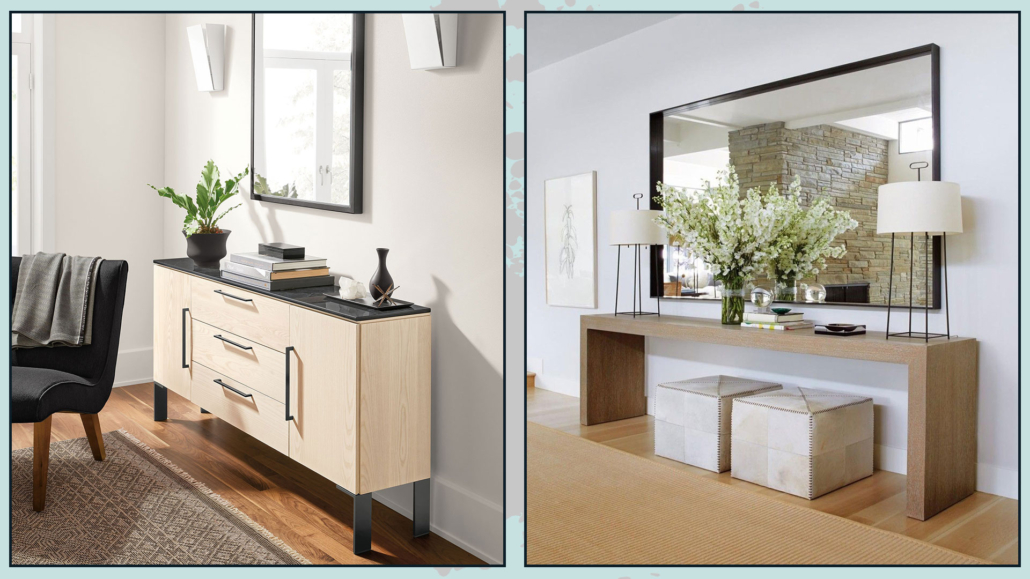
6 – SIDEBOARD / CONSOLE TABLE

A sideboard or console table can be an essential piece of furniture.

You can place it in the entryway as a catch-all and a decorative element, but it can also be especially useful in the dining area as storage.

And let’s face it, we always need more storage space!

The key is to choose a console table or sideboard with legs, as these pieces feel visually lighter than those that sit directly on the floor.

If you choose a console table with plenty of space underneath, you could use that space to store a few ottomans. They can provide extra seating when you have guests, but when they are tucked away, they don’t take up any precious space!

And don’t forget that the top is the perfect place to display beautiful and eye-catching arrangements of your favorite objects!

(credit: roomandboard.com; Christina Perry)

BEDROOM

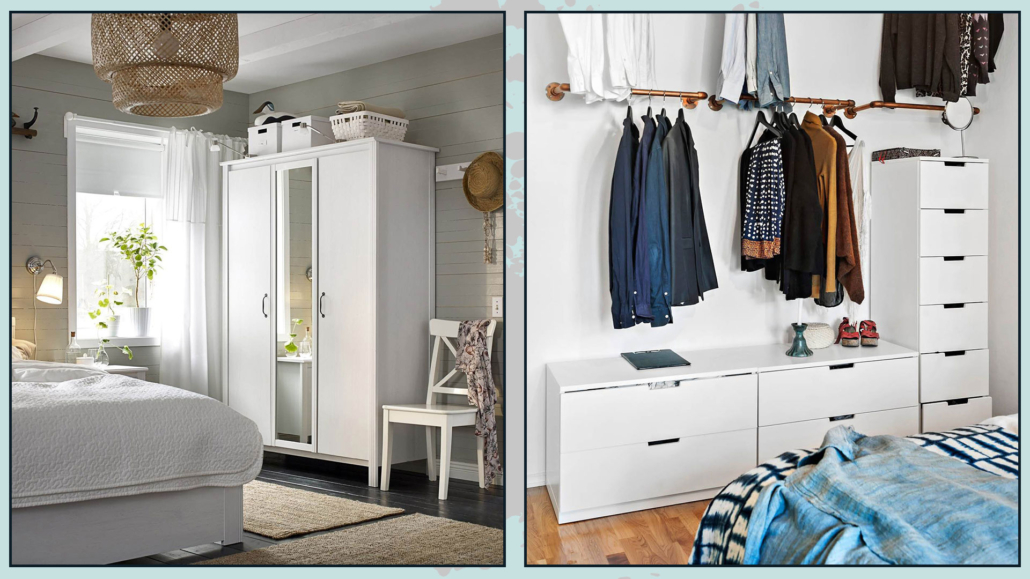
7 – TALL WARDROBE

A wardrobe is one of the essential pieces of furniture in a bedroom, along with the bed.

Just like with the sofa, start by identifying the wall where you want to place the wardrobe. Then take accurate measurements and choose the largest wardrobe that will fit the space.

Choose one that is as tall as possible to maximize your storage space.

Be careful to account for doors, windows, and other elements that need to open freely and remain easy to access.

If the space is really small, opt for a wardrobe with sliding doors.

To make the room feel visually larger, choose a wardrobe with legs. It will feel lighter and less bulky!

If you like a more casual, playful look, you could also opt for a clothing rack and open shelving.

You will need to keep everything very organized, but choosing an open wardrobe system will definitely make the space feel more open.


(credit: Ikea; Diakrit)

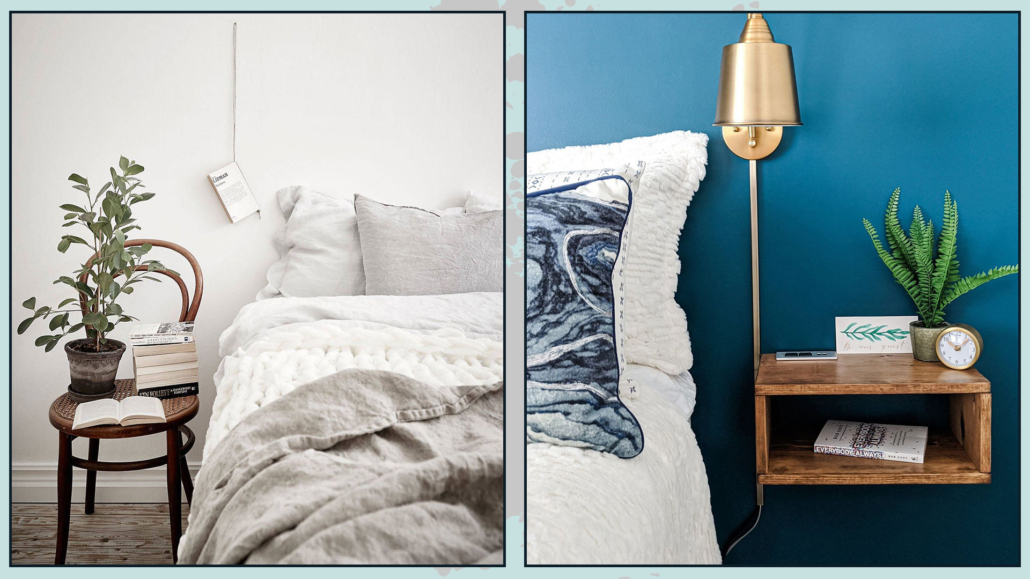
8 – NIGHTSTANDS

Having limited space is no excuse for not having nightstands!

Nightstands are essential for keeping your phone, a glass of water, a book, or an alarm clock within reach.

If space is limited, there may not be room for traditional nightstands, but there are plenty of different solutions, such as a simple shelf!

You could also choose a small stool. There are no strict rules—in the end, what matters is having a surface, even a small one, where you can place the essentials.

(credit: greydeco.se; craftedbythehunts.com)

ORIGINAL IDEA!

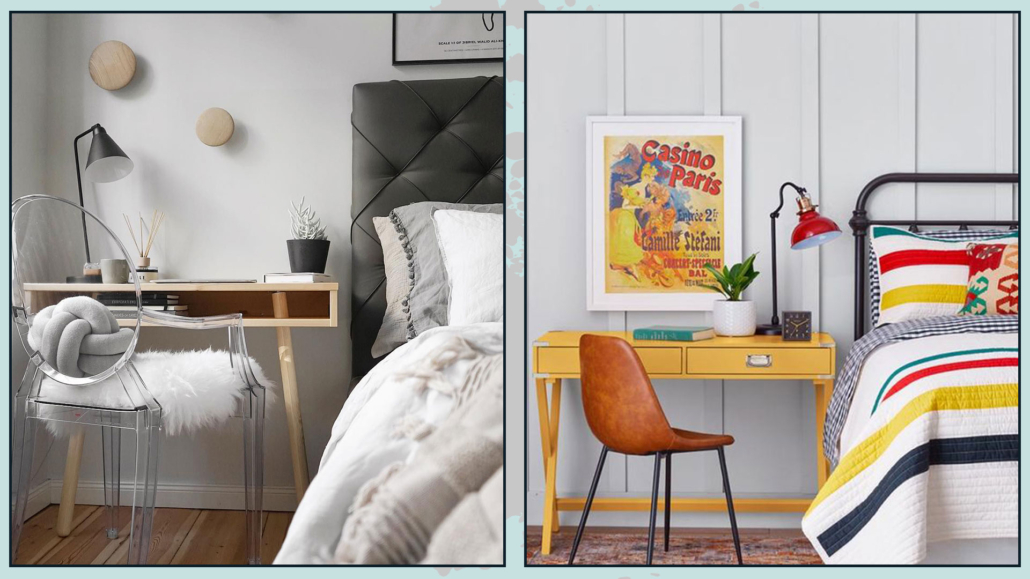
If you need a small home office area, you could consider replacing one of the nightstands with a small desk if the space allows.

This multifunctional piece will help you make the most of your space without taking up valuable floor space!


(credit: @tthese_beautiful_thingss; hgtv)

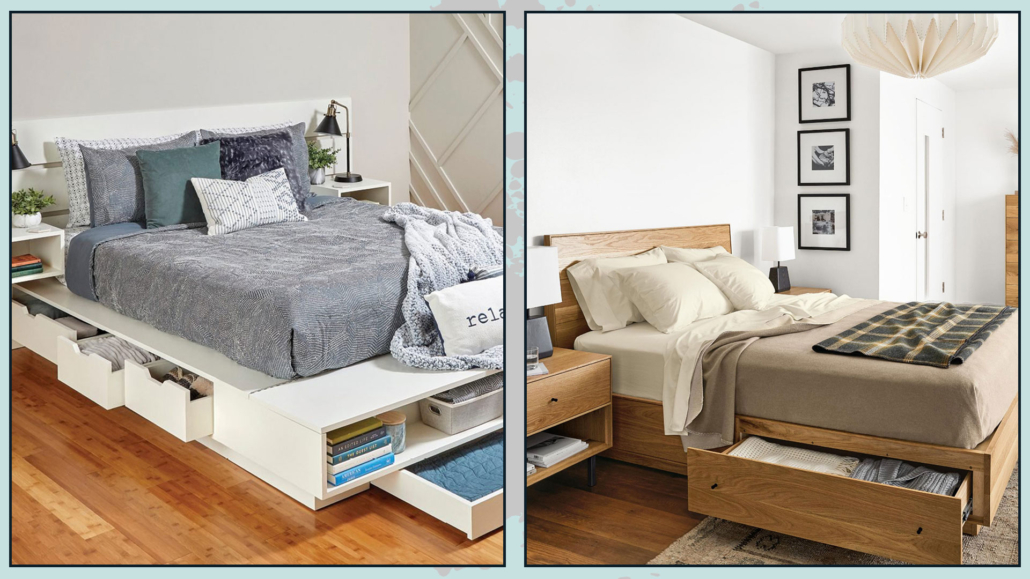
9 – STORAGE BED

As we all know, you can never have too much storage space!

A storage bed can really make a difference, giving you extra space to store bed linens and blankets.

And once again, remember the legs: even raising the bed slightly off the floor can help keep the space from feeling too heavy.


(credit: familyhandyman.com; roomandboard.com)

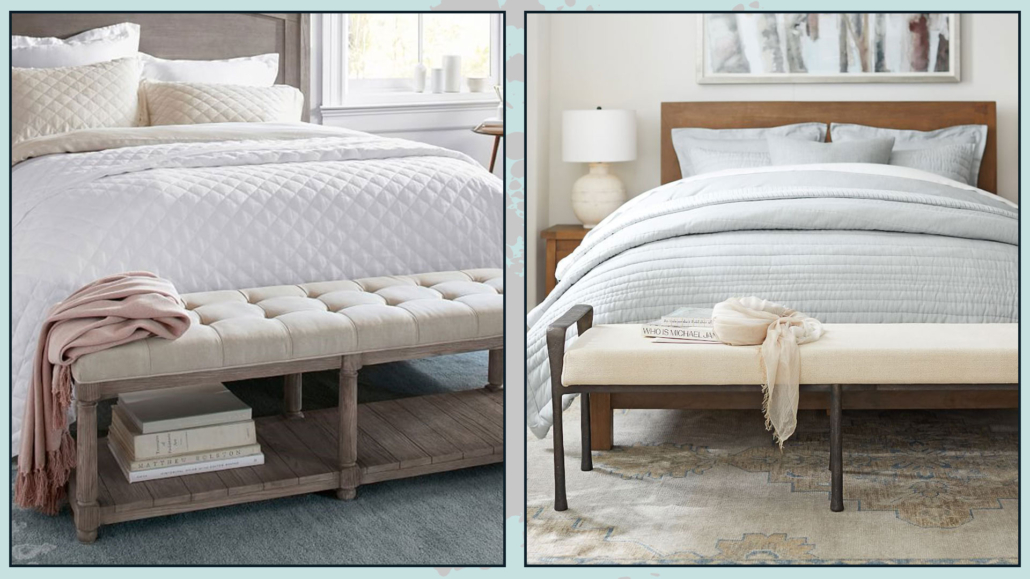
10 – BENCHES

If you have enough space, especially because you chose a wardrobe with sliding doors, it could be a great idea to place a storage bench at the foot of the bed.

You will have extra storage space.

It also provides additional seating!

For a well-balanced look, the bench should be slightly lower than the mattress and slightly narrower than the bed.

(credit: potterybarn.com; aptdeco.com)

IN GENERAL

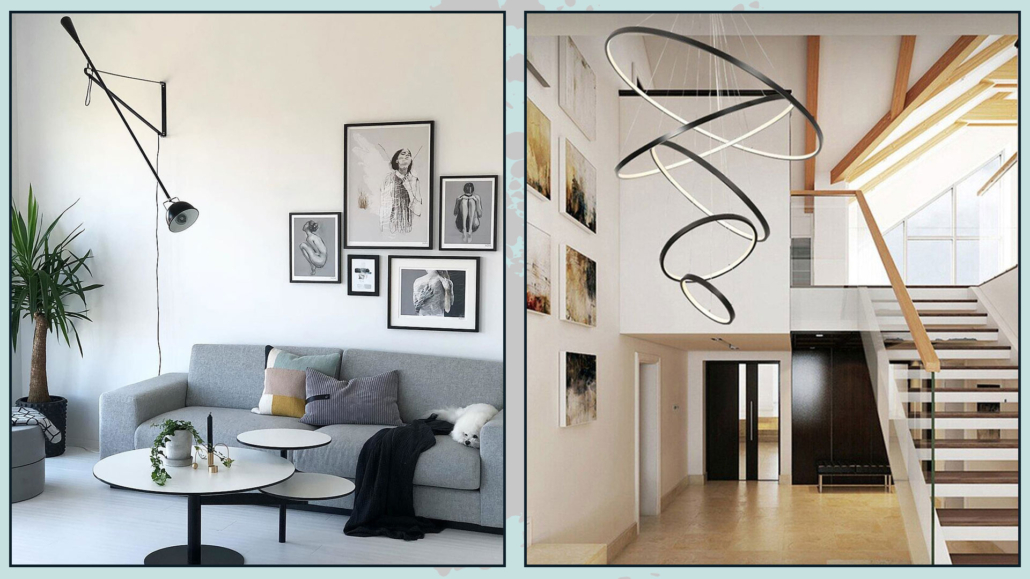
11 – CEILING LIGHTS AND WALL SCONCES

Ceiling lights and wall sconces provide proper lighting without taking up valuable floor space!

They can make a space feel larger and add a real touch of style to the room.


(credit: medium.com; focaldecor.com)

12 – MIRRORS

I’ve talked about this before: mirrors reflect light (and more than just light), so they can help make small spaces feel larger.

The key is to position the mirror so that it reflects a tidy part of the room or, if you’re lucky enough to have one, a beautiful view outside!

A mirror with a beautiful frame can also become an important decorative element, just like a beautiful painting.

Unlike a painting, however, a mirror reflects light, making the space feel larger!

(credit: Micheala Diane Designs; songofstyle.com)

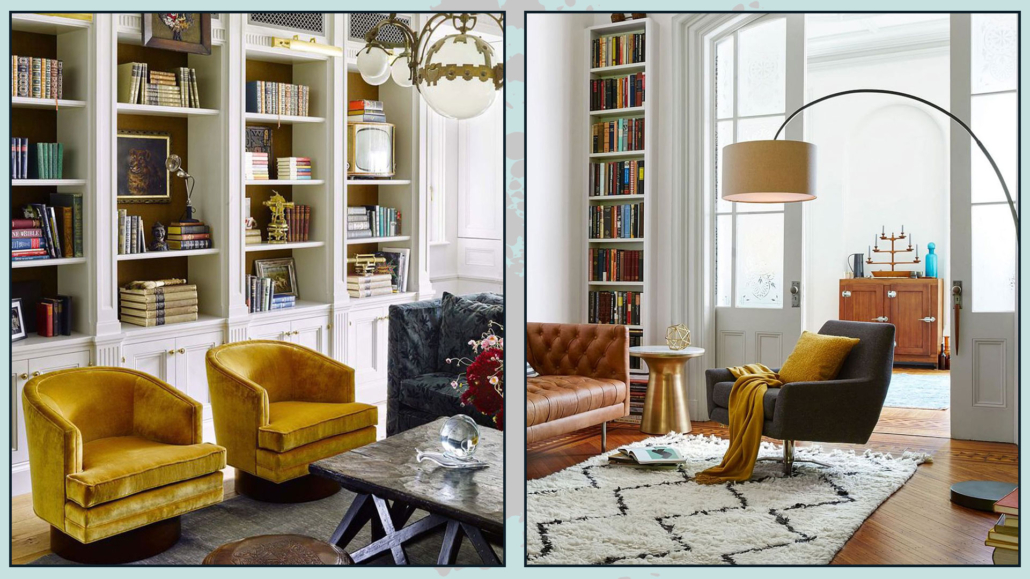
13 – TALL BOOKCASES

Whether it’s in the living room, entryway, hallway, or bedroom, a bookcase is an essential piece of furniture that can work almost anywhere!

When you have limited space, it is important to choose bookcases that are as tall as possible. The taller, the better!

There are two reasons for this:

– You make the most of your available space.

– A floor-to-ceiling piece can make the room feel larger.

You can choose a bookcase with drawers or closed cabinets at the bottom to store things you don’t want on display, while using the other shelves to showcase your favorite books and meaningful objects. (I talk about how to decorate a bookcase here.)

You can also use a bookcase as a room divider between two areas, creating a little privacy wherever needed.


(credit: aewee.top; but.fr)

When you have limited space, it is truly important to make the most of every inch so that you can enjoy a home that is both functional and comfortable.

I hope you enjoyed this article! Let me know what you think in the comments.

If you’d like to share it with someone who might find it helpful, I’d be honored—and you’ll also help more people discover my work!

If you’d like a consultation for your home, don’t hesitate to contact me!