
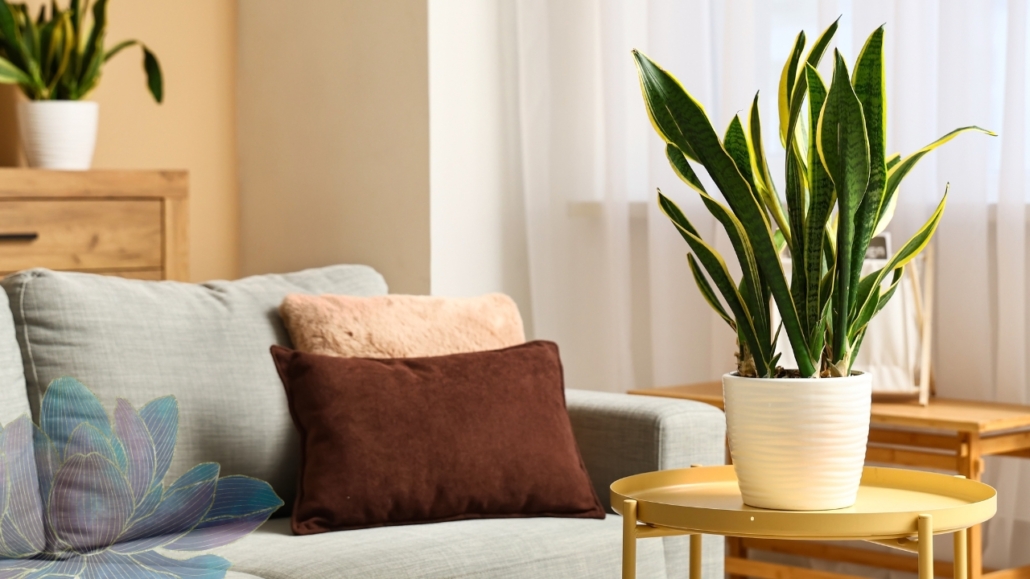
Do you think that our home is tiring? Here’s why—and what to do about it.
Have you ever walked into your house and felt a tiredness you couldn’t explain?
You haven’t done anything particularly exhausting, yet your body feels heavy, your mind foggy, and your mood low.
It’s a subtle feeling, almost awkward to admit: “I’m tired… but I don’t know why.”
What if the cause isn’t inside you, but around you? What if your home itself is draining your energy, without you even noticing?
A home is a living ecosystem. It breathes, communicates, and reacts.
It sends signals your body senses long before your mind does.
These signals are invisible but powerful. When they pile up, they sap your energy rather than restore it.
In this article, I’ll help you recognize them one by one—and turn them into allies.
No big renovations needed—just small, mindful, and gentle actions.
1) Too many visual stimuli: the clutter you can’t see but feel
You don’t need a “messy” house to feel overwhelmed.
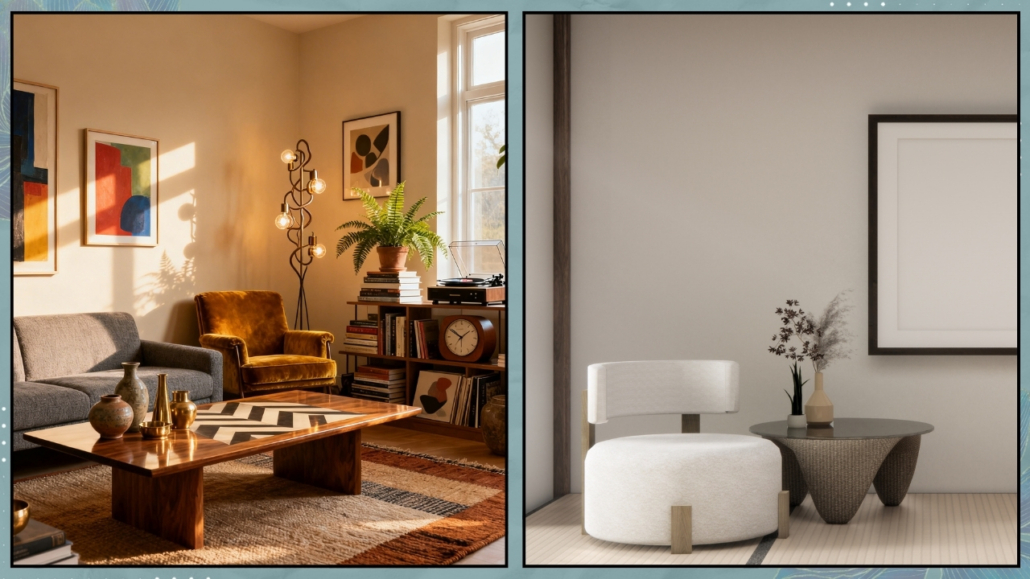
Sometimes visual clutter is what tires you out: crowded surfaces, competing colors, objects that don’t make sense together, intersecting lines.
When the brain takes too many stimuli, it remains in “scan mode”: analyzing, checking, interpreting.
It never fully relaxes.
Visual clutter is one of the most common reasons a home feels tiring, even when it’s spotless.
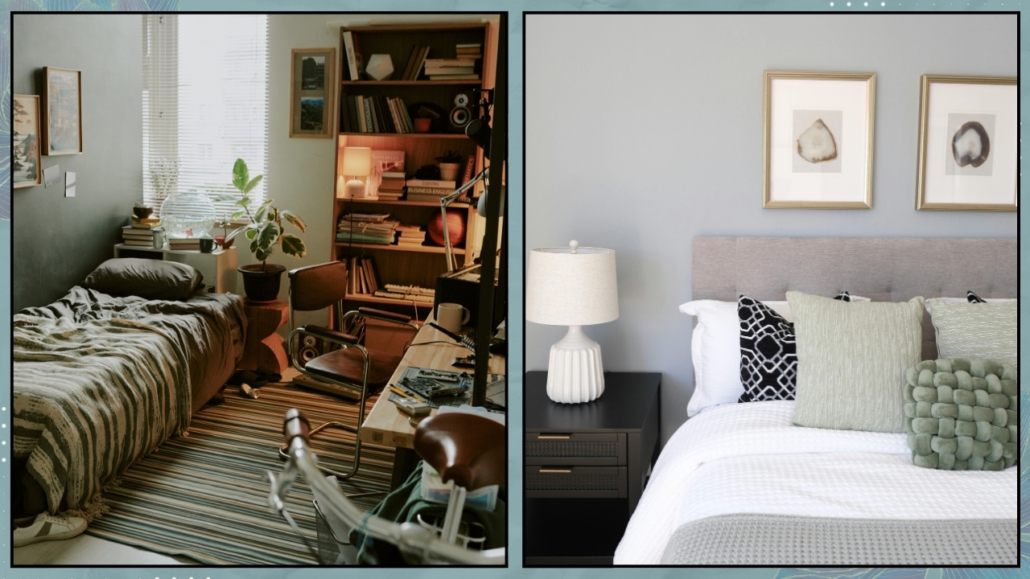
(Credits Canva)
How to lighten it up: choose one surface to clear.
Just one.
A shelf, a nightstand, a corner.
Create a visual breathing space and notice how your energy shifts.
2) The wrong lighting: when your environment speaks to your nervous system
Light is a powerful language. Too cold, too harsh, or too dim lighting can:
- Irritate
- Strain your eyes
- Make it hard to focus
- Increase feelings of fatigue
Lighting doesn’t just illuminate—it influences your nervous system.
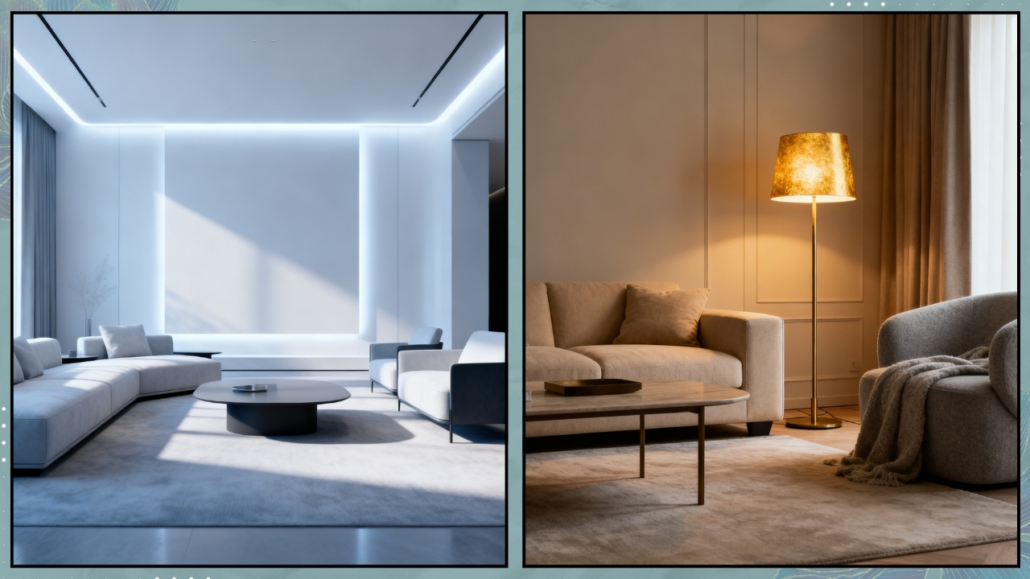
(Credits Canva)
To create a more balanced space: use warm-toned lighting, layer different light sources, and position lamps to create a cozy atmosphere.
Avoid the “interrogation spotlight” in the center of the room.
The difference is immediate.
3) Spaces that no longer fit your life
Homes stay the same while you change.
When a space no longer reflects who you are today, it feels “old” or stagnant.
Maybe:
- You work from home but don’t have a proper workspace
- Your habits have changed, but the layout hasn’t
- There’s a room you no longer use
- Furniture belongs to an old version of you
A tiring home is often one that hasn’t evolved with you.
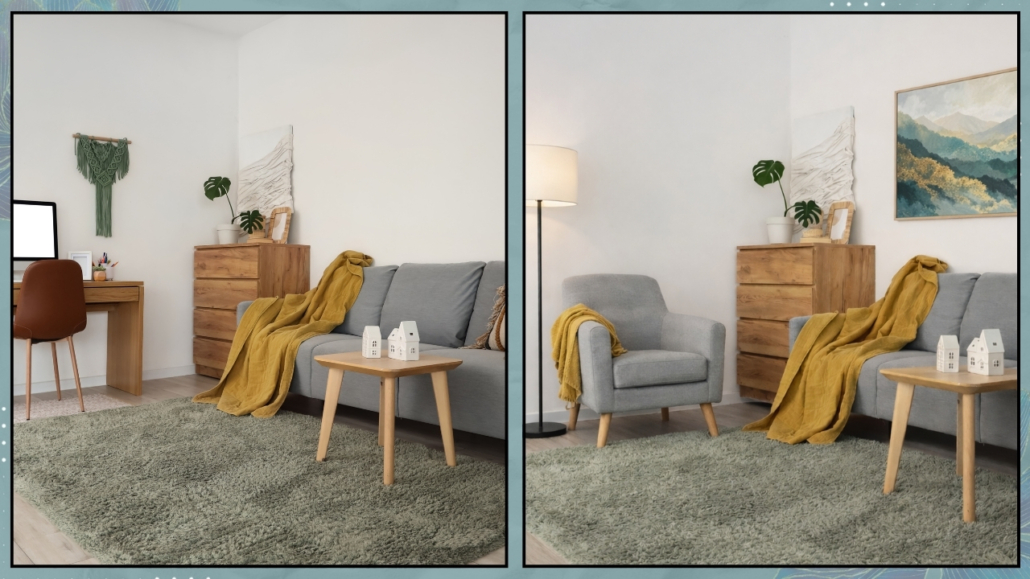
(Credits Canva + ChatGpt)
How to realign: you don’t need to redo everything.
Sometimes moving a piece of furniture, repurposing a corner, or updating a small detail is enough.
It’s a symbolic gesture that says: “I’ve changed, and my home comes with me.”
4) Objects carrying emotional weight
Some items don’t weigh much physically—but they carry emotional baggage.
- Gifts that don’t feel yours
- Memories that hurt
- Things you keep “out of obligation.”
- Items linked to ended relationships or tough periods
Every time you see them, your body registers a micro-tension.
A little wound that reopens.
And without realizing it, you live in a home that drains you by constantly reminding you of emotions that no longer serve you.
(Credits Canva)
How to let go: start with one object at a time.
Thank it, acknowledge what it represented, and then release it.
It’s not rejection—it’s self-care.
5) Lack of energetic anchors
A supportive home is a welcoming home.
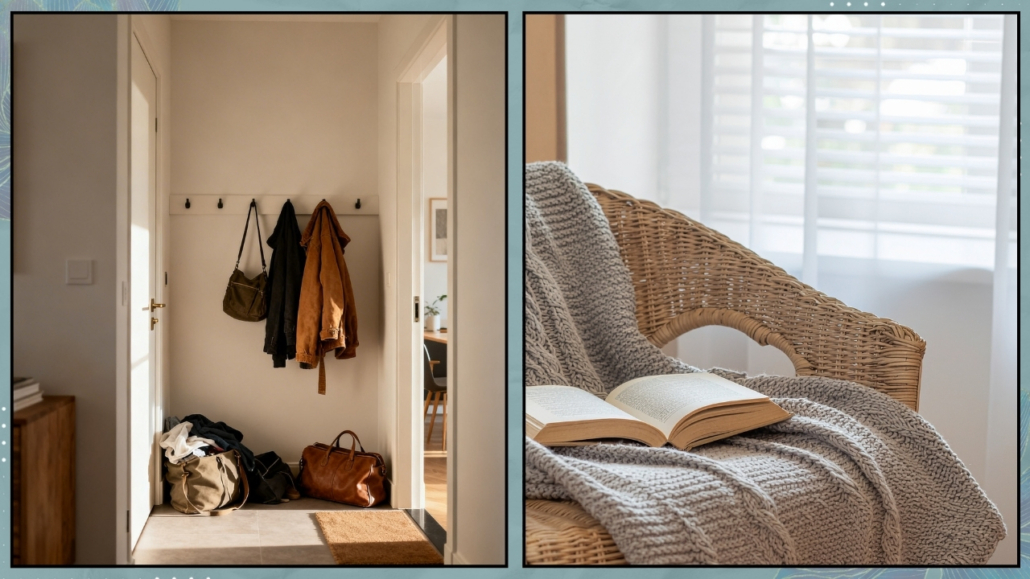
Without a place to “land,” your body stays on alert.
Maybe you’re missing:
- A corner that’s all yours
- Something to set things down when you come home
- Some small arrival ritual
- A space that lets you breathe
(Credits Canva)
How to create support: pick a micro-space—even a tiny one—as your anchor.
A chair, a shelf, a corner with a plant.
A space that tells you: “Here, you can pause.”
6) Noise and sounds that stress the body
We might not notice them, but the body does.
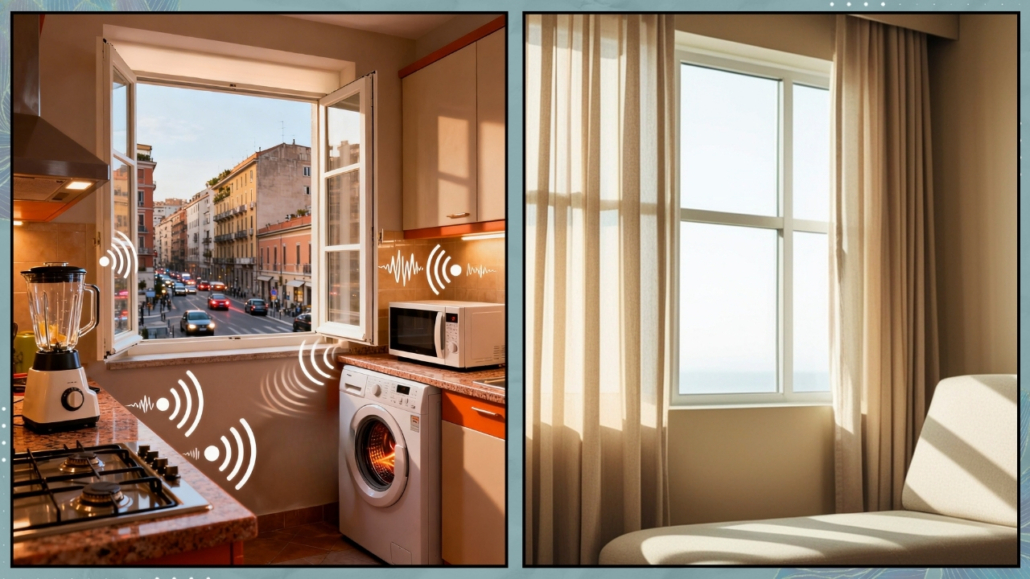
- Buzzing appliances
- Echoes in empty rooms
- Traffic
- Vibrations
- Intermittent sounds
Your nervous system stays on “alert,” as if something could happen at any moment.
A draining home is often a noisy home—even when it seems quiet.
(Credits Canva)
How to soften it: add fabrics, rugs, curtains, and soft materials.
Introduce natural sounds such as water, wind, and soft music.
Your body responds immediately.
7) Lack of nature
The body recognizes what is alive.
Without nature, you miss out on a subtle but essential form of nourishment.
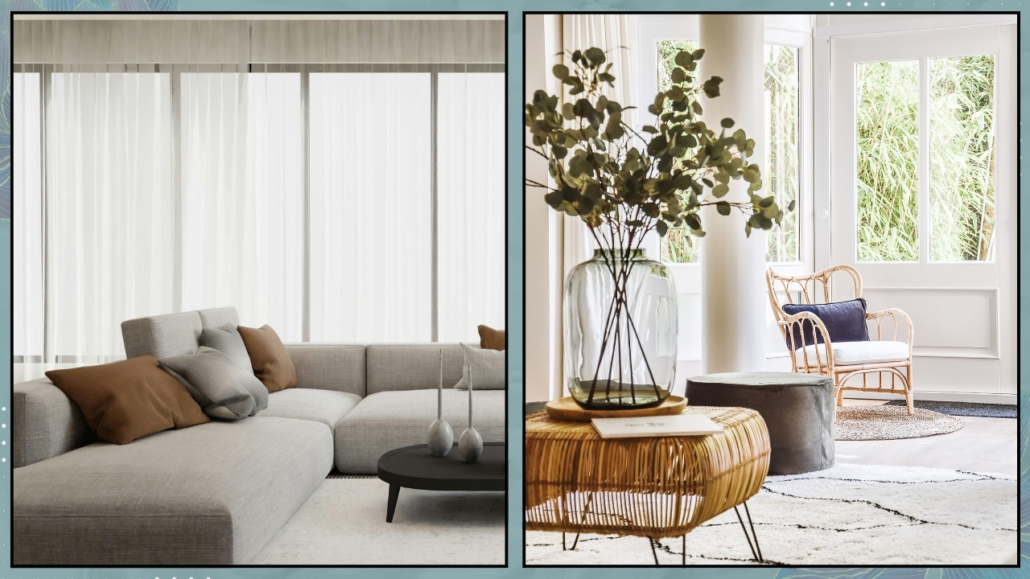
Plants (real is best, but a well-made artificial one works too)
- Natural light
- Natural materials
- Earthy colors
- Organic shapes
Without these, a home can feel “empty,” even if it’s full of things.
(Credits Canva)
How to nourish: add a plant, open the windows more, and choose natural materials.
Even a single living element can transform the atmosphere.
– Your home as an ally
A home isn’t just a container.
It’s an organism that supports you, talks to you, and accompanies you.
You don’t need a complete overhaul to feel better.
Start with one signal.
Just one.
Change a detail, and the energy shifts.
Change the energy, and your inner state shifts.
When you change, your home shifts with you.
It’s a continuous dialogue made of small gestures.
Gestures that are ultimately acts of self-care.
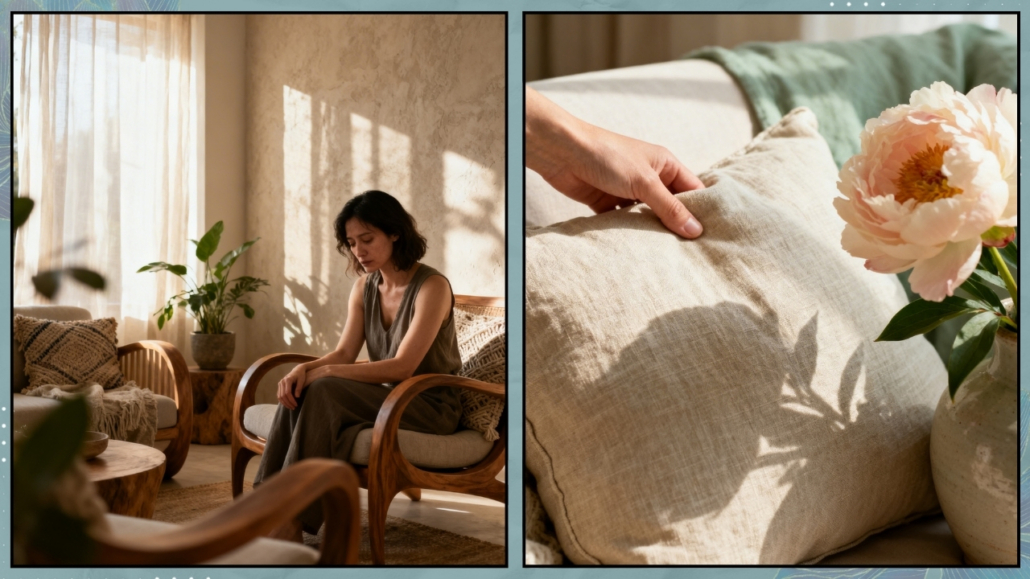
(Credits Canva)
– Want to identify which of these signs are present in your home?
If your home is tiring you, but you don’t know where to start, I can help you:
- Spot the invisible signs in your home
- Understand which ones are most urgent
- Find simple, practical, sustainable solutions
- Transform your home into a place that truly supports you
Message me or book a consultation: we’ll start with one small gesture, and let it open the way.
This post is also available in: Italian


Leave a Reply
Want to join the discussion?Feel free to contribute!