
In a world that constantly asks us to do more, achieve more, and perform more, having an authentic home that reflects who you are, supports you, and allows you truly to recharge has become more important than ever.
And yet, more and more often, we create homes with our eyes alone.
Beautiful homes to look at.
But homes that don’t really tell our story.
We live surrounded by images. We scroll through Pinterest and Instagram and see photos of perfect homes where everything seems to fit together effortlessly, and nothing is out of place.
Then we look around our own spaces and feel something difficult to describe.
A mix of dissatisfaction and inadequacy.
We wonder why our homes don’t look like the ones we see online.
So we start saving image after image, creating boards filled with perfect kitchens, immaculate living rooms, and magazine-worthy bedrooms.
Then, when it’s finally time to design our own home, we often find ourselves trying to recreate exactly what we’ve seen online.
But an authentic home should never be a copy of a photograph.
It should tell your story.
It should reflect your habits, your needs, and your way of living.
Because the real goal isn’t to have a perfect home.
It’s to have a place where you truly feel at home.
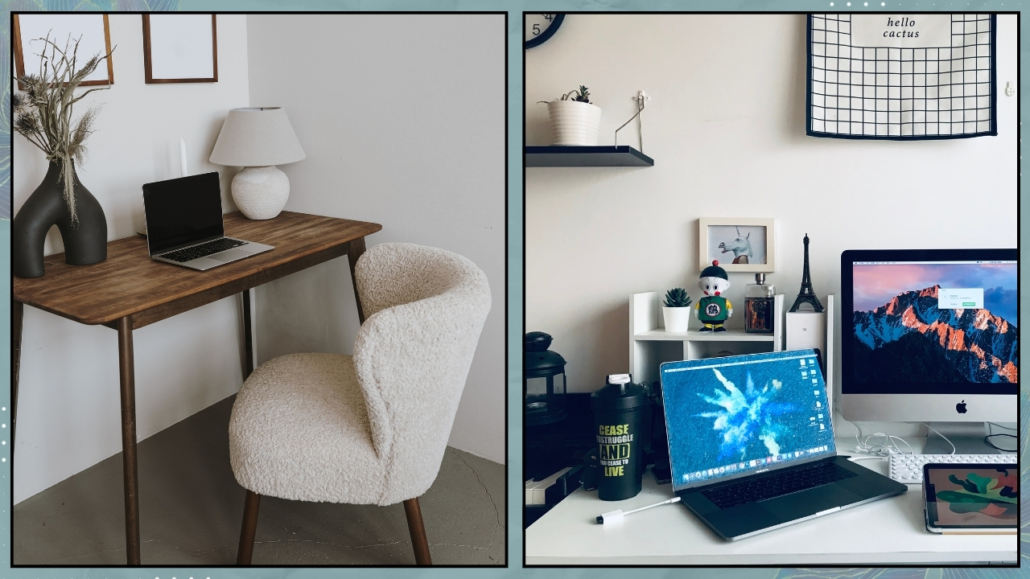
(Credits: Canva)
– Pinterest and Instagram don’t show real life
The images we see online are often beautiful.
They’re carefully styled, perfectly lit, and photographed at exactly the right moment.
The reality is that many of them are essentially sets designed to be admired rather than lived in.
Even when they are real homes, they capture a single moment, not everyday life.
Most importantly, they rarely tell us much about the people who actually live there.
That’s why copying a room you’ve seen online rarely delivers the result you’re hoping for.
And even when a space genuinely reflects the person who lives in it, we need to remember that what works perfectly for someone else may not work for us at all.
An authentic home should support you every day.
To do that, you must design it around your real habits, your senses, and your natural rhythms.
Otherwise, it risks becoming a beautiful shell that leaves you feeling like a guest in your own home.
None of this means you should stop looking at beautiful interiors.
It simply means using them for inspiration rather than imitation.
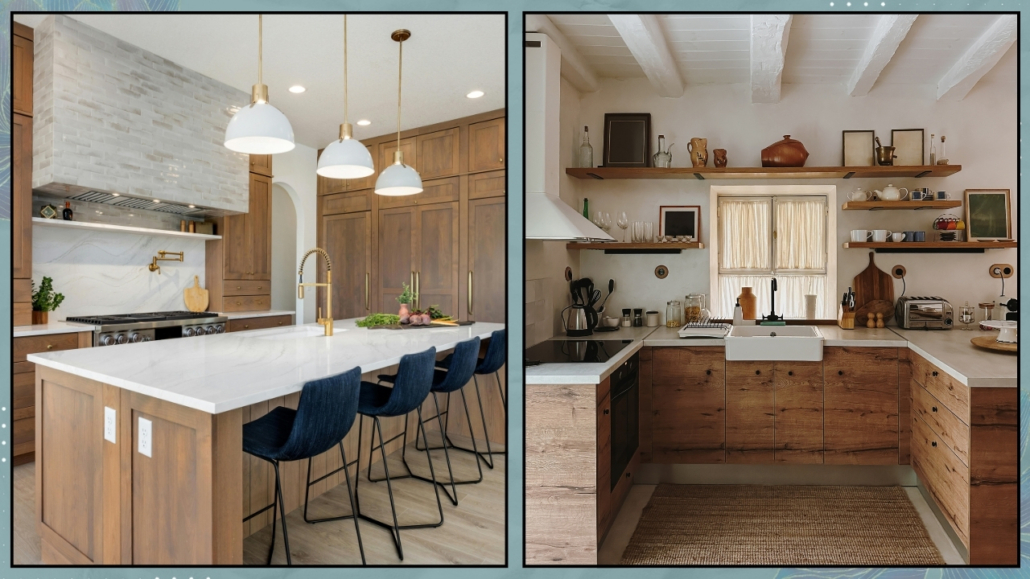
(Credits: Canva)
– Before choosing a style, observe yourself
One of the first things I learned as an interior designer is that people often arrive convinced they already know what style they want.
They tell me they love Scandinavian design, contemporary interiors, rustic spaces, or modern aesthetics.
But once we start talking, something much more interesting usually emerges.
They’re not really looking for a style; they’re looking for a feeling.
Some people want to feel welcomed after long, demanding days.
Others crave lightness, order, and simplicity.
Some dream of a home that feels calm and grounding, while others seek energy, creativity, or inspiration.
I’m sure the same is true for you!
So before choosing furniture, colors, or design styles, pause for a moment.
Grab a notebook and ask yourself a few questions we rarely consider when designing a home.
- “How do I want to feel when I walk through the front door?” Pay attention to the emotions and sensations that come up. Your answer will reveal what your home truly needs to provide.
- “How do I move through my home? What daily rituals matter most to me?” This question helps you identify what you can’t live without and create spaces that genuinely nourish you.
- “What tells my story?” An authentic home isn’t afraid of memories. That inherited piece of furniture that isn’t trendy, the imperfect travel souvenir, or the artwork you chose simply because it spoke to you—these are often the details that break uniformity and bring warmth and personality into a space.
- “Which colors and materials make me feel good?” Colors don’t need to follow trends. They need to support your well-being. Notice which colors, textures, and materials make you feel protected, energized, relaxed, or restored.
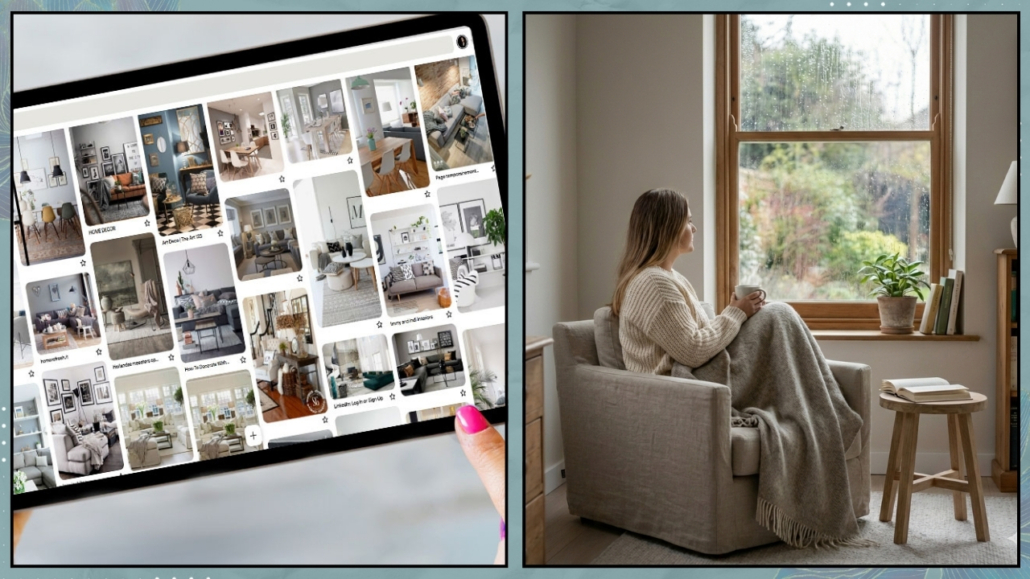
(Credits: Canva; Gemini)
– The images you save already reveal something about you
There’s a simple exercise I often recommend.
Open Pinterest or Instagram and look at the images you’ve saved over the past few months.
Don’t focus on the furniture or decorative objects right away.
Look at the atmosphere.
Pay attention to the feelings those images evoke.
You may discover that even though they belong to different styles, they all share something in common.
Perhaps they convey tranquility, freedom, elegance, comfort, or simplicity.
Chances are, what attracts you isn’t a specific style at all.
It’s an emotion.
And that emotion should become the starting point of your design project.
Once you’ve identified that feeling, look more closely.
What keeps appearing: colors, materials, shapes, or textures?
These recurring elements are valuable clues. They suggest that something about them resonates with you and reflects who you are.
When you start reading images this way, you stop copying them and begin understanding them.
And that makes all the difference.
It’s the difference between finding inspiration and losing yourself in imitation.
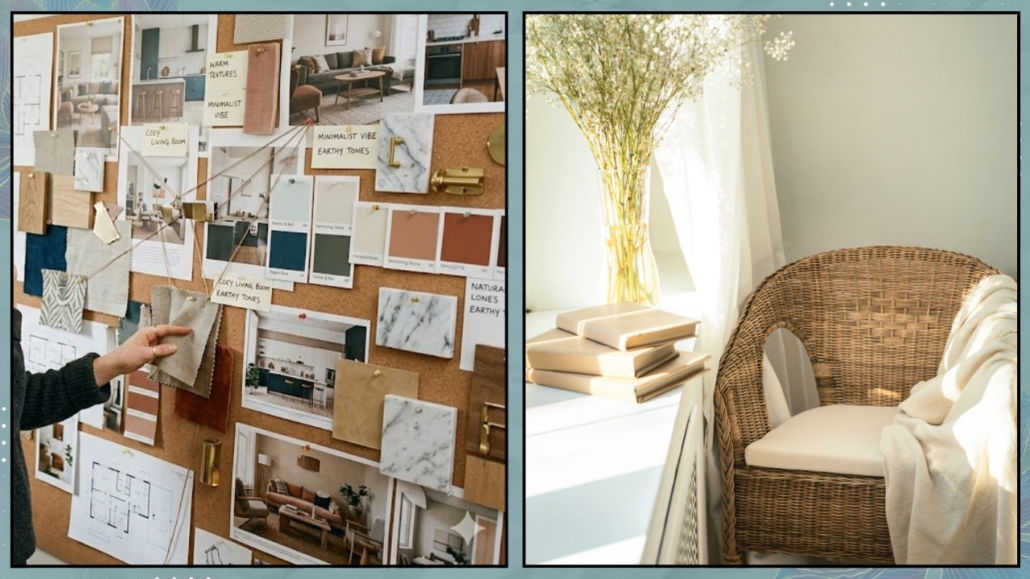
(Credits: Canva)
– An authentic home is built through conscious choices
Finding your style doesn’t mean inventing something nobody has ever seen before.
It doesn’t mean rejecting trends or ignoring inspiration from the outside world.
It means learning to choose consciously, asking yourself, for instance, whether a particular color truly represents you.
Whether a material feels right.
Whether a design solution supports the way you actually live.
An authentic home doesn’t have to be perfect.
In fact, it’s healthy and realistic to allow yourself some imperfection.
A lived-in home is a beautiful thing.
It’s a space where objects move, books pile up on the nightstand, and evidence of real life is visible.
A place where people live, love, grow, and change.
That’s what makes a home truly authentic.
And authenticity is what makes it special.
When a home is aligned with the person who lives there, you can feel it immediately.
There’s harmony, ease, and a sense of truth that no trend can ever replace.
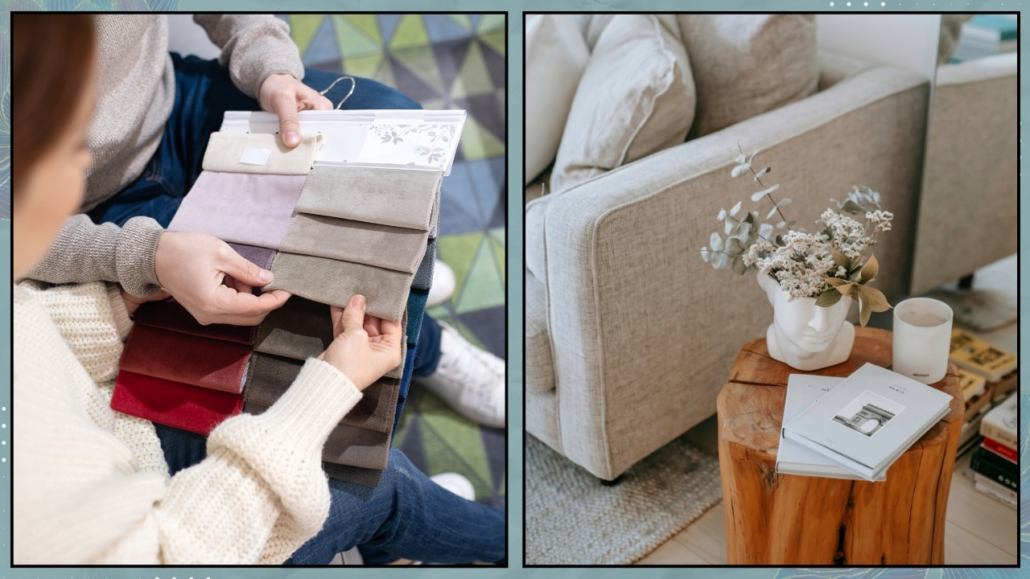
(Credits: Canva)
– The real luxury is recognizing yourself in your spaces
As I mentioned earlier, we live in a time when we’re constantly exposed to images of beautiful homes.
It’s easy to believe that our goal should be to achieve that same level of perfection.
But perhaps real luxury today is something else entirely.
Perhaps real luxury is walking into your home and feeling represented.
Recognizing yourself in the spaces you’ve created.
Feeling that every choice has meaning.
Knowing that every room tells part of your story.
We can have a home that perfectly follows every current trend and still feel uncomfortable in it.
Or we can have a home that genuinely reflects who we are and finally feel like we’re exactly where we belong.
The difference isn’t found in perfection, but in a home’s ability to reflect us.
Trends change.
Styles evolve.
The images filling Pinterest and Instagram today will be replaced by new ones tomorrow.
A home designed around the person who lives in it, however, continues to work over time.
It evolves with the individual rather than with changing fashions.
Following trends doesn’t create an authentic home; paying attention to what makes us feel good does.
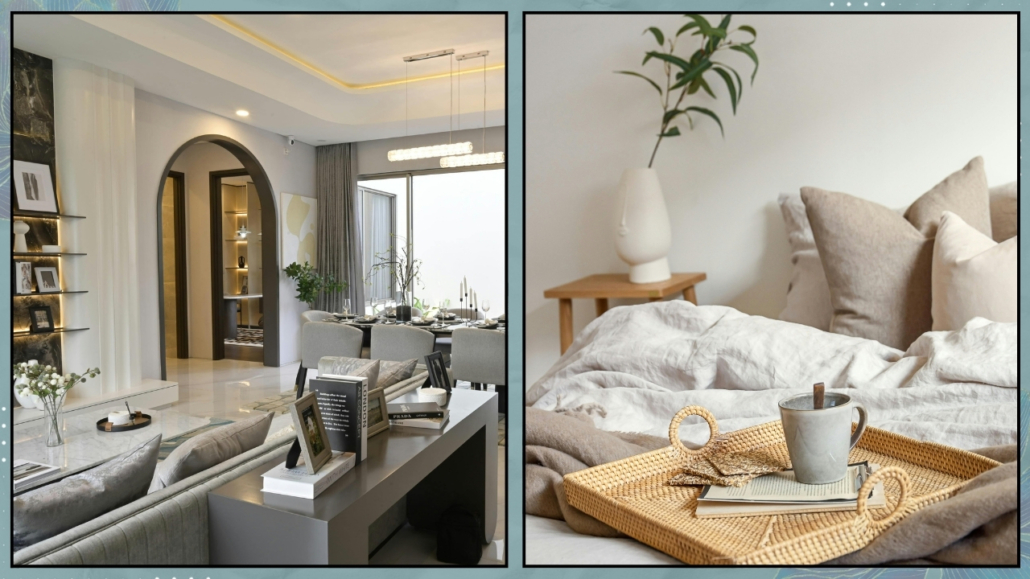
(Credits: Canva)
– A home that truly speaks about you
If you’re designing a new home or rethinking your current one, use Pinterest and Instagram as sources of inspiration, not as catalogs to copy.
Allow yourself to be curious about the images that attract you.
But also ask yourself why they attract you.
What feeling do they evoke?
Are they reflecting some need?
What part of yourself are they trying to express?
More often than not, the answers we’re looking for aren’t found in the images themselves, but in the emotions those images awaken within us.
And that’s exactly where an authentic home begins.
A home that doesn’t look like a photograph.
A home that looks like you.
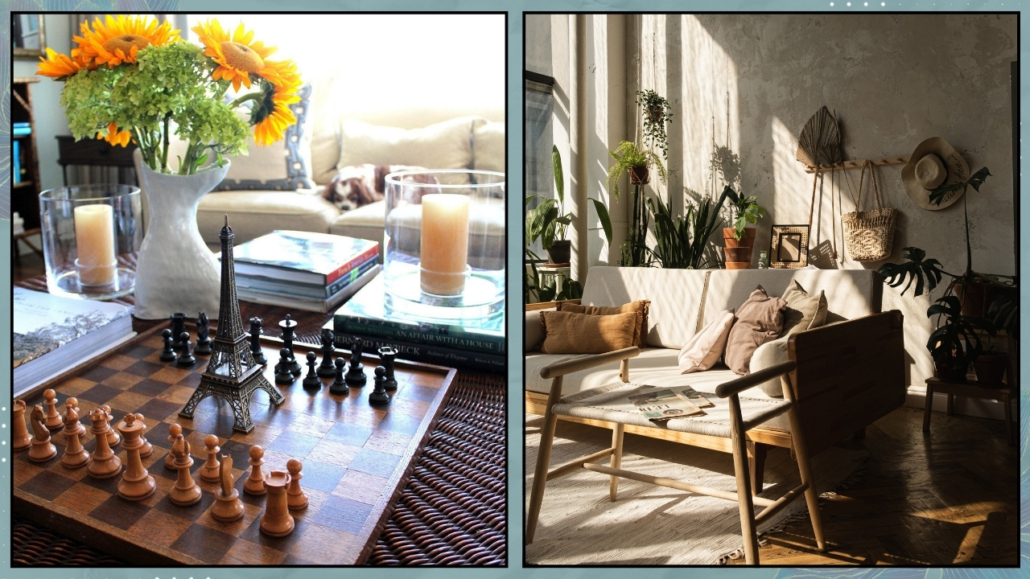
(Credits: chess-site.com; Canva)
If you’d like help looking at your home through a more conscious and meaningful lens, I’d be happy to walk that path with you.
Because feeling at home isn’t about what we show others.
It’s about the truth of what we feel when we close the door behind us.