The function of the rooms in your home is something we usually take for granted.
When we think about our home, we often start with a simple question: “What do I like?”
We seek inspiration, save images, explore colors, furniture, and styles.
We flip through magazines or scroll on Pinterest and imagine what our living room or bedroom could look like.
And yet, there is an even more important question that almost no one asks: “What does this room really need to do for me?”
Because, before style, colors, or furniture, every space has a specific purpose: to support a part of our daily life.
When we ignore this function, a common problem occurs: the house may look beautiful, but it doesn’t truly function.
Spaces become confusing, objects start to pile up, and we often feel that something is missing, even if we can’t clearly explain what it is.
Every room supports a part of your life.
The function of the rooms in your home isn’t a rigid rule or a technical definition.
It’s simply the way each space supports what you do every day.
- The living room, for example, is a space for connection.
- A bedroom is a place for rest and regeneration.
- The kitchen is the center of preparation and often of sharing.
- An entryway marks the transition between outside and inside.
When this function is clear, everything else becomes easier.
Furniture choices feel more natural.
Objects find their place.
Movement through the space becomes fluid.
When the function of the rooms in your home isn’t clear, the opposite happens.
The space fills with things but loses direction.
And very often we try to solve functional problems with aesthetic solutions, so we:
- change the wall color.
- move the furniture around.
- buy new objects.
But the problem isn’t the style.
The real issue is that the space isn’t truly supporting the life happening inside it.
A home works well when every room understands its role.
(Credits: Canva)
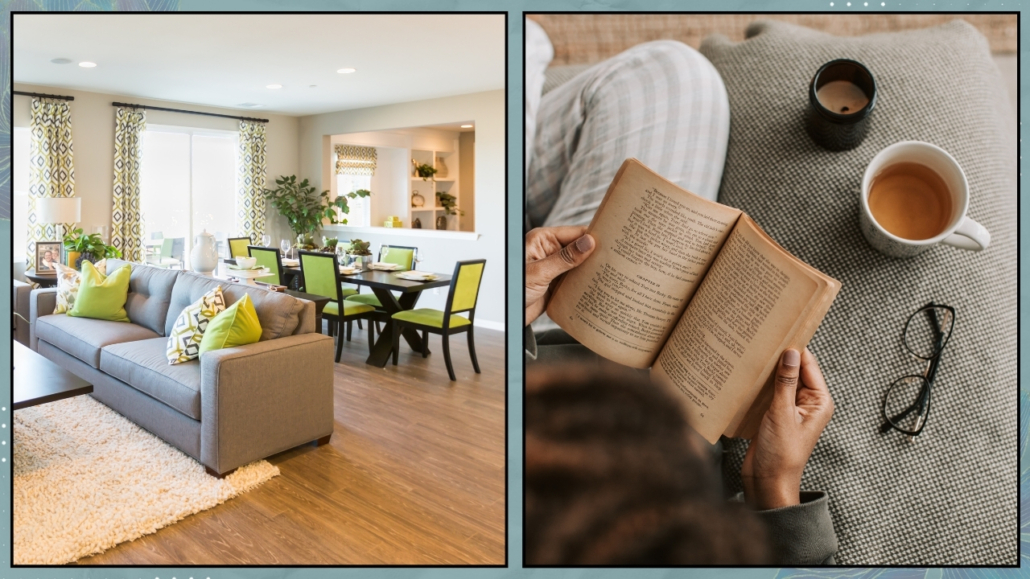
The living room is not just the TV room
In many homes, the living room revolves entirely around the television.
The sofa faces the screen, the furniture follows that logic, and the entire room ends up serving one single function: watching something.
But the function of the living room is much broader.
It is a space for meeting, talking, and sharing.
It is where we welcome others and spend much of our free time.
When we design the living room only around the TV, we reduce the room to a single function.
When we think instead about how we want to live in that room, the space changes completely.
- A small conversation area appears.
- You might add a chair for reading.
- The sofa is no longer the only focal point.
- The coffee table becomes a support instead of a storage surface.
Small changes that restore the living room’s original function: being a space for connection.
(Credits: Canva)
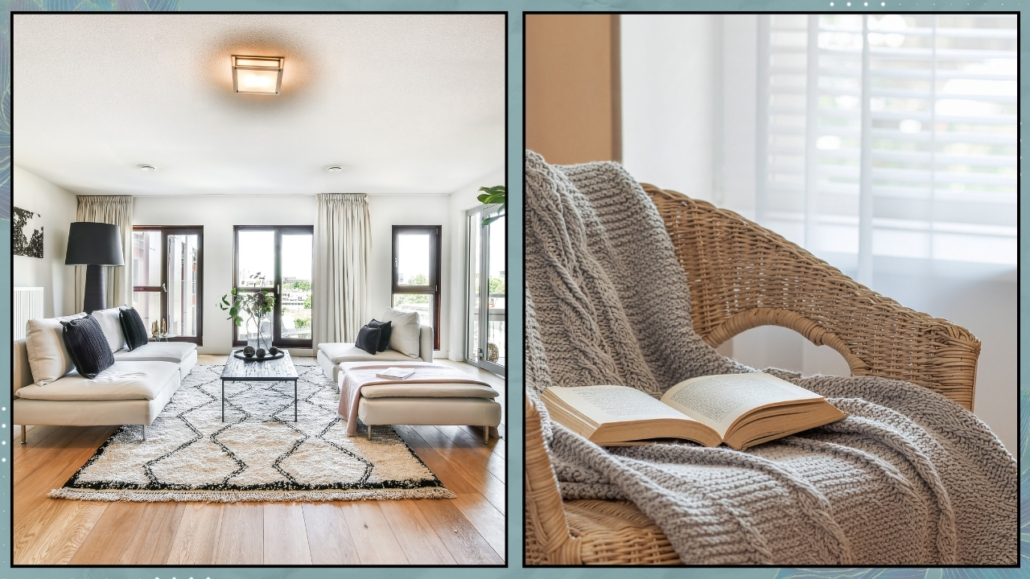
The bedroom is not just a place to sleep
The bedroom is one of the most important spaces in the home.
It is the place for rest, but also for protection and energy recovery.
And yet, it is often treated like any other room.
It becomes a storage area for objects, an extension of the living room, a space full of electronic devices, bright lights, and constant stimulation.
When the function of the bedroom becomes unclear, the quality of our sleep also changes.
The space no longer invites us to slow down.
- A chair becomes a place to pile clothes.
- The nightstand fills with unrelated objects.
- The lighting is too cold or too bright to support relaxation.
Designing a bedroom means returning to its main function: creating an environment that supports rest and regeneration.
Sometimes this means:
- Reducing the number of objects,
- Softening the lighting,
- Arranging the space in a way that makes you feel protected.
Small choices that can completely change how the space feels.
(Credits: Canva)
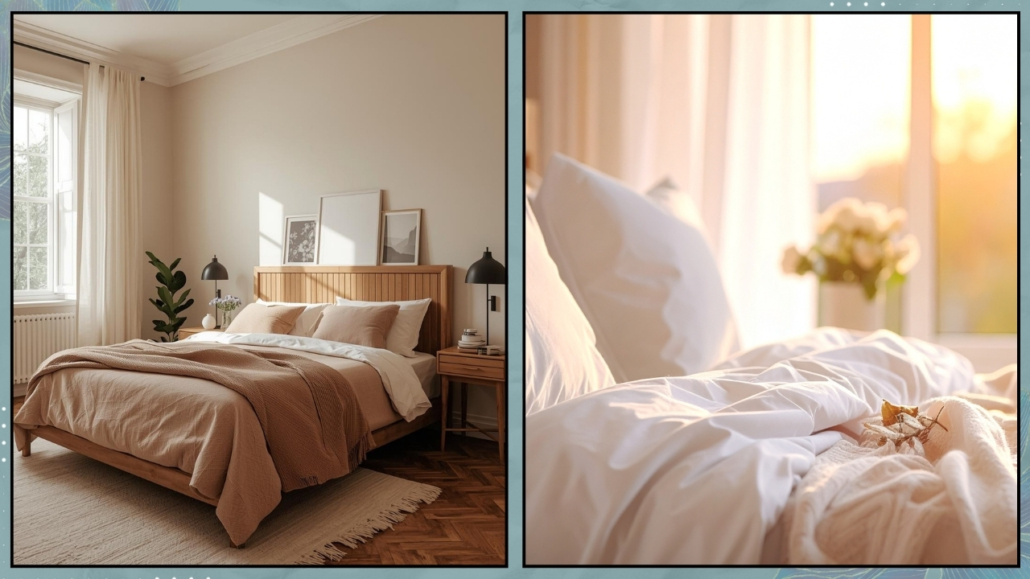
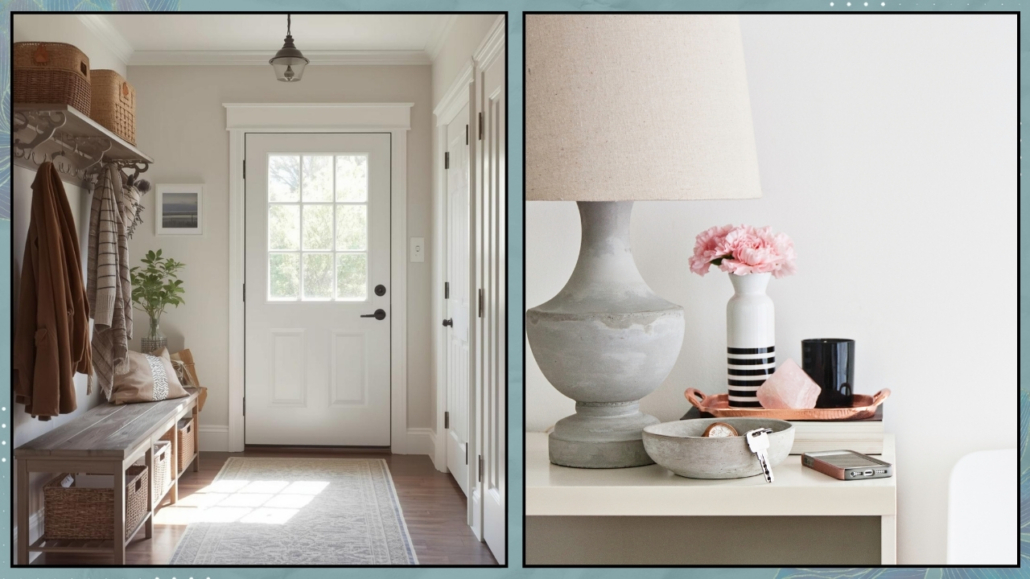
The entryway is not a parking area
Among all the rooms in a home, the entryway is probably the most underestimated.
It often becomes the place where we drop everything that comes inside with us: shoes, bags, jackets, keys.
A transitional space that almost disappears.
And yet, the entryway plays an important role in the home.
It is the space that marks the transition between outside and inside.
It is the first space we encounter when we return home and the last one we cross when we leave.
If it feels chaotic or disorganized, we enter the house already carrying a sense of disorder—or we leave with a subtle feeling of discomfort.
But when you design the entryway with care, even with something as simple as a small surface and soft lighting, it becomes a welcoming gesture or a gentle caress that accompanies you as you leave.
It does not require a large space or complex solutions.
It simply requires restoring the function of this area: guiding the transition and offering a welcome or a “catch you later”.
(Credits: Canva)
When the function is clear, the home becomes simpler
Many decorating problems start right here.
We seek aesthetic solutions in spaces that actually lack a clear function.
We change furniture, colors, and objects.
But the real question is often much simpler: does this room really serve its purpose?
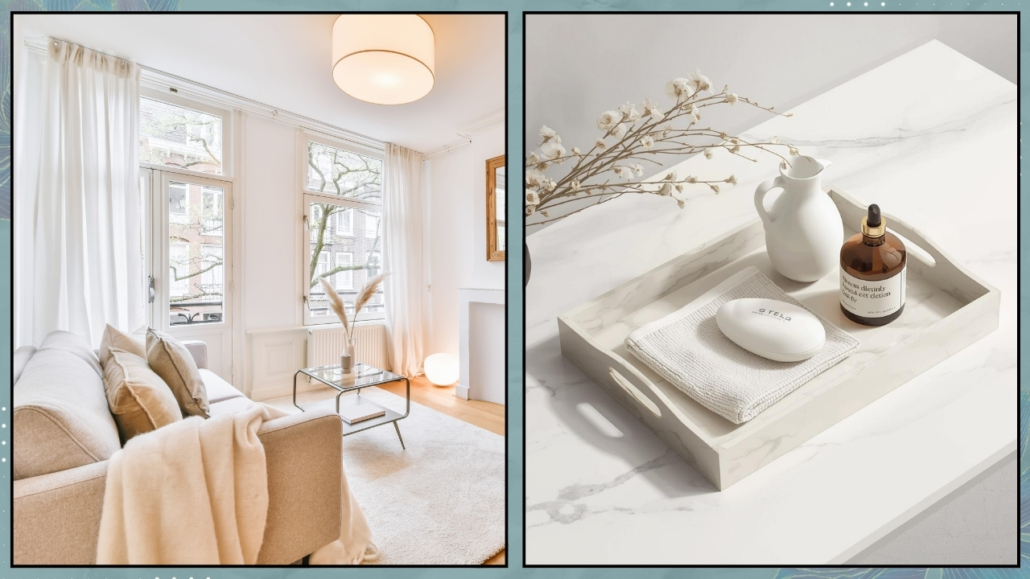
When the function of the rooms in your home is clear:
- Spaces become easier to understand.
- Rooms feel more coherent.
- Objects stop accumulating.
- Movement becomes natural.
- The home begins to function like a system.
And when a home works well, the way we live in it changes, too.
(Credits: Canva)
Function comes before decoration
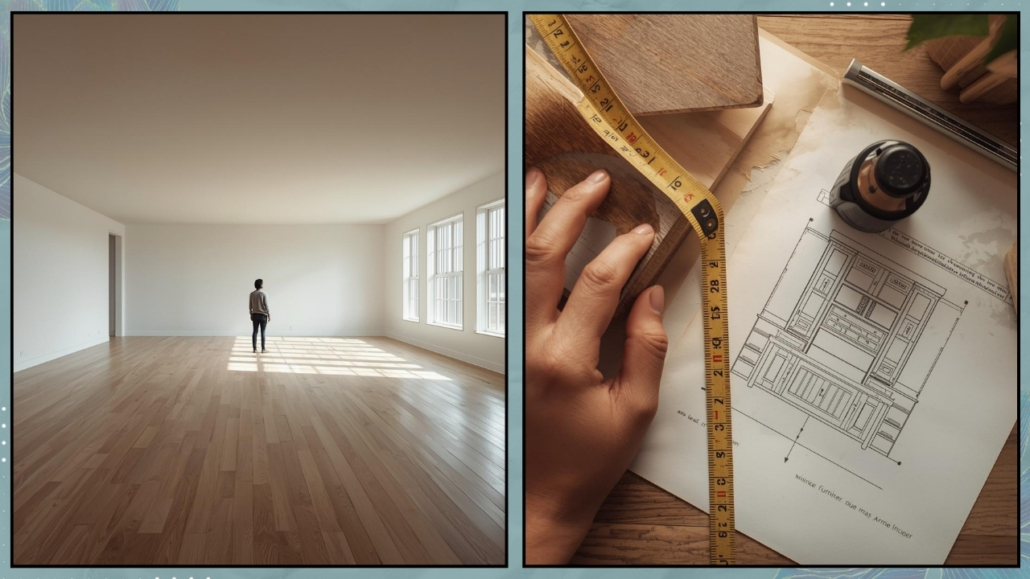
Designing a home doesn’t mean filling spaces.
It means understanding how you want to live in them.
The function of the rooms in your home is the foundation for everything else: layout, furniture, materials, and atmosphere.
When you start from here, even aesthetic choices become more natural and long-lasting.
Because you’re not following a trend.
You’re creating a space that works for you.
(Credits: Canva)
And if something doesn’t feel right…
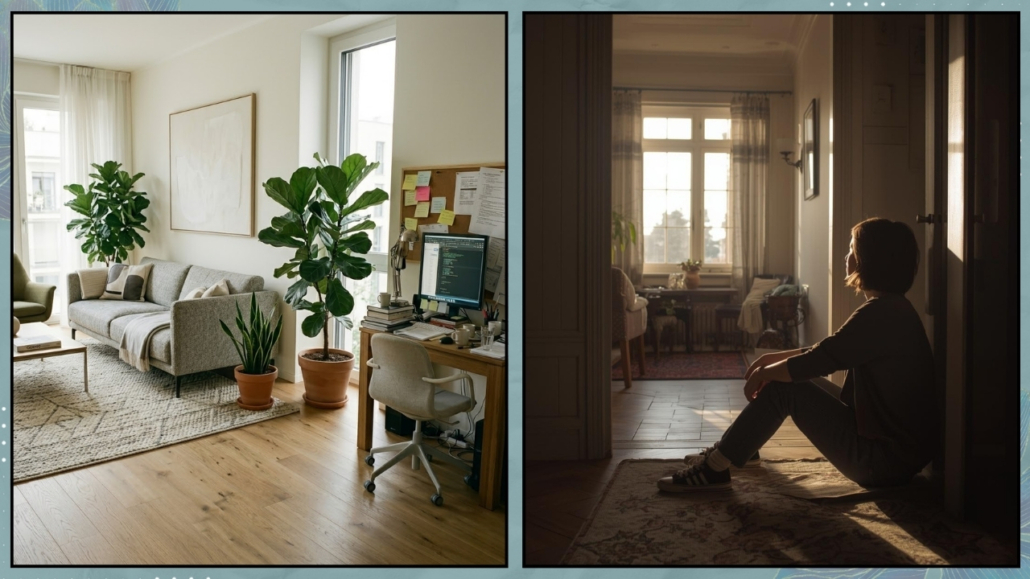
If you feel that a room doesn’t truly work—even if it looks well decorated—the reason is often simple: the function of that space was never clearly defined.
Sometimes all it takes is pausing for a moment and looking at your home with fresh eyes.
Ask yourself a simple question: “What does this room truly need to do in my daily life?”
This question can completely change the way you look at your spaces.
Because a home isn’t just a collection of rooms to decorate.
It’s a living system that accompanies you every day.
And when the function of the rooms becomes clear again, the home stops asking for your energy and starts giving it back.
(Credits: Gemini; Canva)
If you feel that your spaces could support you better, but you don’t know where to start, remember that you don’t need to change everything.
Sometimes it’s enough to bring the function of the rooms in your home back to the center.
And if you’d like, we can do that together, write me here.